REVIEW · BARCELONA
Barcelona Market Food Tour, Local & Artisanal Tastings
Book on GetYourGuide →Operated by FOOD LOVER TOUR · Bookable on GetYourGuide
A Barcelona food tour lives or dies by its food stops—and this one starts in the market. You’ll try Catalan specialties with 10–12 tapas servings, meet the people selling them, and hear why these foods matter here. One thing to consider: there’s a strong fish presence tied to the bacallaneria stop, so if you don’t eat fish, the selection may feel tighter.
I like the practical angle: this is built around how you actually shop and eat in Barcelona markets. You get a guide, a small group (up to 8), and tastes that come with context, not just samples. The possible drawback is that if the group doesn’t fill, the tour can get canceled—so keep your schedule flexible.
What you get in 2.5 hours is a focused sampler of Catalonia’s everyday flavors, plus drinks like vermouth and wine. The pacing is meant to keep you moving through stalls while you learn what to look for, which is exactly how locals experience this kind of market day. Go hungry, because you’ll likely leave satisfied and a bit obsessed with cured meat.
In This Review
- Key things to know before you go
- Why 2.5 Hours in a Barcelona Market Feels Like Real Local Time
- Meeting Point on Calle Mallorca: Finding Your Group Without Stress
- The Bacallaneria Stop: Salted Cod Traditions and Esqueixada
- Family-Run Catalan Ham: How to Understand Cured Meat Without Becoming a Critic
- How the Market Tastings Build a Full Meal (10–12 Tapas)
- Drinks Included: Vermouth and Wine Without the Guesswork
- What Your Guide Helps You Notice (So You Can Shop Better Later)
- Pacing and Group Size: Why Up to 8 People Matters in a Market
- If You Don’t Eat Fish: Plan for a Different Experience
- Value Check: Is $77 Worth It for What You Actually Get?
- The Mild Downside: Possible Cancellation If the Tour Doesn’t Fill
- Who Should Book This Tour (and Who Might Not)
- Should You Book the Barcelona Market Food Tour?
- FAQ
- How long is the Barcelona Market Food Tour?
- How much does the tour cost?
- What’s included in the tastings?
- Are drinks included?
- What is the meeting point?
- What languages is the live guide?
- How large is the group?
- Is the tour wheelchair accessible?
- Can I reserve without paying right away?
- What should I know about additional food orders?
Key things to know before you go
- Small group size (8 max) makes it easier to ask questions at the stalls
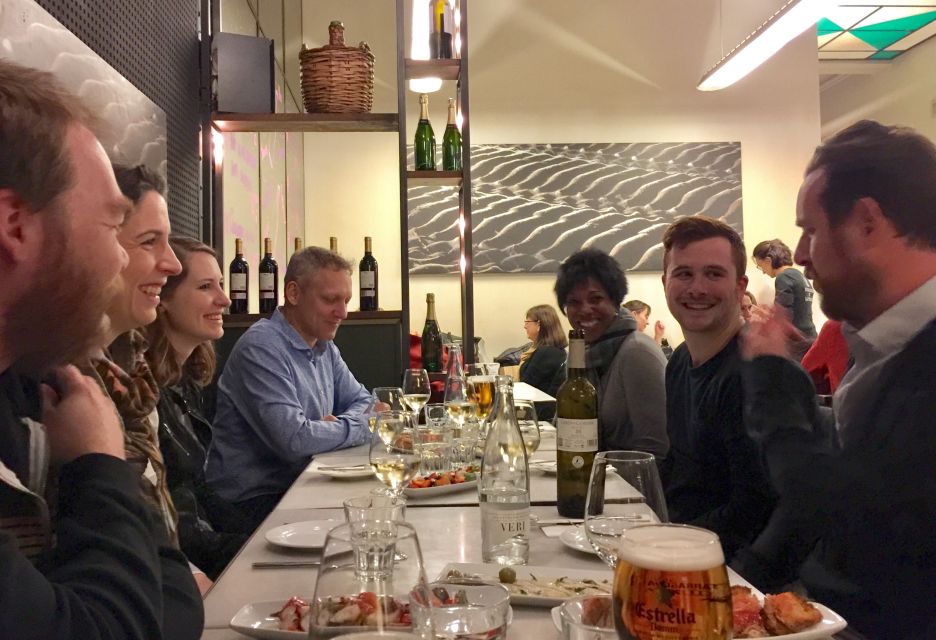
- 10–12 tapas servings means you’ll eat enough for a real meal, not just nibbles
- Bacallaneria stop + esqueixada connects Catalan food culture to salted fish traditions
- Family-run Catalan ham stall gives you a hands-on look at cured-meat craft
- Vendors share generational know-how, so you get stories with your bites
Why 2.5 Hours in a Barcelona Market Feels Like Real Local Time
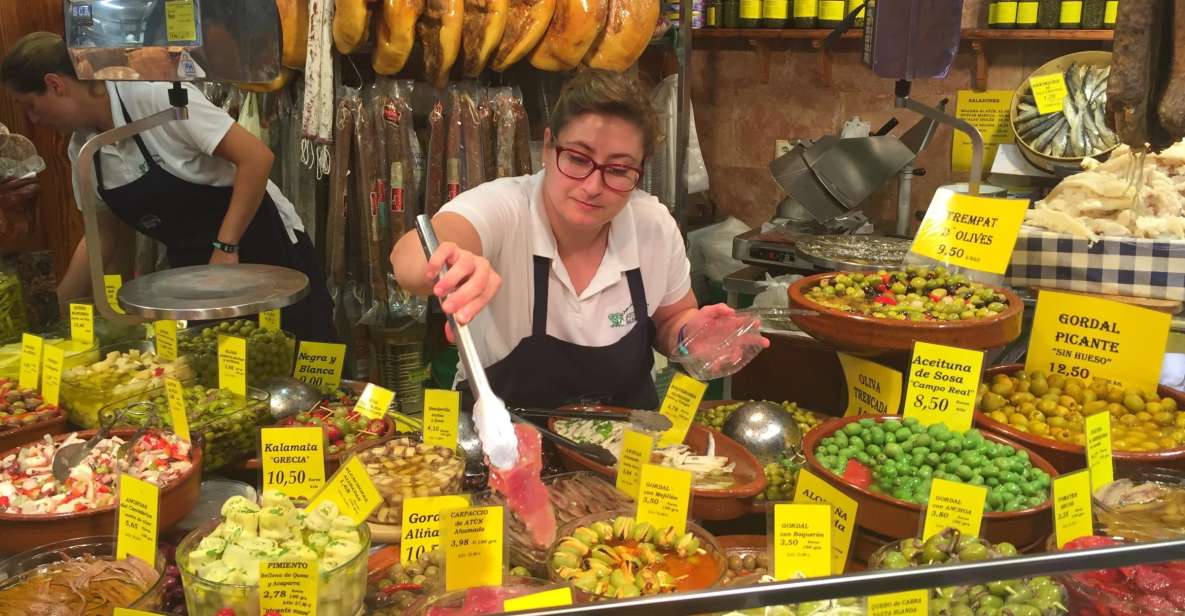
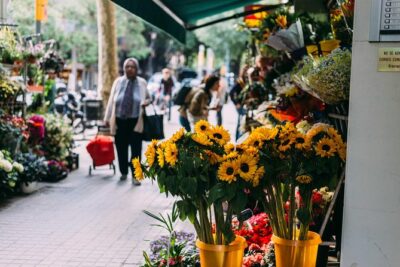
Barcelona food is not a museum. It’s something people buy daily, eat casually, and argue about gently with their neighbors while weighing options at the stall. This tour’s strength is that it stays close to that reality by focusing on a local market environment rather than bouncing around for “views and photos.”
In 2.5 hours, you move at a pace that lets the tastings make sense. You start with market cues—seasonal produce, cured foods, and baked items—and then you connect them to what you’re tasting. If you’re only in Barcelona for a short visit, this format is a high-efficiency way to get the city’s food logic fast.
It also helps that the guide is bilingual (Spanish and English). That matters because market jargon can get lost in translation, and here you’re meant to understand what you’re looking at, not just swallow the sample and hope.
You can also read our reviews of more food & drink experiences in Barcelona

Meeting Point on Calle Mallorca: Finding Your Group Without Stress
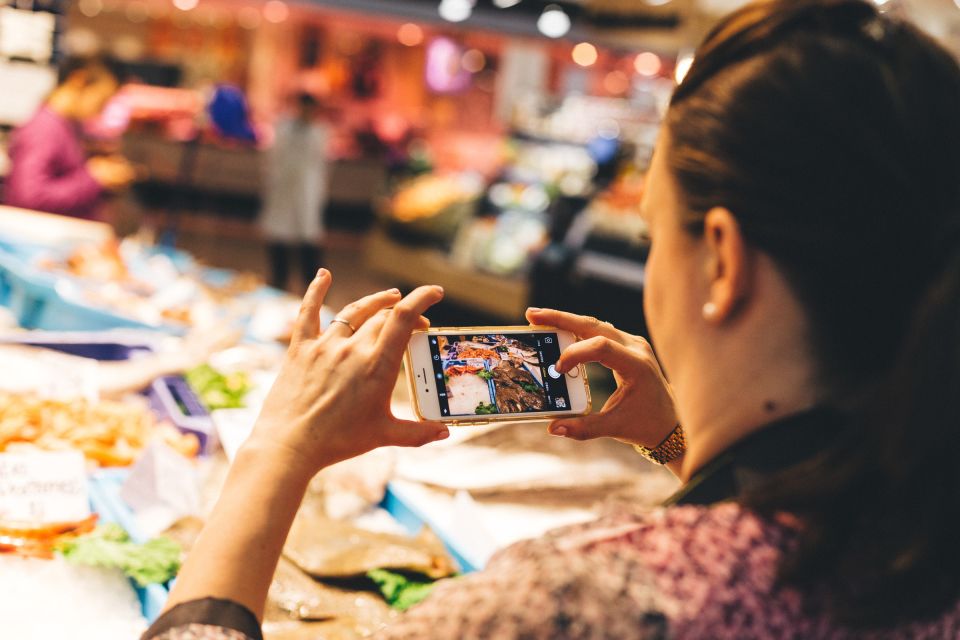
You’ll meet in front of 133 Calle Mallorca. That’s specific enough to find quickly, as long as you build in a few extra minutes for lining up before the tour starts.
Bring comfortable walking shoes. Even if you’re not doing a long-distance walk, market walking still adds up—especially when you’re stopping to eat and listen. If you tend to get cold or hungry easily, also consider a light layer and save room for the big bites later.
Because it’s a small group, arriving on time helps the whole flow. If you’re late, you might miss the first tastings and the guide’s opening context.
The Bacallaneria Stop: Salted Cod Traditions and Esqueixada
One of the most memorable parts is the visit to a legendary bacallaneria. This is the kind of shop that exists because salted cod is a major player in Catalan and Spanish pantry life. In other words, it’s not a random tourist fish stop—it’s tied to local preservation, seasonality, and everyday cooking.
You’ll also taste an artisanal Mediterranean esqueixada. This dish typically leans on salted cod paired with flavors that cut through the salt—bright, fresh elements that make the whole thing feel less heavy than you might expect. It’s a smart tasting choice because it shows how locals transform preserved fish into something lively.
If you eat fish, this stop can be a highlight. If you don’t, plan for limited options. At least one non-fish eater found the tastings reduced, so it’s wise to speak up early and be ready with a backup plan for what you’ll eat afterward.
Family-Run Catalan Ham: How to Understand Cured Meat Without Becoming a Critic
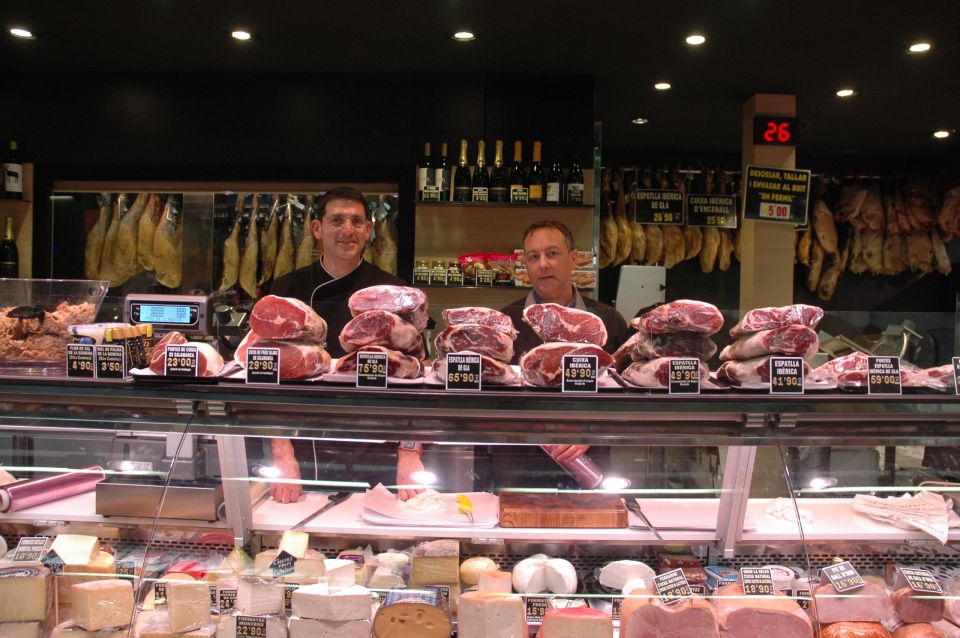
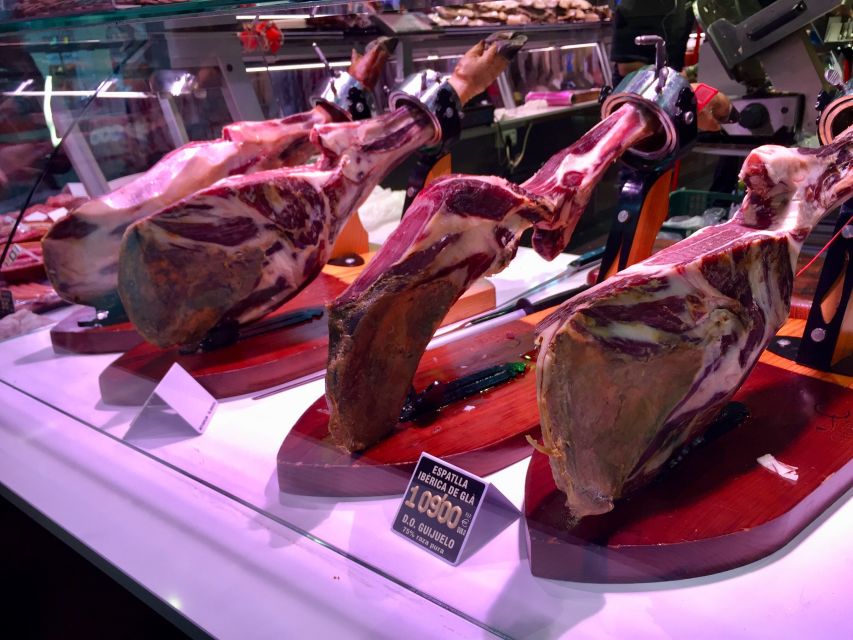
Another standout is the family-run stall focused on Catalan ham. Cured meat is one of those foods that sounds simple until you’re staring at a wall of options and trying to guess what matters. This stop is designed to make that selection feel understandable.
You’ll taste Catalan ham as part of the tapas servings, and the context from the vendors is the point. You’re learning what makes different cuts and curing approaches desirable, and how locals think about quality. That knowledge transfers to your own shopping later, even if you only plan to buy one small pack to bring home.
This is also where you’ll feel the generational angle. The tour highlights that market traditions are passed down through generations of vendors, and that idea isn’t just a nice story. It’s part of why the food tastes consistent: practices get refined at the stall, not copied from a cookbook.
How the Market Tastings Build a Full Meal (10–12 Tapas)
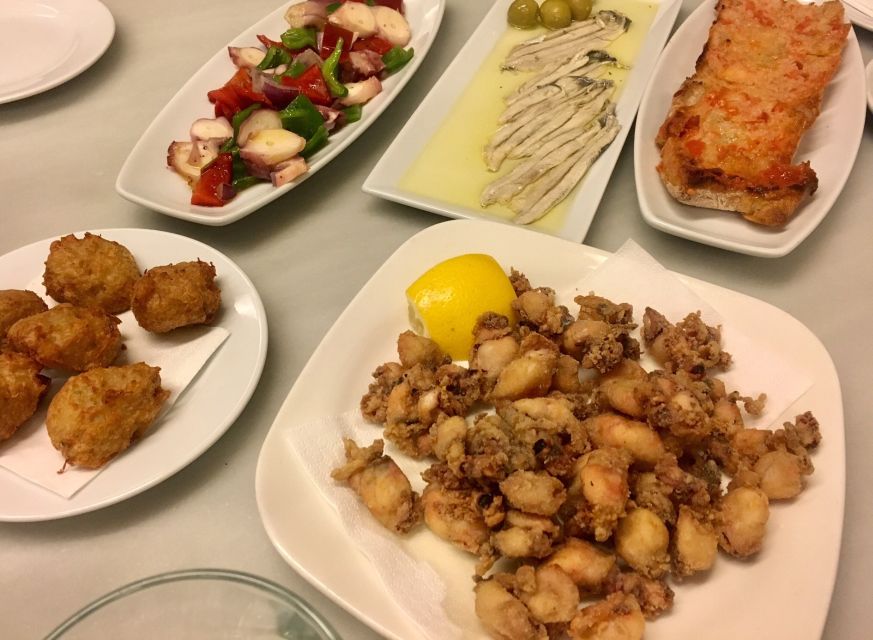
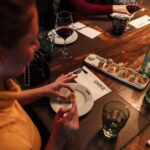
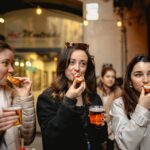
The tour is not a “one bite each” situation. It includes 10–12 tapas servings, plus fresh drinks like vermouth and wine, with water available. That combination is why the tour is such good value: you’re sampling multiple categories—cured meats, cheeses, olives, baked items—and not just chasing one favorite flavor.
Here’s how you can think about the flow. Early tastings help you understand the market’s main lanes—salted and cured foods, dairy, and olives—then you broaden into other regional bites such as freshly baked goods. By the time the tour finishes, you’re not just tasting; you’re building a little mental map of what Barcelona considers normal.
The drinks are also part of the pairing logic. Vermouth is often a pre-dinner drink, and on a market route it works like a flavorful on-ramp. Wine (red and white) then fits naturally with cured and cheese-forward tastings. If you’re sensitive to alcohol or you want to stay sharp for walking, use the water and pace yourself—this is an eating experience, not a speedrun.
You can also read our reviews of more tours and experiences in Barcelona

Drinks Included: Vermouth and Wine Without the Guesswork
It’s always worth checking what’s actually included, and here you get a real mix: vermouth, white wine, red wine, and water. That means you’re not stuck ordering separately just to enjoy the traditional Barcelona vibe.
Practically, this also affects your decision-making during the tasting. You’ll likely want to switch between bites and sips so nothing gets too heavy. Vermouth plus salty foods can be a great combo, but cured meats and cheese add up fast—so treat this like a proper meal with breaks, not a casual snack.
If you’re used to doing wine tastings, you’ll recognize the structure. If you’re not, don’t worry. The guide’s job is to keep the pace friendly while explaining what you’re sampling.
What Your Guide Helps You Notice (So You Can Shop Better Later)
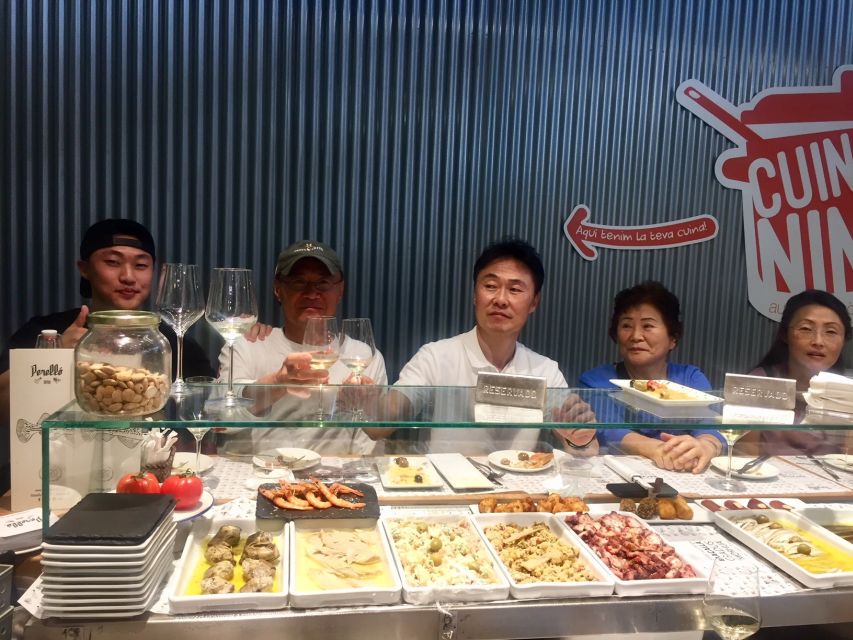
A big reason food tours can disappoint is when they act like tasting is the whole product. This one tries to teach you how locals eat and shop, which changes the experience from entertainment into something useful.
As you move through the market, you’ll get guidance on what to look for in the stalls and how Barcelona residents choose ingredients. That can mean learning what quality looks like in cured foods, how vendors present seasonal items, or what makes one selection preferable to another.
You’ll also get the “why” behind the food, not just the “what.” The tour connects the tastings to cultural history and market heritage—passed down through generations—so you understand that these foods aren’t random specialties. They’re part of daily life here.
Pacing and Group Size: Why Up to 8 People Matters in a Market
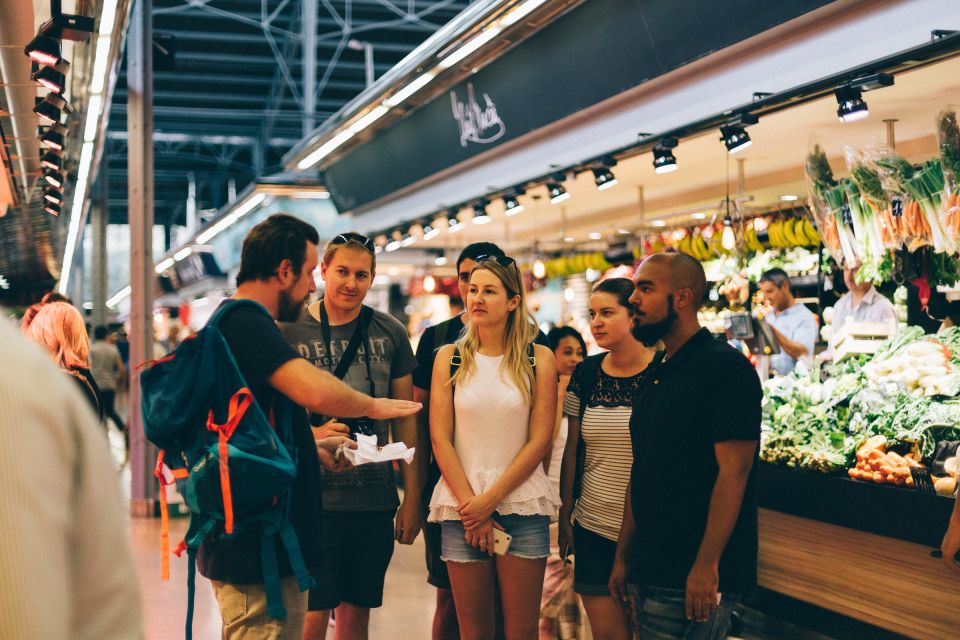
With a maximum of 8 participants, you’re not getting swallowed by a large crowd. In a busy market setting, that small group size is huge for two reasons: you can hear the guide more easily, and you have more room to ask questions at each stall.
It also keeps the tour from turning into a rushed line. Market tastings need a bit of time. Even if each stop is short, you want moments to compare flavors and understand what you’re being told. A larger group tends to cut that part out.
The result is a tour that feels more like a shared local food walk than a conveyor belt of samples.
If You Don’t Eat Fish: Plan for a Different Experience
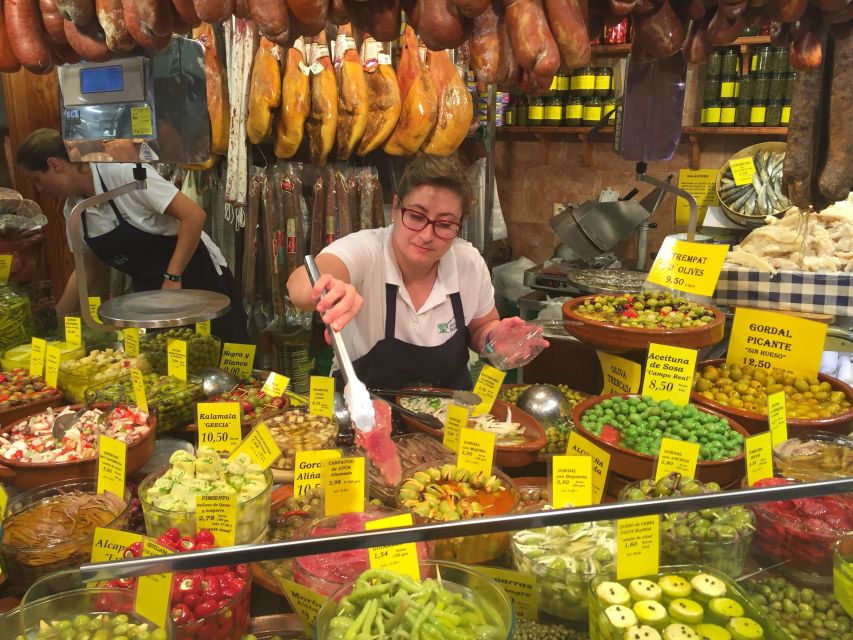
There’s a clear fish connection on this route. Between the bacallaneria visit and the esqueixada tasting, fish is part of the signature arc.
One non-fish eater found the tastings felt limited. That doesn’t mean the tour is impossible for you, but it does mean you should manage expectations and communicate your preference at the start. If you need strictly fish-free food, you might want to plan a solid meal afterward so you don’t feel short-changed.
If you eat fish but dislike one style, still tell your guide. Market tastings can be specific, and a good guide can sometimes adjust within the structure of included servings.
Value Check: Is $77 Worth It for What You Actually Get?
Price is $77 per person for a 2.5-hour guided market experience. On paper, that can sound like “just food,” but what you’re buying is a guided, structured tasting with multiple categories, drinks, and access to vendor stories.
Here’s the value logic that makes this work:
- 10–12 tapas servings are built in, so you’re not paying extra for each stop
- Vermouth and wine are included, which can be a meaningful add-on cost if you were paying separately
- Small group size (8 max) keeps the experience personal, and market guides don’t come cheap
- The guide is active for the whole window, helping you understand what you’re eating and what matters
Also, the tour saves you time. If you try to do this on your own, you’ll spend your first hour just figuring out where to go and what to order. This tour compresses that learning curve into a single afternoon.
The Mild Downside: Possible Cancellation If the Tour Doesn’t Fill
One practical risk with any small-group food tour is that it needs registrations to run. If you’re traveling during peak season or on tight timelines, build in flexibility. You can’t control whether the schedule holds, but you can control how much you depend on this single plan.
If this tour is a must-do, consider booking it earlier in your trip and leaving room on another day for an alternative food plan.
Who Should Book This Tour (and Who Might Not)
This is a great fit if you want:
- A market-centered Barcelona experience
- Multiple tastings across cured meats, cheeses, olives, and baked items
- Stories from the people behind the food, especially in stalls tied to tradition
- A guide-led way to learn what to look for so you can shop better later
It may be less ideal if you want:
- A strictly fish-free menu (the bacallaneria and esqueixada indicate fish may be central)
- A mostly light, dessert-only tour (this is a real meal with tapas and drinks)
If you love food markets and want your Barcelona trip to taste like Barcelona, this tour fits your style.
Should You Book the Barcelona Market Food Tour?
I’d book it if you’re excited by cured foods, cheeses, olives, and the idea of tasting through a market with a guide who explains the choices. The combination of 10–12 tapas servings, included drinks, and a small group gives you strong value for the time.
I’d think twice if fish avoidance is non-negotiable for you or if you can’t handle the chance of cancellation due to the tour not filling. If that describes you, message the operator in advance and have a backup dinner plan ready.
FAQ
How long is the Barcelona Market Food Tour?
It lasts 2.5 hours.
How much does the tour cost?
The price is $77 per person.
What’s included in the tastings?
You get 10–12 tapas servings.
Are drinks included?
Yes. Fresh drinks included are vermouth, white wine, red wine, and water.
What is the meeting point?
Meet in front of 133 Calle Mallorca street.
What languages is the live guide?
The tour offers Spanish and English live guiding.
How large is the group?
The group is limited to 8 participants.
Is the tour wheelchair accessible?
Yes, it is wheelchair accessible.
Can I reserve without paying right away?
Yes, there is a reserve now & pay later option.
What should I know about additional food orders?
Additional orders are not included and should be paid separately.