REVIEW · BARCELONA
Barcelona: Jewish Tour by a Jewish guide
Book on GetYourGuide →Operated by The best of Barcelona · Bookable on GetYourGuide
Jewish Barcelona is hiding in plain sight. This 2-hour Jewish heritage walk turns the Gothic Quarter into a story you can actually follow, with stops tied to the old Jewish quarter and small clues like Hebrew inscriptions in surprising places. It is the kind of tour where the streets feel ordinary, then suddenly they don’t.
What I like most is that you get both big landmarks and the small stuff you would miss on your own. The house of the Rashba and a synagogue considered one of the oldest in the world give the tour real weight, while the guided pace helps you notice details like Hebrew marks and “how can this be here?” remnants. One consideration: entry to the synagogue museum is not included, so if you want that extra stop, plan for it.
Finally, this is a private, 2-hour walk starting at Plaça de Sant Jaume, so it moves. That is great for seeing a lot without burning your whole morning, but if you like to linger for photos and questions, you’ll want to ask early and often.
In This Review
- Key Highlights You Will Actually Feel
- Starting at Plaça de Sant Jaume: Where the Story Begins
- Gothic Quarter Walk: City Hall, Roman Corners, and Hebrew Clues
- The House of the Rashba: A Landmark With Real Gravitas
- Synagogue Visit: One of the Oldest, Plus a Museum Choice
- Old Mikve: Why Ritual Space Changes How You See the Neighborhood
- Why the Guide Matters More Than You Think in This Area
- Price and Value: Is $68 a Good Deal for a 2-Hour Private Walk?
- Who Should Book This Tour (and Who Might Skip It)
- Should You Book This Barcelona Jewish Quarter Tour?
- FAQ
- How long is the Barcelona Jewish Tour?
- Where does the tour start?
- What does the tour include?
- What is not included?
- Which languages are offered?
- Is this tour private?
- Is the tour wheelchair accessible?
- What sites will I see?
- What is the cancellation policy?
Key Highlights You Will Actually Feel
- A Jewish guide with language support in English, Hebrew, and Spanish
- House of the Rashba and a synagogue described as among the oldest in the world
- Old mikve visit, adding a ritual angle beyond architecture
- Hebrew inscriptions and other “wait, what is that?” details tucked into the area
- Small, private group feel, plus a tour style that keeps it personal
Starting at Plaça de Sant Jaume: Where the Story Begins
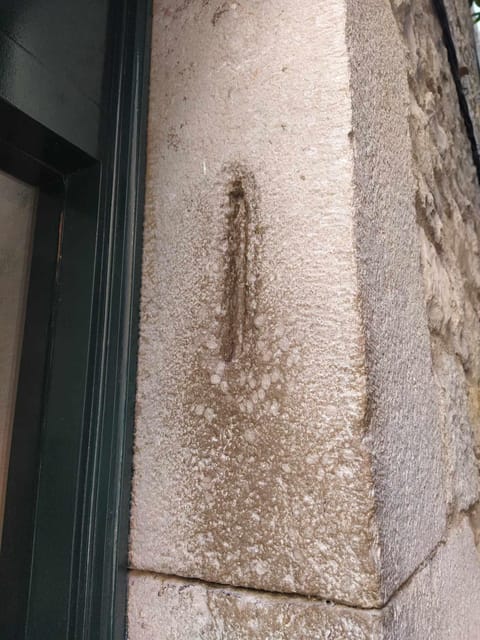
The meeting point is simple: the guide waits outside Starbucks at Plaça de Sant Jaume. It’s a smart place to start because you’re instantly in the oldest, most walkable web of central Barcelona, where the Gothic Quarter begins to feel like a maze rather than a grid.
You start with a brief orientation at the square and then head into the old city on foot. That first stretch matters. A good guide does not just point out buildings. They teach you how to look: where to stand, which angles reveal clues, and when a street corner is more than a street corner.
Also, this tour is designed for a private group, so you’re not fighting for attention. In the descriptions and guide feedback that are consistently mentioned, the guides like Adi (and also Dina or Monica, depending on the date) are described as friendly, energetic, and willing to answer questions without making you feel rushed.
You can also read our reviews of more guided tours in Barcelona

Gothic Quarter Walk: City Hall, Roman Corners, and Hebrew Clues
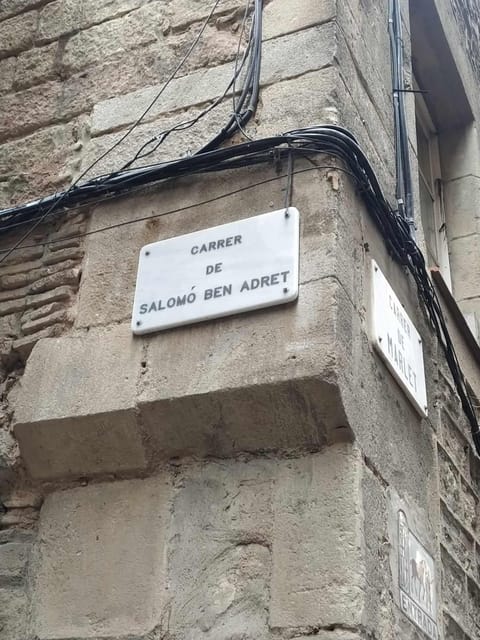
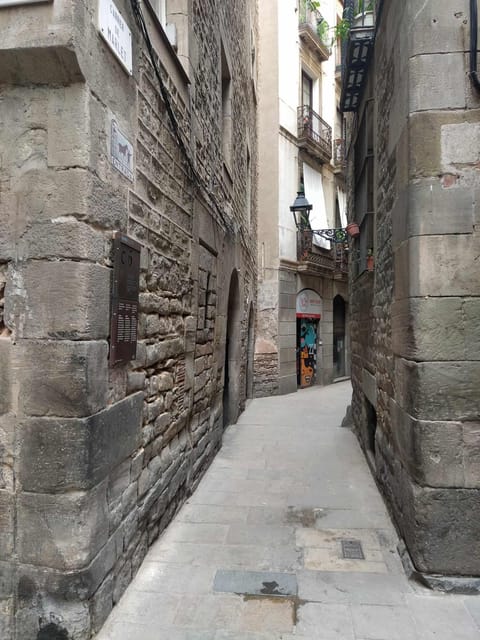
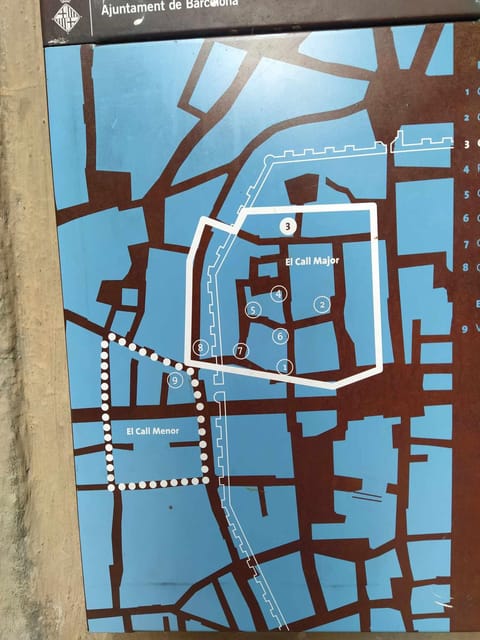
Once you’re moving through the Gothic Quarter, the tour shifts from “where are we” to “why is this here.” You spend about an hour in this main zone, and the highlights are the kinds of details that usually slip by.
You will see the City Hall area and a Roman temple. That might sound like a random mix until your guide connects the dots. Barcelona layers cultures over time, and this walk is built to show how the Jewish presence fits into that older timeline—without turning the whole thing into a textbook.
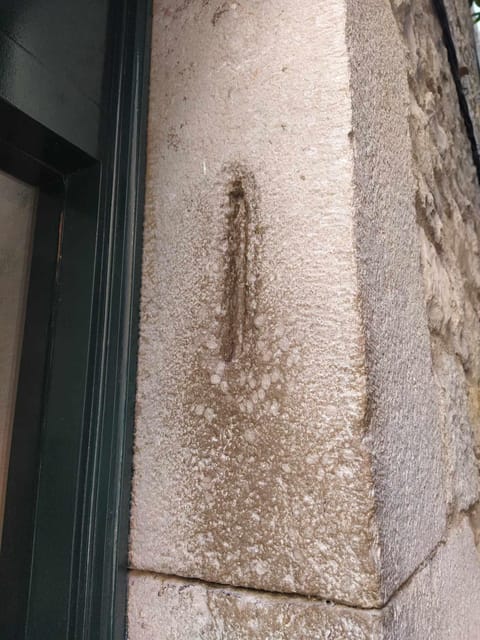
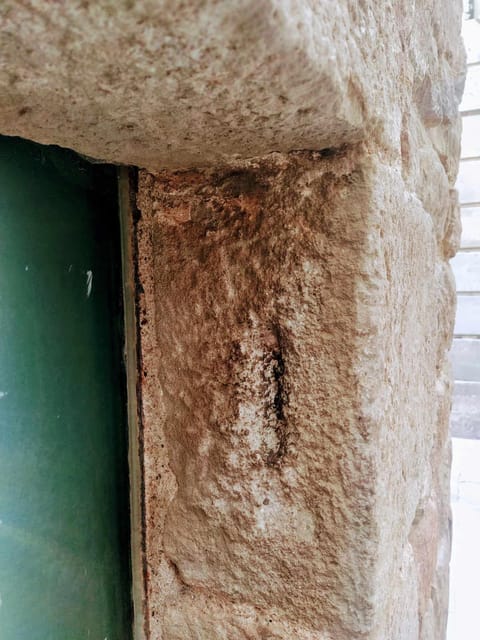
Then comes one of the most satisfying parts: you’re hunting for Hebrew inscriptions and other signs of Jewish life in places that do not scream history. A lot of the emotional impact of this tour comes from that contrast. You go from modern-looking street surfaces to small marks that hint at earlier communities. It is a reminder that history doesn’t always survive as a neat museum display. Sometimes it survives as a detail you have to learn to notice.
One small practical note: because you are walking and reading streets like a map, wear shoes you can trust. This is not a stop-every-30-seconds sightseeing bus tour.
The House of the Rashba: A Landmark With Real Gravitas
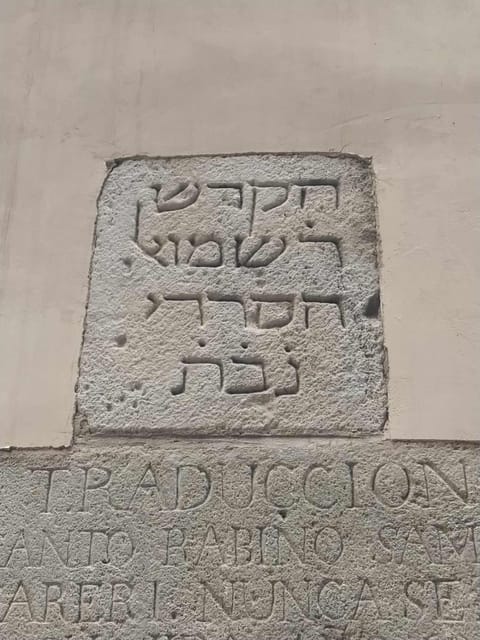
The house of the Rashba is one of the anchors of the experience. Even if you’re not a specialist, your guide frames why this matters in Barcelona’s Jewish story. You are not just seeing a building. You’re seeing how scholarship, community life, and the city’s shifting history can leave traces behind—even when the visible remains are limited.
This is where a Jewish guide adds extra value. You’re more likely to get context that links the site to Jewish traditions, historical realities, and how communities functioned. The result is that the site feels like a chapter, not a plaque.
In terms of pacing, this stop fits naturally into the flow of the walk. It helps that the tour is built as a guided path through the old Jewish quarter rather than a series of unrelated photo stops.
Synagogue Visit: One of the Oldest, Plus a Museum Choice
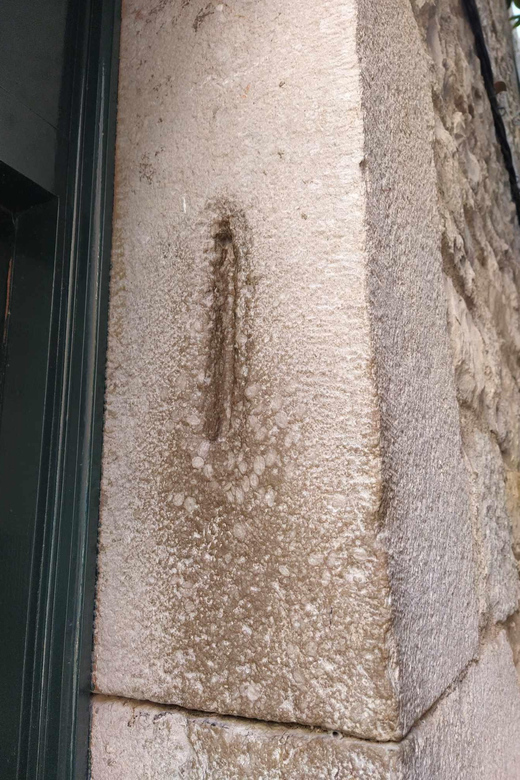
You will visit a synagogue that’s considered one of the oldest in the world. That is a big claim, and the tour approach matches it: your guide gives the setting so you understand what you are looking at and why it matters.
One key consideration: entrance to the synagogue museum is not included. So you have two different ways to think about your time:
- If you just want the core synagogue visit, you can keep the tour simple.
- If you want the museum portion, you should budget extra time and money.
If you are the type who likes to connect architecture to everyday life, this synagogue stop will likely land well. If you prefer only exterior photo-worthy sites, know that the value here is in guided meaning, not just scenery.
Also, this area can feel emotionally heavy depending on how your guide frames the history. The good news: the guides are described as bringing a human tone and even finding some optimism in difficult material. That can make the tour more balanced than the purely tragic version of European Jewish history that some tours unintentionally lean toward.
Old Mikve: Why Ritual Space Changes How You See the Neighborhood
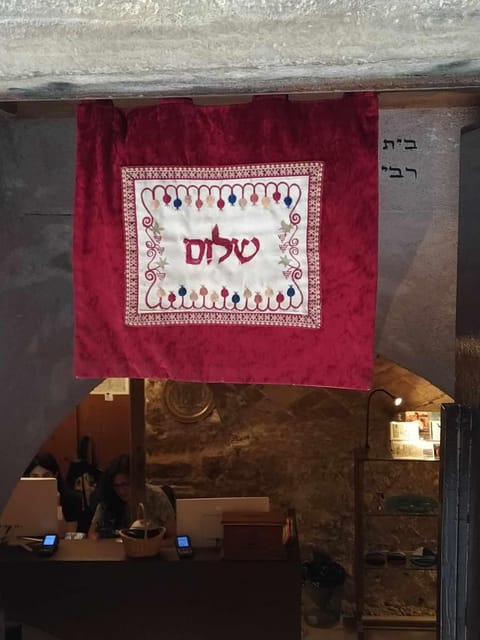
Then you reach the old mikve, a major highlight. A mikve is a ritual immersion bath, and seeing one in the context of an old neighborhood does something that a list of facts never can. It gives the tour a practical, lived-in feeling. This is not just about where synagogues stood. It is about daily religious life and how community members practiced tradition.
You also get a short break/visit segment before you head back toward the starting square. That’s helpful because the most meaningful part of this walk is absorbing details. A quick pause gives you a chance to reset before the final stretch.
If you’re wondering whether it is worth it, think of the mikve as the tour’s reality check. It takes you from historical references into lived ritual. Even if the physical remains are limited, the guide’s framing makes the space feel purposeful.



Why the Guide Matters More Than You Think in This Area
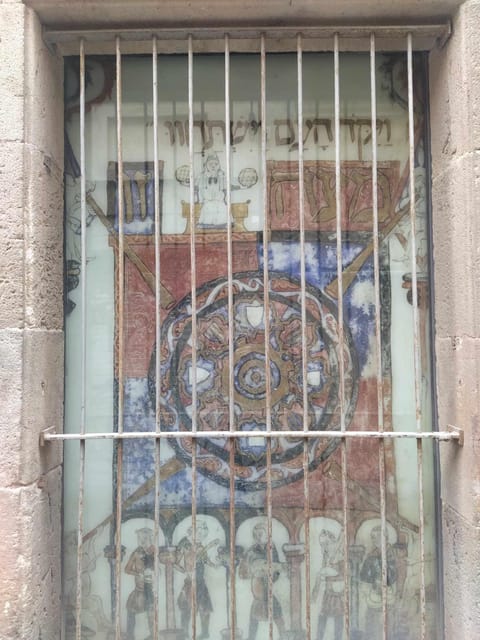
Barcelona’s Jewish quarter is not a theme park with easy, labeled stops on every corner. Many of the most important pieces are subtle. That is exactly why choosing a Jewish guide makes such a difference.
In the guide feedback and style described, a few traits show up again and again:
- The guides point out corners and details you would otherwise walk right past.
- The tour is interactive, with room for questions.
- The guide’s sense of humor helps keep the tone from becoming overwhelming.
Adi is frequently named as an outstanding guide, and Dina and Monica are also mentioned positively. What stands out is that the tour is described as personal rather than generic. One group might get more context, another might want more on street-level clues. The best part is that the tour doesn’t treat everyone like a passive audience.
If you want the tour to work for you, come with at least one question in mind. Examples: How did Jewish life shape this neighborhood? What kinds of traces survive in a city like Barcelona? Why do Hebrew inscriptions matter if they are not explained on a sign?
Price and Value: Is $68 a Good Deal for a 2-Hour Private Walk?
$68 per person for a 2-hour private tour is usually a fair price when you look at what is included: a professional private guide, plus a focused route through multiple historic sites tied to Jewish life. You’re paying for interpretation and access to context—especially in an area where many clues are not obvious.
What’s not included is transportation and synagogue museum entrance. If you are relying on public transit or rideshare, factor that into your total cost. If you care about the museum portion, plan that add-on too.
Where this tour feels like good value is when you compare it to trying to research on your own. You can walk the streets alone, yes. But you’ll miss the “how did you notice that?” details, and you’ll likely get less connection between sites like the Rashba house, the synagogue, the mikve, and the broader Jewish presence in the city.
For a first visit to Barcelona’s old center, I also like that the tour is short. You get a concentrated experience without locking yourself out of the rest of the day.
Who Should Book This Tour (and Who Might Skip It)
This is a great fit if you:
- Want a clear, guided way to understand the Jewish quarter and its traces
- Like local storytelling that focuses on real places, not just broad facts
- Prefer a private group format where questions are welcome
- Enjoy history that includes daily life elements like the mikve
You might consider skipping or adjusting expectations if:
- You mostly want modern, big-ticket sights and do not enjoy walking
- You expect every stop to have a preserved, museum-style display. This area is more about clues and interpretation than about a single intact Jewish landmark walking tour.
One more practical tip: check what language you want ahead of time. This tour runs in English, Hebrew, and Spanish, which is a nice bonus if you want to follow closely or share it with a friend.
Should You Book This Barcelona Jewish Quarter Tour?
Yes, if your goal is to understand Barcelona’s Jewish heritage with a guide who can explain the city’s clues in plain language. The combination of the Rashba house, a synagogue considered one of the oldest in the world, Hebrew inscriptions in unexpected spots, and the old mikve gives you a rounded view in just two hours.
If you’re on the fence, here’s my simple decision rule: book it if you like learning by walking and noticing details. Skip it if you only want landmark-style sightseeing with minimal interpretation. For most people who care about meaningful context, this tour is a strong use of time in Barcelona.
FAQ
How long is the Barcelona Jewish Tour?
It lasts 2 hours.
Where does the tour start?
The tour starts in Plaça de Sant Jaume, with the guide waiting outside of Starbucks.
What does the tour include?
It includes a professional private guide.
What is not included?
Transportation is not included, and entrance to the synagogue museum is not included.
Which languages are offered?
The live guide offers English, Hebrew, and Spanish.
Is this tour private?
Yes, it is a private group tour.
Is the tour wheelchair accessible?
Yes, it is wheelchair accessible.
What sites will I see?
You’ll see the house of the Rashba, a synagogue considered to be one of the oldest in the world, the City Hall area, a Roman temple, Hebrew inscriptions in surprising places, and the old mikve.
What is the cancellation policy?
You can cancel up to 24 hours in advance for a full refund.