REVIEW · BARCELONA
Barcelona: Gothic Quarter’s Deepest Secrets Tour and Sangria
Book on GetYourGuide →Operated by Volarte Tours · Bookable on GetYourGuide
One street can change how you see a whole city. This Gothic Quarter walk mixes medieval Barcelona with tense 20th-century stories, then ends with complimentary sangria in a classic seaside neighborhood. It’s a simple setup: follow a guide through the oldest lanes, learn why the city looks like it does, and leave with food ideas you can actually use.
What I like most is the way the guide ties landmarks to the bigger Catalan picture—history, religion, politics, and culture all show up naturally as you walk. I also love the ending: sangria with local recommendations, so you’re not stuck guessing where to go next.
One thing to consider: the cathedral is not included for entry, so you’ll mostly get exterior and sight-focused time rather than a full-ticket visit inside.
In This Review
- Key moments that make this tour worth your time
- Where it starts: Café Zurich at Plaça de Catalunya
- Plaça de Catalunya to Las Ramblas: the transition from modern to medieval
- Canaletes Fountain: a quick landmark that helps you picture local life
- The Roman Cemetery: seeing Barcelona’s older past in plain sight
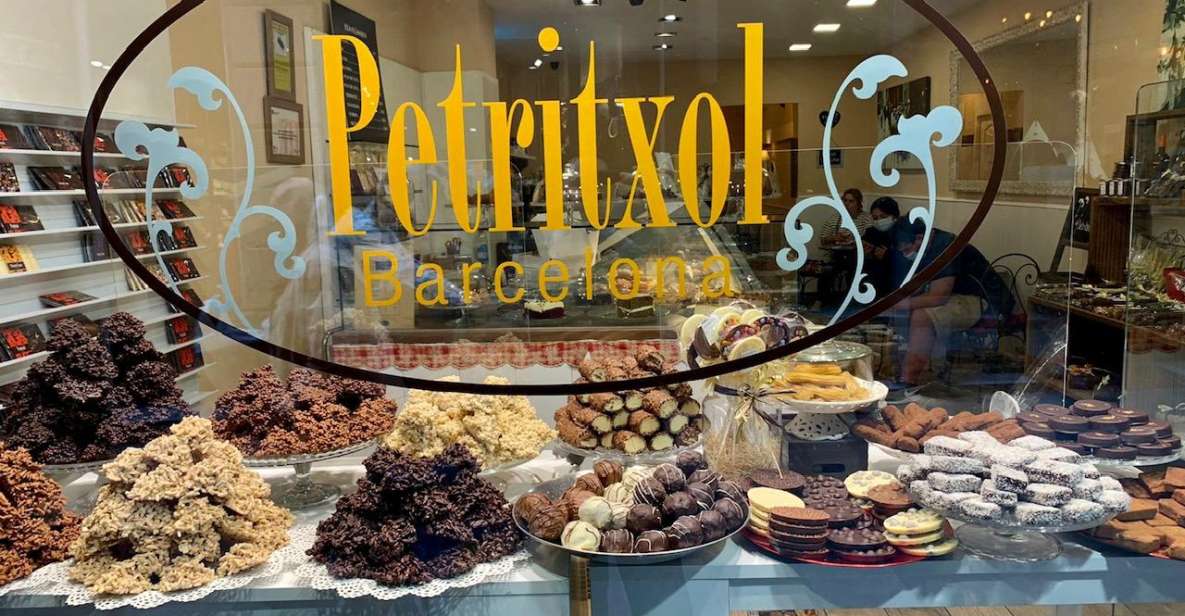
- Petrixol Street and Plaça Nova: narrow streets, big atmosphere
- Barcelona Cathedral: you’ll see it, but entry isn’t included
- The Archive of the Crown of Aragon and Augustus Temple: power, paper, and empire
- Government Square, Bishop’s Bridge: where stories get tense
- Plaça Sant Felip Neri to Ferran Street: history you can walk through
- School of Arts and George Orwell Square: art meets politics
- Barceloneta & the port: finishing with sangria, not a lecture
- Price and value: is $64 for 2 hours a fair deal?
- What to wear, what to bring, and what to expect on the day
- Who this tour fits best (and who should look elsewhere)
- Final verdict: should you book the Gothic Quarter secrets tour with sangria?
- FAQ
- Where do I meet the guide?
- How long is the tour?
- What languages are offered?
- Is sangria included?
- Do I get entry to Barcelona Cathedral?
- Is the tour wheelchair accessible?
Key moments that make this tour worth your time
- A small-group walking pace through the Gothic Quarter, focused on meaning, not rushing
- Barcelona Cathedral on the route (but no entry ticket), so plan accordingly if you want inside
- Spanish Civil War and political intrigue stories tied to real streets and squares
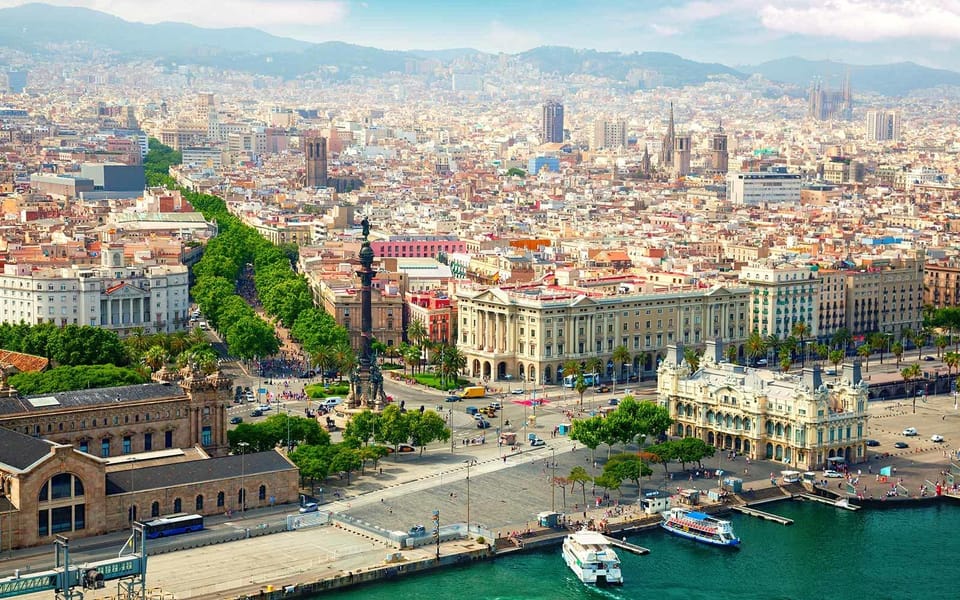
- A long list of stops that map the city center from Plaça de Catalunya to Barceloneta
- Complimentary sangria at the finish, plus where to eat and what to see next ideas
- Bilingual English/Spanish guidance, which helps if your group is mixed
Where it starts: Café Zurich at Plaça de Catalunya
Your tour kicks off outside Café Zurich in Plaça de Catalunya, right by the metro station. The guide stands in front of the café wearing a purple name tag, which makes meeting up fairly painless.
This start matters because Plaça de Catalunya is the city’s central switchboard. From there, you can feel Barcelona changing as you move from wide-open central streets into tighter medieval lanes. If you’re arriving that day for the first time, this is a good “orientation without the classroom” approach.
Also, the tour is wheelchair accessible, which is great to know if your route planning depends on that.
You can also read our reviews of more tours and experiences in Barcelona.
Plaça de Catalunya to Las Ramblas: the transition from modern to medieval
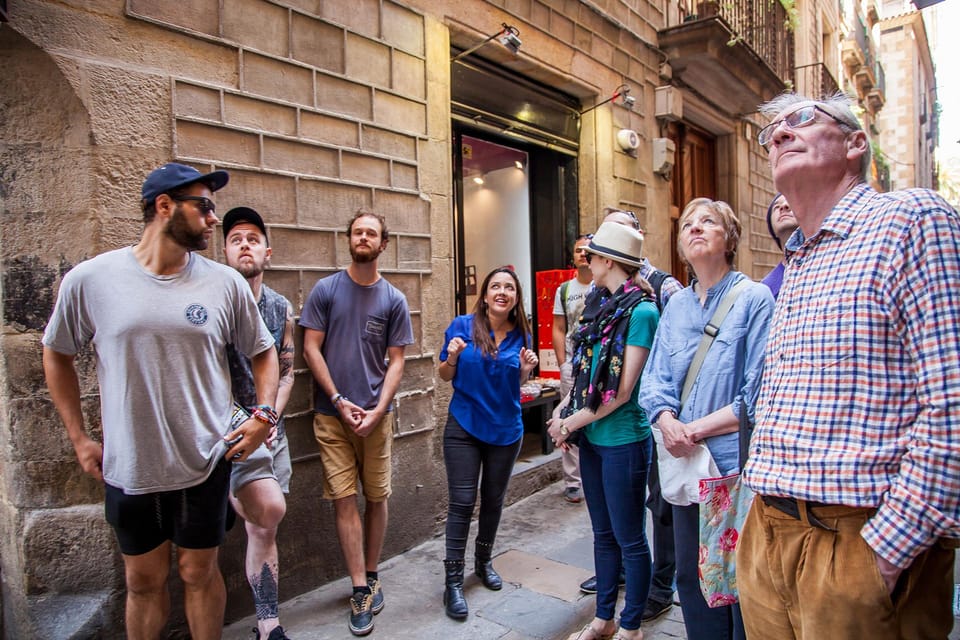
After you meet, you head toward Las Ramblas and the general historic-center zone. You’re not just walking past famous names—you’re using them like signposts. The idea here is to help you read the city. Even if you’ve visited Barcelona before, the route helps connect the dots between today’s bustle and older Barcelona’s layout.
Las Ramblas can feel like a high-energy corridor, so keep expectations realistic. This portion is more about orientation—getting oriented with the main spine of the city—than about lingering. The pay-off comes later when the walking narrows and the mood shifts.
If you’re coming from a hotel far away, this start point is convenient because Plaça de Catalunya is easy to reach by transit. It’s also a helpful meeting hub if your day plan is flexible.
Canaletes Fountain: a quick landmark that helps you picture local life
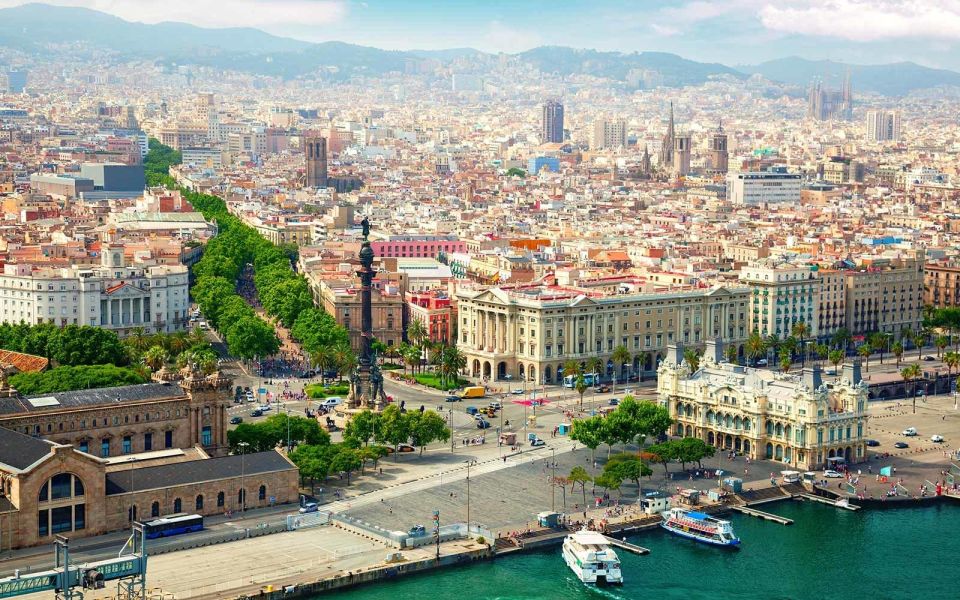
Next comes Canaletes Fountain, one of those Barcelona reference points people mention without always explaining why it’s useful. On this tour, it’s there to reset your sense of place. It helps you anchor the rest of the walk in a city-center rhythm, before you start moving into older layers.
This is one of those stops where the guide’s storytelling does the heavy lifting. You’re not waiting in line or buying tickets. You’re just getting oriented and moving onward with more context in your head than you had an hour earlier.
The Roman Cemetery: seeing Barcelona’s older past in plain sight
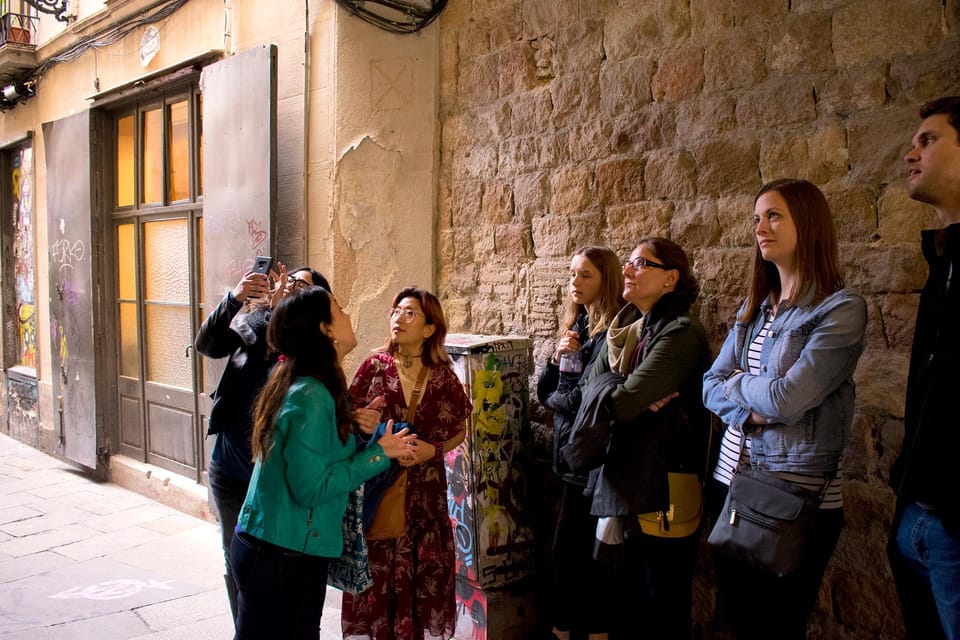
Then you pass by the Roman Cemetery area. That’s a big clue about the tour’s overall style: it’s not only medieval romance. It also points to how Barcelona’s history stacks—Roman-era remains and later transformations living side by side.
Practically, this stop is a good reminder that Barcelona didn’t begin as a Gothic Quarter postcard. It grew, changed rulers, and kept reusing space. When you notice that, the medieval streets stop feeling like random twisting alleys and start feeling like a timeline.
If you like historical context that actually changes your walk—rather than just repeating facts—this is a highlight.
Petrixol Street and Plaça Nova: narrow streets, big atmosphere
From there, the route turns toward Petrixol Street and Plaça Nova. These are the kinds of spots where the city feels close. Narrow streets make you slow down without trying. Squares give you a breather. And when your guide explains what you’re looking at, it’s easier to understand why Barcelona’s old streets survive the way they do.
This is also where a small-group format helps. You’ll have time to listen without feeling like you’re part of a human wave. And since the tour focuses on secrets and stories, these quieter pockets matter more than they might on a rushed sightseeing circuit.


Barcelona Cathedral: you’ll see it, but entry isn’t included
You pass Barcelona’s cathedral. The big practical detail: cathedral entry is not included, so you shouldn’t plan this tour as your ticket into the interior.
Still, seeing the cathedral from the right angles is worth it. This is one of Barcelona’s most defining religious and architectural landmarks, and it’s a natural anchor for stories about art, religion, and how power showed up in stone.
If you want to go inside later, this tour can function as your best “pre-visit” orientation. You’ll come back with more context, and that usually makes interior visits feel less like checking a box.
The Archive of the Crown of Aragon and Augustus Temple: power, paper, and empire
The route includes the Archive of the Crown of Aragon and the Augustus Temple. That pairing tells you a lot about what this tour tries to do: it connects governance and authority (archives, courts, institutions) with the older imperial layer of the city.
Even if you don’t spend much time at each spot, the guide’s job is to make these places feel relevant. Instead of treating them as distant “historic buildings,” you’re learning why they mattered—and what kinds of people used them.
This part of the walk is especially good if you enjoy political history and like the idea that everyday streets were once lined with real decisions: who rules, who signs, who benefits, and who gets pushed aside.
Government Square, Bishop’s Bridge: where stories get tense
As you continue, you reach Government Square and Bishop’s Bridge. These places fit the tour’s darker themes—politics, local traditions, and intrigue—with less pageantry than the big tourist viewpoints.
This is also where stories about the Spanish Civil War and political tensions really make sense. The city didn’t just have art and religion. It had conflict, control, and propaganda. When a guide links those themes to specific locations, you stop thinking of history as something that happened somewhere else.
If your travel style is more “explain the why” than “name that building,” you’ll likely enjoy this stretch the most.
Plaça Sant Felip Neri to Ferran Street: history you can walk through
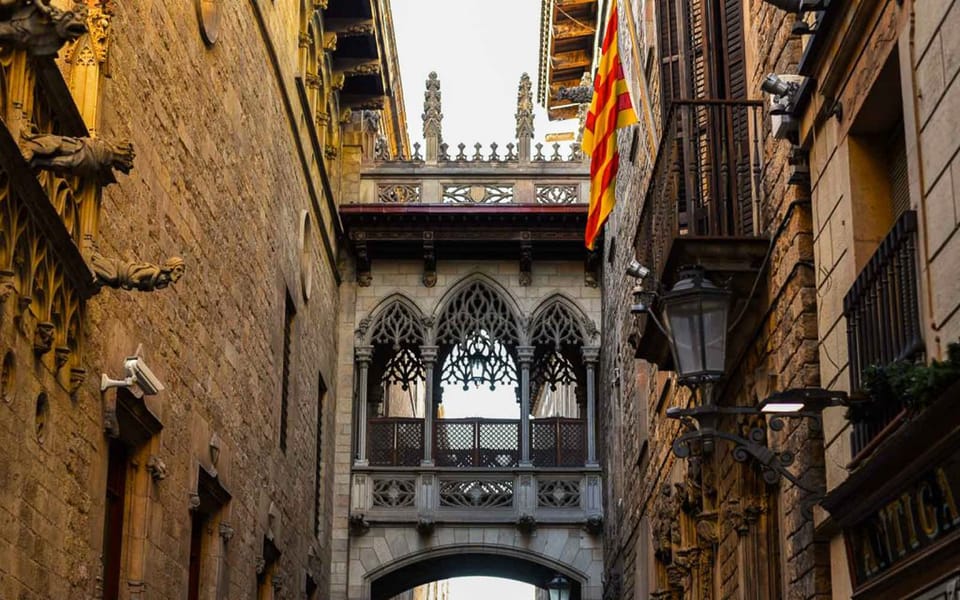
Then the route moves to Plaça Sant Felip Neri and Ferran Street. Squares like Plaça Sant Felip Neri tend to feel calmer, and that gives your brain room to take in the stories. Ferran Street brings you back into the thick of the historic-center pulse.
This section is valuable because it helps you connect religion and politics to daily life. It’s easy to think of Gothic Quarter history as purely monumental. Stops like these remind you the city’s old structures still shape how people move, gather, and shop.
School of Arts and George Orwell Square: art meets politics
The tour also includes School of Arts and George Orwell Square. This is a clever inclusion if you’re the type who likes how ideas travel through a place.
The guide weaves in stories about transcendental artists and personalities, alongside the political threads that run through Catalan identity. Even if you’re not a literature buff, Orwell’s name is a big signal: you’re heading into history that touches how people think and how regimes respond.
I like the way this tour doesn’t treat art as decoration. It treats art and writing as forces that people used—sometimes safely, sometimes dangerously.
Barceloneta & the port: finishing with sangria, not a lecture
The walk ends in Barceloneta near the port area, at Restaurant Pasa Tapas Barceloneta. This is where you relax, and it’s not a vague ending. You get complimentary sangria, and the guide shares practical insider recommendations for what to see and where to eat during your stay.
That final hour matters because it turns the tour into a plan for the rest of your trip. Instead of “here are highlights,” you get advice aimed at how you’ll actually spend your time afterward.
Also, the sangria element is one of the most consistently praised parts of the experience. More than the drink itself, it’s the moment where the guide’s personality and storytelling carry over into a friendly, social close.
If you’re planning dinner afterward, this finish point helps. You’re already in the right zone to keep going.
Price and value: is $64 for 2 hours a fair deal?
At $64 per person for a roughly 2-hour experience (some schedules list 2.5 hours for the guided walk), you’re paying for three things:
- A bilingual guide who stitches landmarks to culture, religion, Catalan history, and the Spanish Civil War era
- A focused route through major Gothic Quarter points that many self-guided walks miss or simplify
- Included sangria, plus immediate recommendations so you don’t lose the momentum
If you’ve ever paid for a long, generic walking tour that mostly points and names, this offers a more narrative style. You’re also getting the added value of learning about local traditions and political intrigue while standing in front of the real streets tied to those stories.
For me, the best value test is simple: do you leave with clearer “how to explore Barcelona next” ideas? This tour is designed for that, especially because the final stop includes that guidance alongside the drink.
What to wear, what to bring, and what to expect on the day
This is a walking tour through narrow medieval lanes and historic-center streets. Wear shoes you trust. Bring something light for sun or sudden shade, depending on the day.
Because cathedral entry isn’t included, don’t build your schedule around this tour as your only chance to go inside. Treat it as an orientation and story pass, then decide later if you want an interior visit on your own.
Group size is described as small, and that’s important. It usually means you can actually hear the guide without turning your head every 10 seconds, and it makes it easier to ask questions.
Languages are English and Spanish, so if your group needs either one, you should feel comfortable joining.
Who this tour fits best (and who should look elsewhere)
This is a strong match if you:
- Want a Gothic Quarter tour that explains why these places matter, not just what they are
- Like history that includes politics and the Spanish Civil War, tied to real locations
- Enjoy walking city-center routes that end with a social break (sangria) and concrete restaurant ideas
You might want a different option if you:
- Specifically need ticketed cathedral entry as part of your plan
- Prefer a purely architecture/photo-focused tour with minimal story-driven content
Final verdict: should you book the Gothic Quarter secrets tour with sangria?
I’d book this if your goal is to leave the Gothic Quarter understanding Barcelona as a layered place—medieval streets, religious influence, Catalan identity, and even the political storms that shaped the modern city. The small-group walk plus bilingual guiding makes it easier to follow, and the sangria finish turns the end of the tour into a useful springboard for your evening.
One last decision tip: if you’re the kind of traveler who enjoys learning through place-based storytelling, this will feel satisfying. If you only want a quick highlights loop and don’t care about the stories behind the stones, you may find it more engaging than you need.
FAQ
Where do I meet the guide?
Meet outside Café Zurich in Plaça de Catalunya. The guide will be standing in front of the metro station wearing a purple name tag.
How long is the tour?
The experience is listed as 2 hours. The guided tour time is listed as 2.5 hours.
What languages are offered?
The guide is bilingual in English and Spanish.
Is sangria included?
Yes. Sangria is included, served at the finish.
Do I get entry to Barcelona Cathedral?
No. Entry to the cathedral is not included.
Is the tour wheelchair accessible?
Yes, the tour is wheelchair accessible.