REVIEW · BARCELONA
Barcelona Gothic Quarter’s Deepest Secrets & Sangria
Book on Viator →Operated by Volarte Tours · Bookable on Viator
A dark stroll through Barcelona starts here. This 3-hour small-group walk through the Barri Gòtic swaps the usual highlights for lesser-known stories, and it ends with traditional sangria and time to ask questions. Guides like Juliana, Valentina, and Sabrina are often praised for turning street corners into real history you can picture.
I like two things most. First, the max group size of 15 keeps the pace smooth and the questions flowing, instead of getting stuck waiting your turn. Second, the route hits major landmarks and then adds political and cultural context, from Plaça Sant Jaume to the Jewish quarter area and Civil War memory points like Plaça de Sant Felip Neri.
One drawback to consider: some stops (like Basilica de Santa Maria del Pi and Barcelona Cathedral) list admission as not included, so if you want to go inside, plan on extra cost and a little time.
In This Review
- Key things you should know before you go
- Why this Gothic Quarter walk feels different than the usual highlights
- The small-group size: the real value you feel in the streets
- The route starts at Plaça de Catalunya, then slowly leans into the old city
- Stop-by-stop: what you’ll actually see in Barri Gòtic
- Quick-hit streets: Las Ramblas and Carrer Petritxol on purpose
- The churches and cathedral entry question you should plan for
- From squares to the waterfront: how the finale near Port Vell changes the day
- Sangria at the end: why this included break feels like good timing
- Price and value: what $65.33 really buys you
- Which guide style you’ll likely get (and why names show up)
- Who should book this tour, and who might skip it
- Should you book Gothic Quarter’s Deepest Secrets and Sangria?
- FAQ
- How long is the Barcelona Gothic Quarter secrets and sangria tour?
- What does the tour cost and what’s included?
- How big is the group?
- What language is the tour offered in?
- Is entrance included for the cathedral and churches?
- Where does the tour start and where does it end?
Key things you should know before you go
- Small-group pacing (max 15) means less waiting and more direct conversation with your guide.
- Sangria is included at the end, giving you a relaxed landing near the waterfront.
- You’ll get story-driven stops tied to Roman walls, the Jewish quarter, and Civil War sites.
- Several major sights are exterior-focused, while cathedral/church entry may cost extra.
- Meet at Café Zurich (Plaça de Catalunya) and walk toward Port Vell by the end.
- English tour with a professional guide, plus recommendations to keep your trip moving.
Why this Gothic Quarter walk feels different than the usual highlights
The Barri Gòtic can feel like a maze, especially when you’re trying to match streets to sights. This tour keeps you on a guided thread through the maze, with stops picked to make the neighborhood’s layers easier to understand.
Instead of just pointing at pretty buildings, the guide frames what you’re seeing with “why this matters” stories. That storytelling tone is a big reason so many people love the experience, particularly when the guide builds connections between architecture, power, and daily life.
And yes, the sangria matters. It’s not just a food stop. It’s a mood reset after a concentrated walk through squares and stone streets.
You can also read our reviews of more tours and experiences in Barcelona.

The small-group size: the real value you feel in the streets
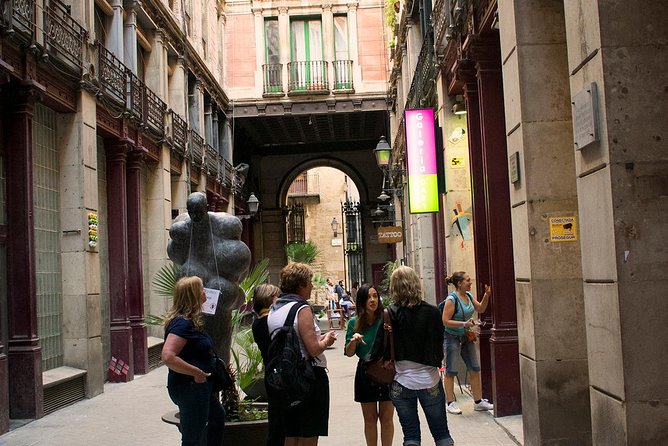
A tour can say small group, but what you want is small enough that you’re not constantly separated from your guide. With a maximum of 15 people, you can actually keep up, ask quick questions, and hear the full explanation instead of catching pieces over someone’s shoulder.
I also like that many reviews mention how guides help with navigation. That’s practical in the Gothic Quarter. The street grid looks simple until you’re standing in it and trying to find your next turn.
If you’re starting your trip in Barcelona, this size also helps you get oriented fast. One of the most useful outcomes of a first-day tour is not only knowing sites, but knowing how your neighborhood map works.
The route starts at Plaça de Catalunya, then slowly leans into the old city
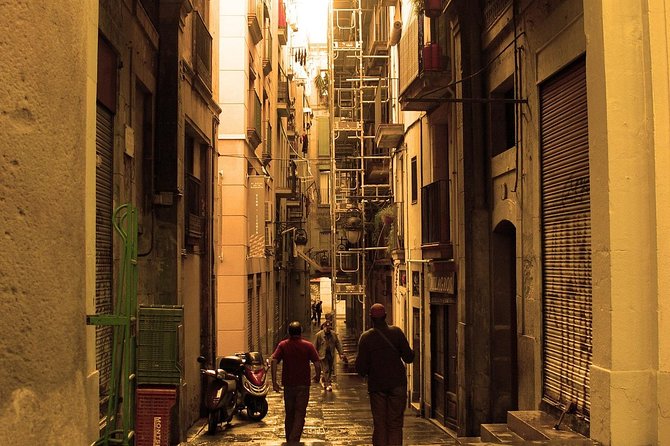
You meet at Café Zurich, right on Plaça de Catalunya. That’s a helpful meeting point because it’s central, and the tour is described as near public transportation.
From there, the itinerary moves in short segments. You get an introduction (about 15 minutes) and then you head into the core scenes, including Las Ramblas and Carrer Petritxol, each with its own short walk time.
This matters because you get a quick sense of where the tourist energy is—and where it thins out into quieter lanes. That balance is key to enjoying the Gothic Quarter rather than just surviving it.
Stop-by-stop: what you’ll actually see in Barri Gòtic

The main experience is the walking portion through the Gothic Quarter, listed at about 1 hour. That hour is where the guide’s storytelling style matters most, because it sets up what the next squares and landmarks mean.
Here are the kinds of places you can expect to pass, plus what they’re useful for:
Barcelona Cathedral area
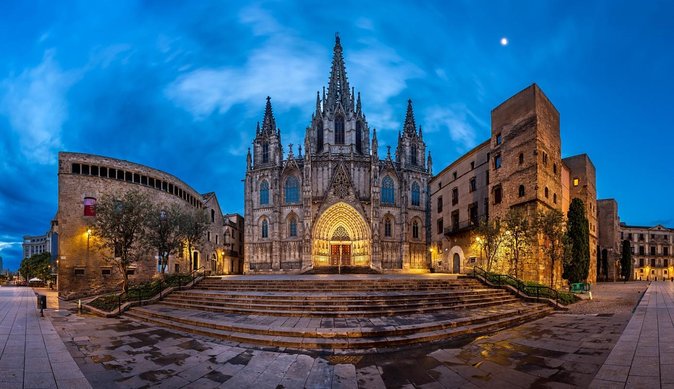
You’ll hit the cathedral zone and the Gothic church Santa Maria del Pi area. Even if you don’t go inside, the exterior details help you read the neighborhood because these buildings set the visual tone for the whole quarter.
Roman walls and ancient layers
The tour includes the Roman Walls and Ancient Roman Ruins stop. This is where the Gothic Quarter stops feeling like only medieval postcard material. You start seeing the city as “built over time,” not replaced.
Jewish quarter reminders and synagogue area
You’ll visit the Jewish quarter and a synagogue-related stop. These moments help you connect Barcelona’s past to real communities and not only to famous artwork and kings.
Plaça Sant Jaume (Government Square)
This square is one of the civic anchors. When you stand there, it’s easier to understand why power, law, and public life mattered so much in the city’s story.
Civil War memory points: Plaça Sant Felip Neri and Orwell Square
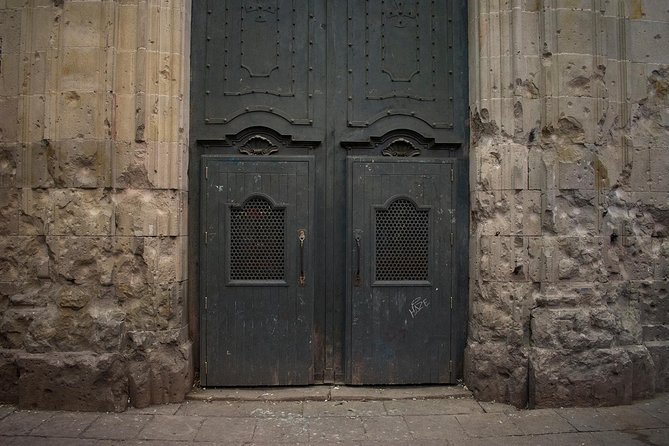
The itinerary explicitly includes Plaça de Sant Felip Neri (linked to the Spanish Civil War) and George Orwell Square (Plaza Tripi). If you prefer your history light, these stops might feel heavy. But if you like your travel grounded in context, they’re important.
Art education links: Picasso, Miró, Dalí, and a Gaudí thread
You’ll pass the art school where Picasso, Miró, and Dalí studied and a stop at Royal Artistic Circle of Barcelona, tied to Gaudí’s first work of art. This is a smart addition for anyone who thinks Barcelona is only architecture by famous names. It shows the training and institutions that made those artists possible.
Mió and local birthplace touchpoints
There’s a Miró’s place of birth stop. Small local details like this can make the neighborhood feel more personal, not just monumental.
Quick-hit streets: Las Ramblas and Carrer Petritxol on purpose
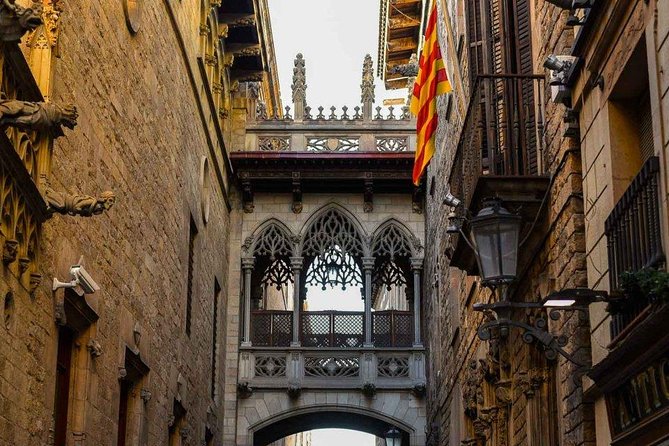
Not every stop needs a long visit to be useful. The tour includes Las Ramblas (about 15 minutes) and Carrer Petritxol (about 10 minutes), which are perfect for two different reasons.
Las Ramblas is about orientation. It’s a landmark street that helps you understand the flow of foot traffic and where the center of attention is.
Carrer Petritxol is for character. It’s shorter, sweeter, and it gives your eyes a different type of street scene—more intimate than the big boulevard rhythm.
If you’ve walked Barcelona before and felt you kept missing the “small street stories,” these two stops help you learn how to spot them.


The churches and cathedral entry question you should plan for
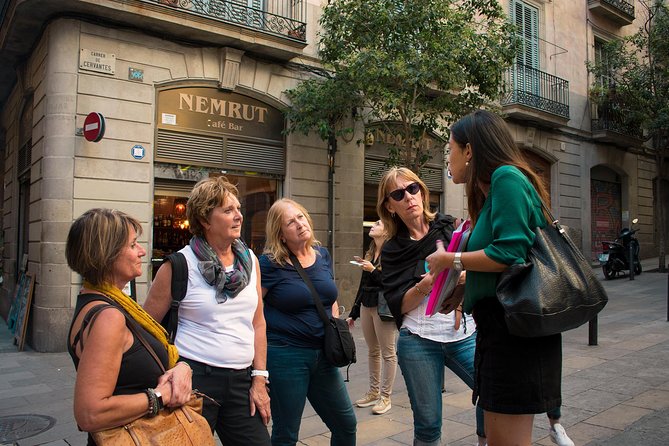
Two stops list admission as not included: Basilica de Santa Maria del Pi and Barcelona Cathedral. That doesn’t mean you can’t enjoy the area. It means if you want to go in, you may need to pay extra and you may need to add time.
The other church and archive-related stops are listed as free admission in the tour details, which usually means you’ll focus on viewing/exterior or entering without additional ticket cost.
Practical advice: if you care a lot about interiors, check your priorities before the day. If you only care about architecture from the outside, you can keep the pace brisk and save energy for the walk and the sangria finale.
From squares to the waterfront: how the finale near Port Vell changes the day
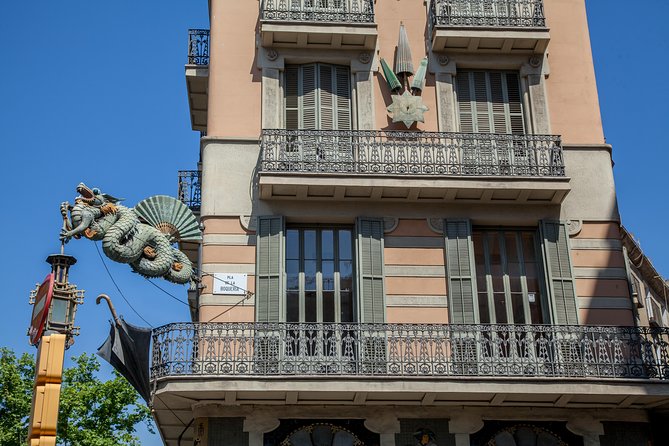
The walk doesn’t stop at the most famous stone piles. It continues toward the waterfront area, including a Barceloneta stop (about 5 minutes), and it ends near Port Vell.
This shift matters because it gives you a finish that feels different from the dense stone of the Gothic Quarter. You get out of the tight street rhythm and into a more open, airy Barcelona mood.
Even if you’re not a beach person, this end point is useful. It makes it easier to keep exploring right after the tour without forcing yourself back through the same maze.
Sangria at the end: why this included break feels like good timing
The tour ends with an included traditional sangria. Most people want food and drink at some point, but the timing here makes it feel like a reward instead of a distraction.
After a few squares, church fronts, and Roman wall moments, your brain has been working. Sangria is a gentle way to slow down while still staying social—especially if you’re traveling solo or you don’t want to spend your evening alone.
Also, the guide often uses this moment to share recommendations. That can be the difference between wandering all night and having a plan for what to see next.
Price and value: what $65.33 really buys you
At $65.33 per person for about 3 hours, you’re paying for a professional guide, small-group time, and the included sangria. You’re also paying for the fact that the guide connects multiple themes—architecture, civic life, and political memory—into one route.
In other words, you’re not just buying walking. You’re buying direction and context, plus a social landing at the end.
If you’re the type who likes to return from a trip knowing where to go next, this tour fits well. If you only want photo stops and you don’t care about explanations, you might find the value lower than a purely self-guided stroll—but for story-driven sightseeing, it’s a solid deal.
Which guide style you’ll likely get (and why names show up)
The experience is offered in English with a professional guide, and the reviews mention several guide names. You’ll see people praise guides like Juliana, Valentina, Sabrina, and Daniel for being engaging and for making the history feel alive.
That repeated praise isn’t random. It points to a consistent strength of this tour: the guide tends to explain, then gives you enough time to register what you’re looking at.
If you like guides who can handle questions and adapt the pace a bit for special requests, this is the kind of tour that can work for you.
Who should book this tour, and who might skip it
This tour is a great fit if you:
- want an efficient first orientation to the Gothic Quarter
- like history that includes politics and social context, not only dates
- appreciate a small group where you can ask questions
- want your evening to end with a relaxed sangria break near the waterfront
You might consider skipping if you:
- only want to maximize interior sightseeing and don’t want to plan for optional paid entry
- strongly dislike darker historical topics, since the itinerary includes Civil War-linked stops
- prefer long, independent museum time rather than a guided walking pace
Should you book Gothic Quarter’s Deepest Secrets and Sangria?
If you want a Barcelona night that starts with stone streets and ends with a drink, I’d say book it. The biggest strength is that you don’t just see the Gothic Quarter—you understand it more quickly, because the route ties together major sites and the less obvious stories that make the neighborhood feel real.
I’d book this early in your trip if you can, because the guide’s recommendations and the navigation help can guide the rest of your days. And I’d especially book it if you like conversation as part of sightseeing, not just a tour narration in the background.
If you care deeply about cathedral interiors, plan a little extra time and money for places marked as admission not included. Otherwise, it’s a practical, high-energy way to experience the Barri Gòtic without getting lost or stuck in crowds.
FAQ
How long is the Barcelona Gothic Quarter secrets and sangria tour?
It lasts about 3 hours.
What does the tour cost and what’s included?
The price is $65.33 per person. It includes a professional guide and sangria, and the group is kept small.
How big is the group?
The tour has a maximum of 15 travelers.
What language is the tour offered in?
The tour is offered in English.
Is entrance included for the cathedral and churches?
Admission is not included for Basilica de Santa Maria del Pi and Barcelona Cathedral. Other stops are listed as free admission.
Where does the tour start and where does it end?
It starts at Café Zurich on Plaça de Catalunya, and it ends near Port Vell in Ciutat Vella.