REVIEW · BARCELONA
Barcelona: Food & Drink Tasting Tour in Traditional Taverns
Book on GetYourGuide →Operated by LocalCoolTour · Bookable on GetYourGuide
Five stops, one hungry plan. This private Barcelona tasting tour strings together Poble Sec, Raval, La Boqueria, and the Gothic Quarter, so you get local food without guessing. I love the 10-dish lineup plus Iberian ham tasting, and I love that the guide can adjust for your dietary needs. The main catch: don’t go in with a light appetite, because the portions can feel like a full-on meal.
Guides like Vicenta and Silvina have a knack for keeping things friendly and practical while you eat your way through classic neighborhood bars. One important consideration: La Boqueria is closed on Sundays, so you’ll spend extra time on another stop instead.
In This Review
- Key things I’d circle on this tour
- Why this private Barcelona tapas and pintxos tour is such a smart use of time
- The value angle: you’re paying for direction and pacing
- From El Molino Theatre into Poble Sec’s bar scene
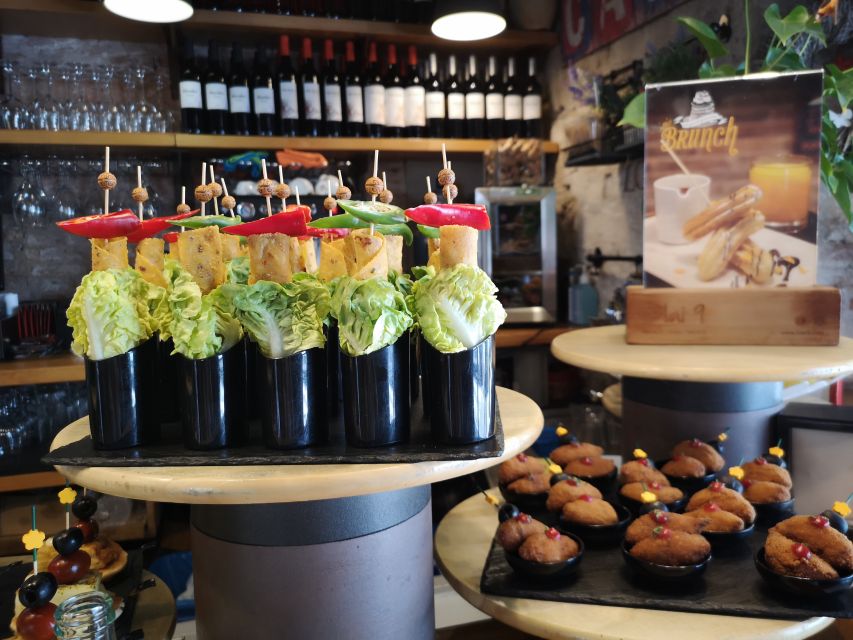
- Stop 1: Blai 9 (about 30 minutes)
- Blai Street taverns: pintxos, croquettes, and Iberian ham
- Stop 2: La Esquinita de Blai (about 40 minutes)
- Stop 3: O’Toxo 3 Germans (about 50 minutes)
- Iberian ham tasting: the moment that makes it feel real
- Raval walking energy and classic tapas plates
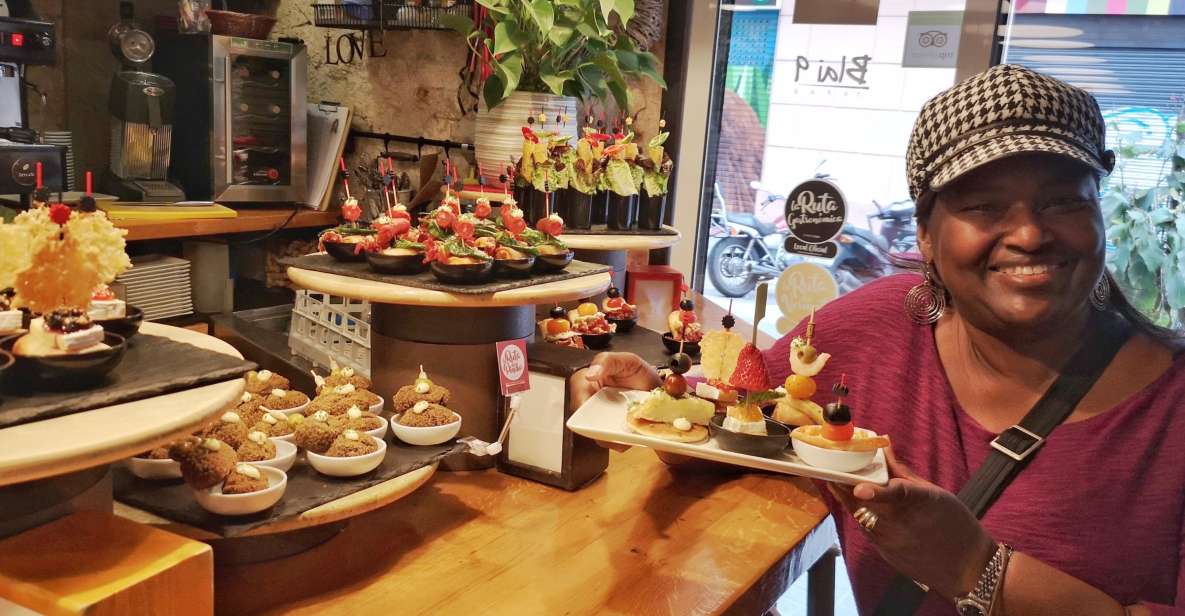
- The kinds of plates you’ll look for as you go
- La Boqueria: how to handle the market stop without feeling overwhelmed
- The Sunday reality check
- Timing matters here
- La Pallaresa churros and hot chocolate: the oldest-store kind of finish
- How to eat the dessert so you enjoy it
- Dietary needs, private pacing, and drink choices that won’t box you in
- Drinks included: alcohol or non-alcohol options
- What you’ll learn from the guide (and why it affects the food)
- Price and logistics: what $159 buys you in real terms
- The main downside worth planning for
- Who this Barcelona food tour fits best
- Should you book this private Barcelona food and drink tour?
- FAQ
- Where does the tour start?
- How long is the tour?
- How much does the tour cost?
- What stops are included?
- What food and tastings are included?
- Are drinks included, and can I get non-alcoholic options?
- Does La Boqueria always happen on the route?
- Can the tour be adjusted for dietary needs?
- Is it wheelchair accessible, and what languages are available?
Key things I’d circle on this tour
- 10 Spanish dishes over about 3 hours, not just a few small bites
- 5 classic stops across Poble Sec, Raval, La Boqueria, and the Gothic Quarter
- Iberian ham + 3 included drinks, with alcohol or non-alcohol options
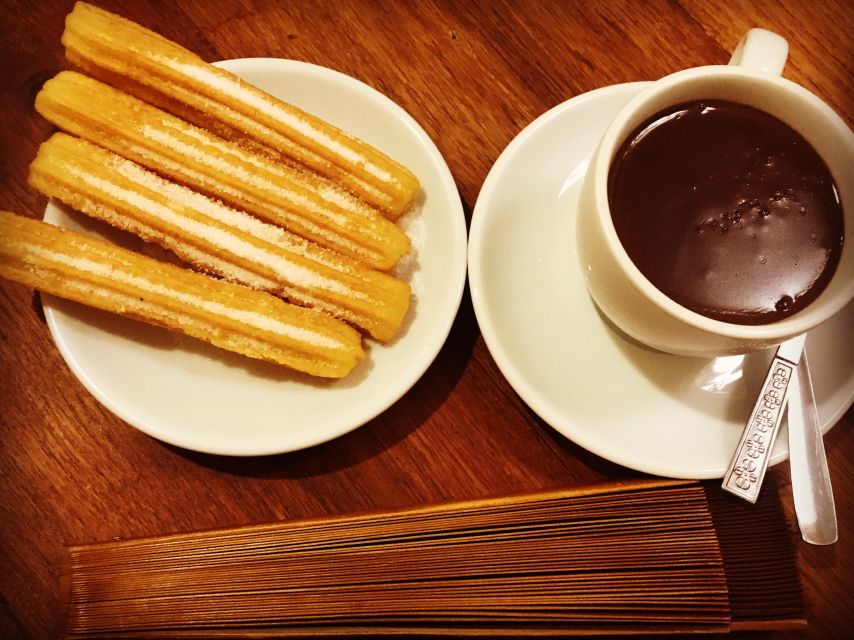
- Churros and hot chocolate at La Pallaresa, a long-running xocolateria and churrería
- Private format with diet adjustments, so you’re not stuck with a one-size menu
- Sunday schedule workaround since La Boqueria is closed
Why this private Barcelona tapas and pintxos tour is such a smart use of time

Barcelona food can be either a dream or a headache. You’ll see endless tapas menus and tour ads that promise the best of everything, but the real trick is finding places locals actually repeat.
This tour is built for that. In just 3 hours, I like how it moves you through the neighborhoods where the eating happens—Poble Sec first, then Raval, then the central market area, and finally dessert in the Gothic Quarter. It’s not just “taste stuff.” It’s a guided route that helps you understand what Spanish eating feels like day to day.
You can also read our reviews of more food & drink experiences in Barcelona
The value angle: you’re paying for direction and pacing
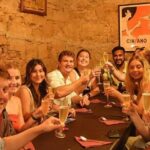
At $159 per person, you’re not only paying for food—you’re paying for the guide’s route and timing. You get multiple tastings plus drinks, and the stops are the kind you’d struggle to pick confidently on your own, especially if you want a mix of tapas, pintxos, and regional drinks without wasting time.
From El Molino Theatre into Poble Sec’s bar scene
The meeting point is right by the El Molino Theatre entrance. It’s a good start because you’re already in the right part of town to walk into Barcelona’s bar culture.
From there, you head into Poble Sec, a neighborhood that’s all about casual eating—standing-room energy, small plates, and quick conversation between courses. The point is simple: you’re not trying to win a culinary scavenger hunt. You’re learning how the locals do it—order something good, add a drink, and keep the rhythm going.
Stop 1: Blai 9 (about 30 minutes)
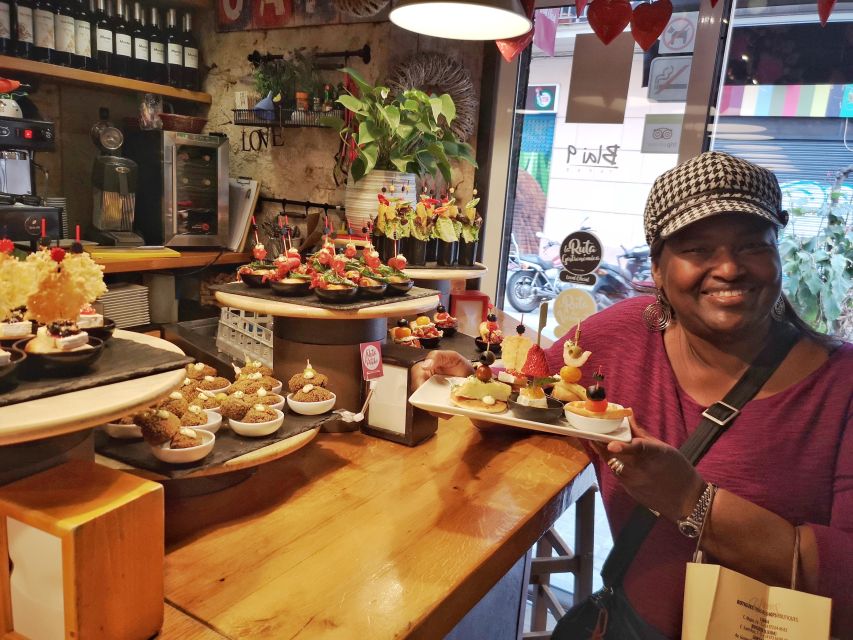
This is where the tour turns you from “hungry tourist” into “I get it.” Expect your first round of the classic stuff—this is an introduction stop where pintxos and wine culture set the tone for the rest of the route.
If you’re the type who wants to know what to order next time you’re here, this kind of start matters. You’ll likely see how portions work, how plates get shared, and how drinks get paired to keep the meal flowing.
Blai Street taverns: pintxos, croquettes, and Iberian ham
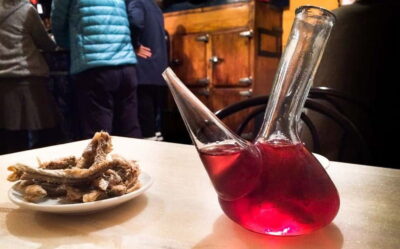
After the first stop, the tour deepens into the area around Carrer de Blai, where you can find serious local followings. This part is the heart of the experience: tasting, walking, and getting small explanations that help the food make sense.
You can also read our reviews of more tours and experiences in Barcelona

Stop 2: La Esquinita de Blai (about 40 minutes)
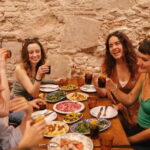
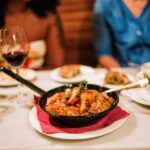
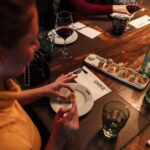
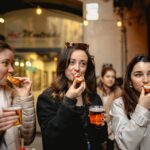
This stop leans into the “traditional tavern” vibe—order, taste, move. You’ll sample the kinds of bites that Barcelona does well: savory small plates built for multiple rounds, not one giant course.
One detail I’d watch for is the pace. With a private guide, you can usually go at a comfortable tempo. If you’re curious and ask questions, you’ll get answers. If you’re just there to eat, you can keep it simple.
Stop 3: O’Toxo 3 Germans (about 50 minutes)
This is one of the longer tasting stops, and that extra time is a good sign. You’re not just getting rushed through. You’re getting enough room to enjoy the flavors and land on what you actually like.
Food-wise, this is where you’ll find some of the classic picks mentioned for the route—like croquettes and other traditional tapas-style dishes. You’ll also be in the sweet spot of the tour where you can start noticing which flavors you want to prioritize next.
Iberian ham tasting: the moment that makes it feel real
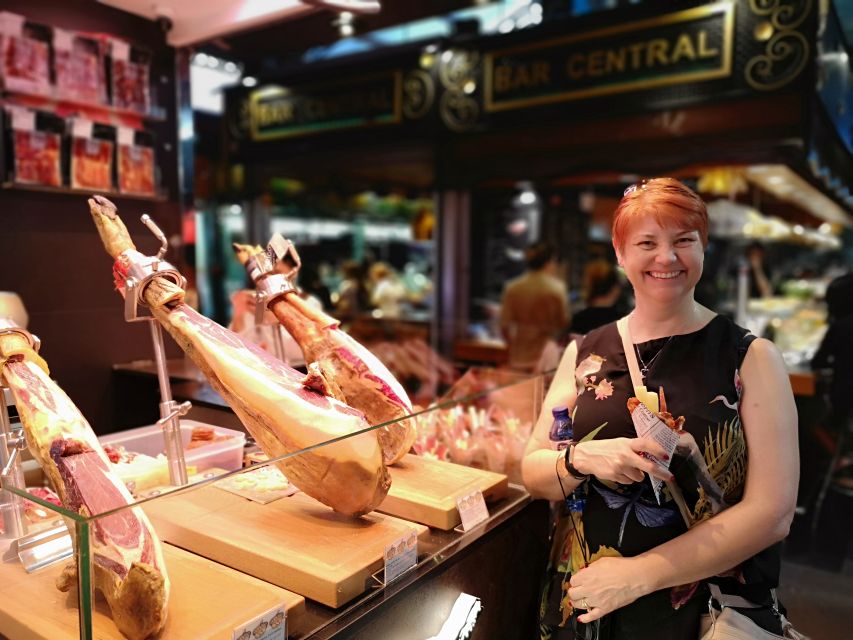
A standout included element is the Iberian ham tasting. It’s the kind of bite that turns a tapas tour from generic to genuinely Spanish. Even if you don’t consider yourself a “food person,” ham done well gives you an immediate sense of place—salt, aroma, texture, and how it’s meant to be eaten casually with a drink nearby.
Raval walking energy and classic tapas plates
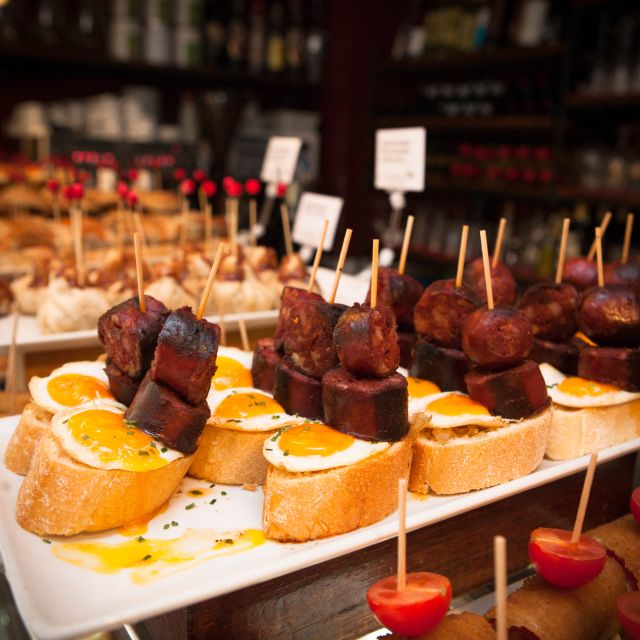
The tour also includes walking through Raval and the Gothic Quarter area. The walking matters because it links the tastings to what you see outside the plates: street life, shopfronts, and the everyday mix of people that makes Barcelona feel like a real city, not just an attraction machine.
Raval is especially good for this kind of food route because it’s a neighborhood of overlap—different cultures, different rhythms, and a lot of people grabbing a quick plate before they head back out.
The kinds of plates you’ll look for as you go
The tastings on this tour include a mix of traditional favorites, such as:
- patatas bravas
- Spanish omelet (tortilla)
- bread with tomato
- an assortment of tapas and pintxos
I like that the menu isn’t trying to be fancy for the sake of being fancy. You’re learning Barcelona’s fundamentals—what people order, what tastes best with drinks, and what works as a shared snack.
La Boqueria: how to handle the market stop without feeling overwhelmed
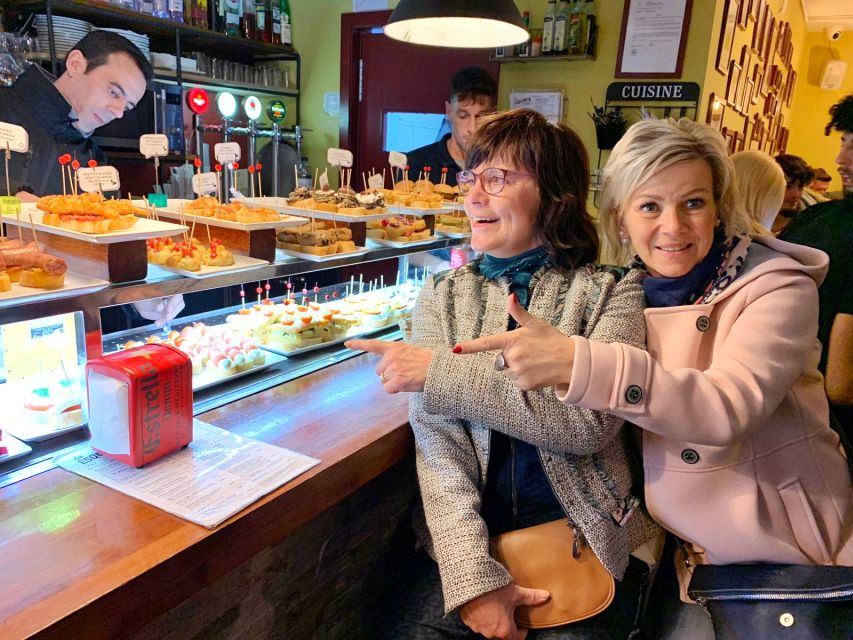
Then you reach La Boqueria. Yes, it’s popular. But the benefit of having a guide here is that you don’t have to treat it like a chaotic maze.
This stop is about tasting while walking through the market’s food world. You’ll get traditional market-style eating ideas—fruit, seafood, vegetables—and you’ll also try traditional Spanish ham while you’re in the market, which helps connect what you tasted earlier with what you’re seeing now.
The Sunday reality check
There’s one practical heads-up: La Boqueria is closed on Sundays. The tour doesn’t cancel; it swaps by spending the extra time on another stop instead. If your plan includes a Sunday market day, make sure you’re okay with that trade.
Timing matters here
Your market time is set at around 30 minutes. That’s enough to taste and orient yourself, but it’s not a full market meal. If you want to do serious shopping for food to take back, you’d likely add extra time after the tour.
La Pallaresa churros and hot chocolate: the oldest-store kind of finish
After the market, the tour ends in the Gothic Quarter at La Pallaresa Xocolateria Xurreria. Expect a sweet ending that feels very Barcelona: churros and hot chocolate.
This is also where the tour’s structure makes sense. You’re done with savory rounds, your appetite is still alive (not exhausted), and then you hit the classic pairing. The tour mentions that this is one of the oldest stores in the city, and that kind of longevity usually means consistent quality and a steady local crowd.
How to eat the dessert so you enjoy it
If you follow one rule, make it this: savor it slowly. When you’ve had several tastings, dessert can turn into a rush just because you’re moving on. Don’t do that here. Take a minute, dip properly, and taste the difference between thick hot chocolate and thinner versions you might’ve had elsewhere.
Dietary needs, private pacing, and drink choices that won’t box you in
This tour is fully private, and it can be adjusted for your dietary needs. That matters more than you might think. Many food tours handle allergies or preferences with a weak substitute or a last-minute change you don’t control.
Here, the private format gives the guide flexibility to adapt tastings and the route so you’re not left with bread and confusion while everyone else is eating.
Drinks included: alcohol or non-alcohol options
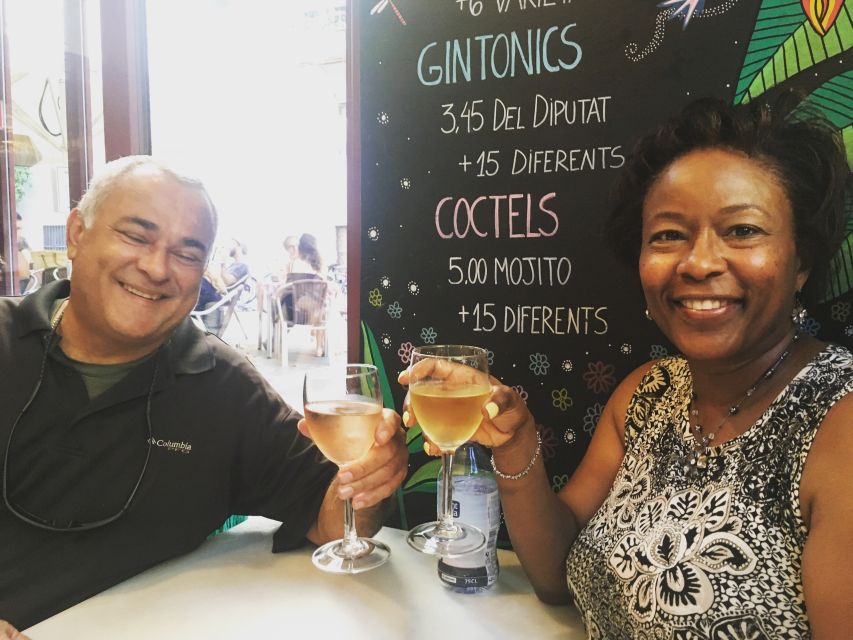
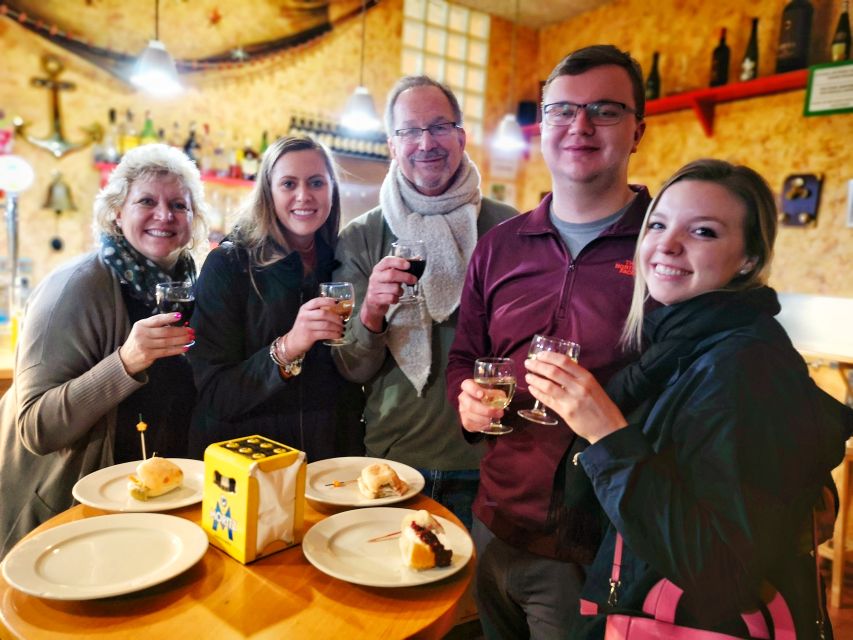
You’ll get 3 drinks included, and they can be alcoholic or non-alcoholic. The tour also mentions local wines, beers, and hot chocolate as part of the drink lineup.
This is where the guide’s job shines. Spanish eating is often built around how drinks change the meal, not just what’s in the glass. If you choose non-alcoholic, you should still get the intended rhythm of the tastings.
What you’ll learn from the guide (and why it affects the food)
Some guides treat food like a checklist. This tour tends to do the opposite: it uses food as a way to explain neighborhoods and local habits.
In the guide feedback, I saw patterns like this: people liked that their guide could answer questions from history and art to small local obsessions, even things like skateboard shops. That’s a sign you’re getting more than “here’s the menu.” You’re getting a local lens on the city, which makes each stop feel connected instead of random.
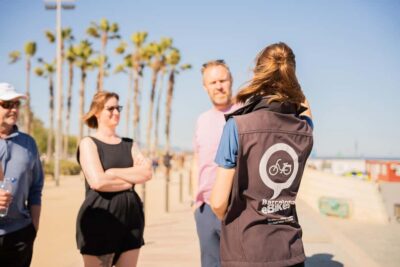
Also, because it’s private, you’re more likely to get the pace right for your group—whether you want extra questions or you want to keep it quick and eat.
Price and logistics: what $159 buys you in real terms
Here’s the honest way to think about pricing. You’re paying for:
- multiple food tastings (the highlights mention 10 different Spanish dishes)
- Iberian ham plus tapas and pintxos
- 3 included drinks
- churros and hot chocolate
- a guided route across key areas, including La Boqueria
If you tried to DIY this, you’d spend money anyway—tapas adds up fast once you stop thinking in “one or two bites” mode. The guide helps you avoid two common problems: paying for touristy places that look good on menus but don’t deliver, and losing time between neighborhoods when your plan falls apart.
The main downside worth planning for
The tour is generous with food, and the vibe is very eat-and-walk. If you’re the type who gets full easily, you might want to go easier earlier in the route, or bring an agreement with yourself that you’ll share bites and sip drinks slowly.
Also, keep expectations realistic about La Boqueria. It’s not a half-day market immersion. It’s a focused tasting stop.
Who this Barcelona food tour fits best
This is a great fit if you:
- want a private guide to handle ordering and pacing
- like tapas and pintxos more than fancy tasting menus
- want to hit Poble Sec, Raval, La Boqueria, and the Gothic Quarter without planning every stop
- need a tour that can be adjusted for dietary needs
It may be less ideal if you’re:
- only interested in one specific dish type and hate walking
- very sensitive to crowds (La Boqueria is a popular place)
- expecting a long, slow sit-down lunch experience
Should you book this private Barcelona food and drink tour?
I’d book it if you want a structured, low-stress way to taste a lot of Barcelona classics in one afternoon. The combination of neighborhood walking, tavern tastings, Iberian ham, and the final churros and hot chocolate stop makes it feel like a full food outing, not a snack tour.
Skip it only if you know you’ll be overwhelmed by food volume or you want a market tour that’s much longer and shopping-focused. Otherwise, this one is a smart use of 3 hours when you want real flavor and real neighborhoods.
FAQ
Where does the tour start?
It starts at the entrance of El Molino Theatre.
How long is the tour?
The tour lasts 3 hours.
How much does the tour cost?
It costs $159 per person.
What stops are included?
You’ll visit five stops: Blai 9, La Esquinita de Blai, O’Toxo 3 Germans, La Boqueria, and finish at La Pallaresa Xocolateria Xurreria.
What food and tastings are included?
You’ll try 3 tapas and pintxos tastings, plus an Iberian ham tasting, along with churros and hot chocolate.
Are drinks included, and can I get non-alcoholic options?
Yes. Three drinks are included, and they can be alcoholic or non-alcoholic.
Does La Boqueria always happen on the route?
It’s included, but La Boqueria is closed on Sundays. On Sundays, the tour spends extra time at one of the other stops instead.
Can the tour be adjusted for dietary needs?
Yes. The tour is fully private and can be adjusted for your unique dietary needs.
Is it wheelchair accessible, and what languages are available?
The tour is wheelchair accessible. Guides are available in Spanish, English, Portuguese, French, and German.