Gaudí has another side here. Torre Bellesguard is where his imagination turns architectural, with a rare Gothic-and-Modernist mix. I love how the building slows you down, so you notice the curves, the light, and the craft instead of rushing past the next big sight.
One of my favorite parts is the blend of architecture and setting: the Gaudí gardens include remnants of the medieval palace tied to King Martin I. And when you finish on the terraces, you get some of the best views of Barcelona—great for photos, and even better when you just sit and take it in.
Quick consideration: this experience is not recommended for people with severe disabilities. If you need very step-free access, check suitability before you go.
In This Review
- Key highlights you’ll care about
- Why Torre Bellesguard feels calmer than the big-name Gaudí stops
- The 1-hour guided tour: what you’ll do and how it’s paced
- Entering the tower experience: where Gaudí’s “halfway” style shows up
- The Gothic-versus-Modernist mix: what to watch for with your own eyes
- Walking the land’s story: bandits, popes, kings, and power struggles
- The gardens: where medieval remains meet Gaudí’s design
- Terraces and Barcelona views: the payoff at the end
- Price and value: is $23 for a guided 1-hour visit fair?
- Who this Gaudí tour fits best (and who should think twice)
- Should you book Torre Bellesguard? My take
- FAQ
- Where do I meet the guide for Torre Bellesguard?
- How long is the guided tour?
- What days is the tour available?
- Which languages are offered?
- What’s included in the price?
- How much does the tour cost?
- Is free cancellation offered?
- Can I reserve now and pay later?
- Is the visit crowded?
- Is this tour suitable for people with severe disabilities?
Key highlights you’ll care about
- A rarer Gaudí stop: often described as his most exclusive work, and it’s generally experienced without the crush.
- Symbol-first storytelling: you’ll learn what the design is pointing to, not just what it looks like.
- Trencadís and iron details: curves, textures, and wrought iron show up constantly as you walk.
- Medieval layers in the garden: the grounds incorporate remains connected to King Martin I.
- Terrace city views: you end with Barcelona at your feet and space to photograph calmly.
Why Torre Bellesguard feels calmer than the big-name Gaudí stops
In Barcelona, it’s easy to get trapped in a loop of lines, crowds, and fast photo stops. Torre Bellesguard is different by design. This visit is meant to be peaceful and exclusive, with no queues and no crowd pressure pushing you along. The result is that you can actually look at what Gaudí built, instead of just ticking it off.
This site also has a “you’re in on it” feeling. It’s still largely unknown to the general public, so your eyes have more room to catch the small stuff: the way the building meets the sky, the way shadows move across surfaces, and the repeated motifs you might miss if someone is rushing the group.
And because the visit is only about one hour, it’s a sweet fit for a day packed with other must-sees. You don’t have to give up your whole afternoon to get a satisfying Gaudí hit. For me, that pacing is key: short enough to stay energetic, long enough to see the story connect from tower to gardens to terrace views.
You can also read our reviews of more tours and experiences in Barcelona.
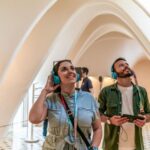
The 1-hour guided tour: what you’ll do and how it’s paced
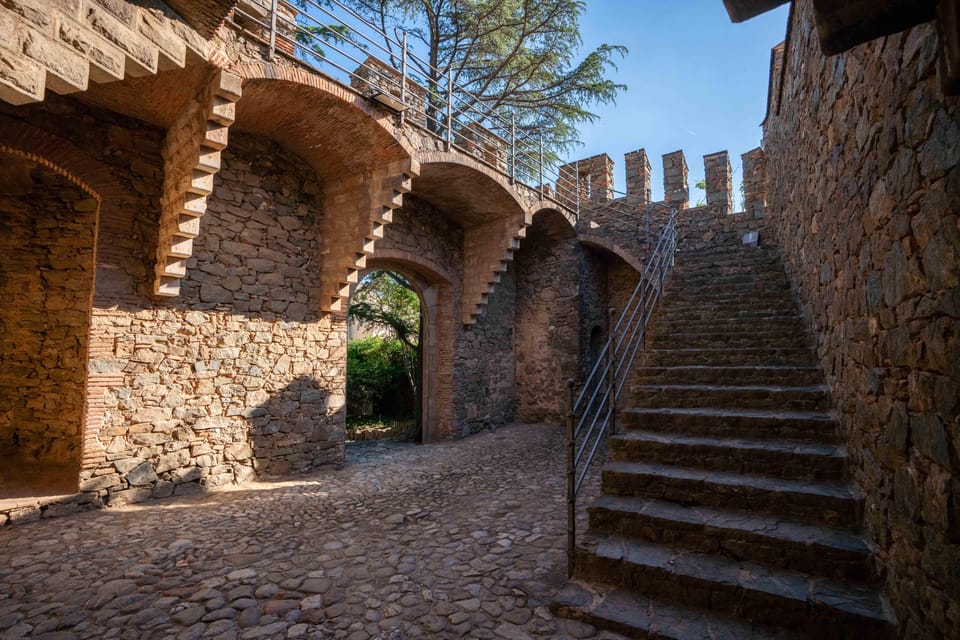
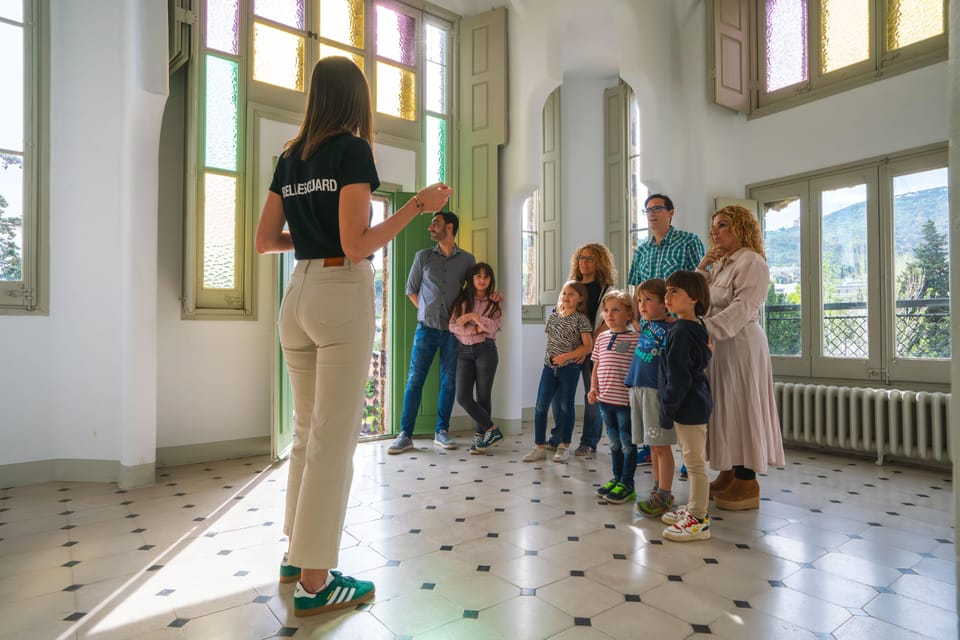
The tour runs from Thursday to Sunday, and it lasts approximately 1 hour. It’s a live guided visit in Spanish, English, or Catalan. You’ll meet your guide at the main entrance, then follow a route that’s built for attention—what you’re seeing matters, and the guide helps you connect the visuals to meaning.
The pace is intentionally unhurried. The experience is described as without haste, without queues, and without crowds, and you’ll feel that in the rhythm: stop, look, learn, and take a moment. That matters at Torre Bellesguard because the architecture isn’t just decorative. Gaudí packed symbolism into forms, junctions, and materials, and those details click more when you’re not being rushed.
One more practical point: the tour is for people who want a guided cultural and aesthetic experience. If you prefer to wander completely solo, you might not get as much value as someone who likes explanations. But if you enjoy learning while you look, this format is a strong match.
Entering the tower experience: where Gaudí’s “halfway” style shows up
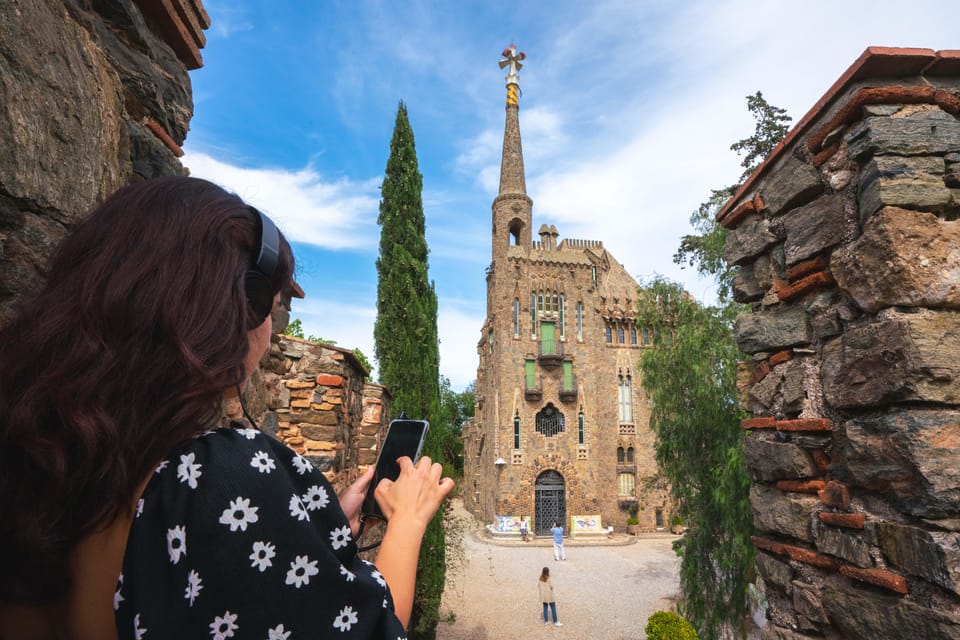
Torre Bellesguard is often described as an architectural jewel halfway between Modernism and Gothic. That phrase is more than marketing. As you look at the building, you can feel the tension and blend: Gothic cues in the vertical feel and structure-minded design, and Modernist creativity in the expressive forms and details.
What I like most is the sense of personal involvement. Gaudí’s work here isn’t presented as a one-size-fits-all commission. It’s portrayed as a Gaudí site where he left a very personal stamp. That comes through when you notice how the design seems to think in layers—shape, light, texture, and symbolic elements all in the same breath.
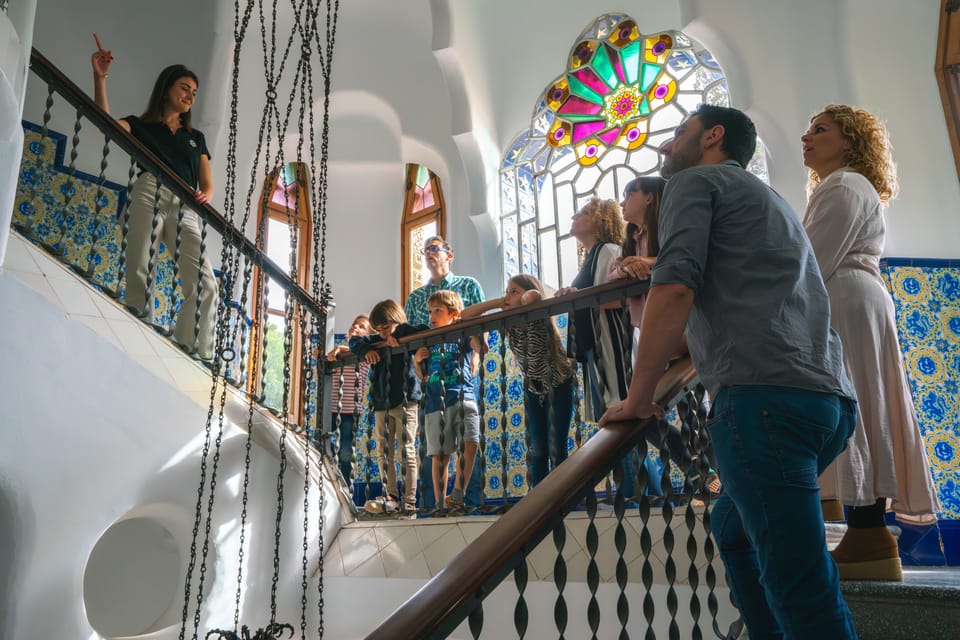
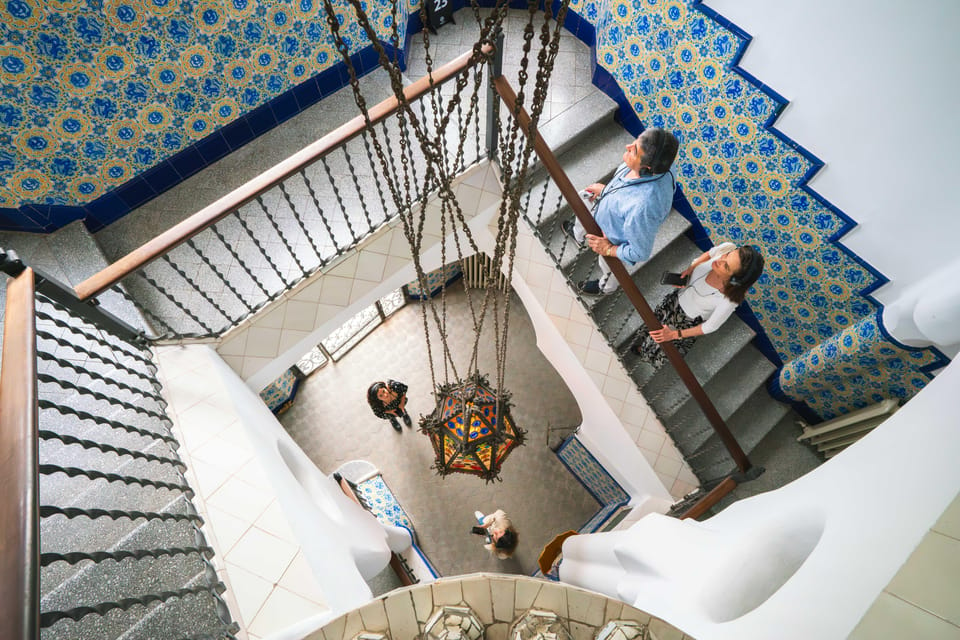
As you walk through the visit, you’ll spend time on the craft details people usually overlook. Expect to see the play of light across surfaces, plus texture-rich elements like trencadís (broken tile mosaics) and wrought iron. Those aren’t just pretty. They help create the building’s character, giving it an almost tactile quality even at a distance.
And because you’re not stuck in a busy queue, you can return your attention when something catches your eye. You might start by noticing a silhouette, then realize later you’re seeing a pattern repeated across ironwork or mosaic fragments.
The Gothic-versus-Modernist mix: what to watch for with your own eyes
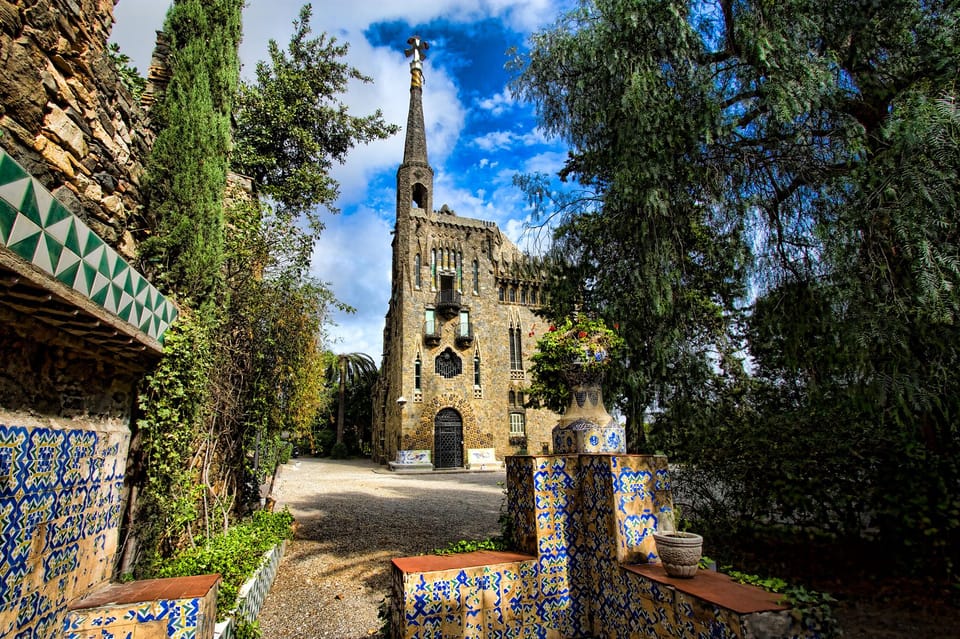
This is the part where a guide really earns their place. The building can look beautiful at a glance, but Gaudí’s effect is deeper when you learn how the components relate.
Here’s what you should actively watch for during the tour:
- Vertical lines and Gothic angles that shape the tower’s presence.
- Modernist curves and expressive forms that soften the look and add motion.
- The way light changes the feel of the surfaces as you move.
- How trencadís brings color and texture without needing bright, flashy painting.
- The rhythm of wrought iron elements, which often feel like they have their own “grammar.”
The symbolism is a big deal here. The visit doesn’t just show you where to stand. It helps you interpret what the design is pointing to. You’ll learn that Bellesguard isn’t only architecture; it’s framed as a journey through time, history, and Gaudí’s imagination.
For me, the best way to experience this section is simple: don’t rush to the next stop. Pick one detail—maybe a mosaic section or an iron pattern—and track it as you move. When you do that, the building stops feeling like a single view and starts feeling like an entire set of conversations between materials, shapes, and light.
Walking the land’s story: bandits, popes, kings, and power struggles
One reason people love Torre Bellesguard is that it’s not only a Gaudí stop. The site is connected to over two thousand years of history, and the tour presents it like a timeline you can walk through.
On this visit, you’ll get a “what happened here” explanation that’s unusual in its range. You’ll hear about characters and events that intersect on this land: biographies connected to bandits, popes, and kings. The story also includes wars, surrenders, and power struggles—so the place feels human, not abstract.
That context matters because it changes how you read the architecture. Instead of seeing it as style alone, you start seeing it as a physical response to the past. The tour description frames Bellesguard as Gaudí using the site’s memory, then layering his own symbolism on top.
If you like history but hate museum lectures that drag, this is a good compromise. You learn while you move through space. And since the group is designed to be unhurried and uncrowded, you can actually absorb what the guide says instead of playing mental catch-up.


The gardens: where medieval remains meet Gaudí’s design
After the architecture, the gardens become the “slow down” section of your visit. This is where the tour adds atmosphere and meaning at the same time.
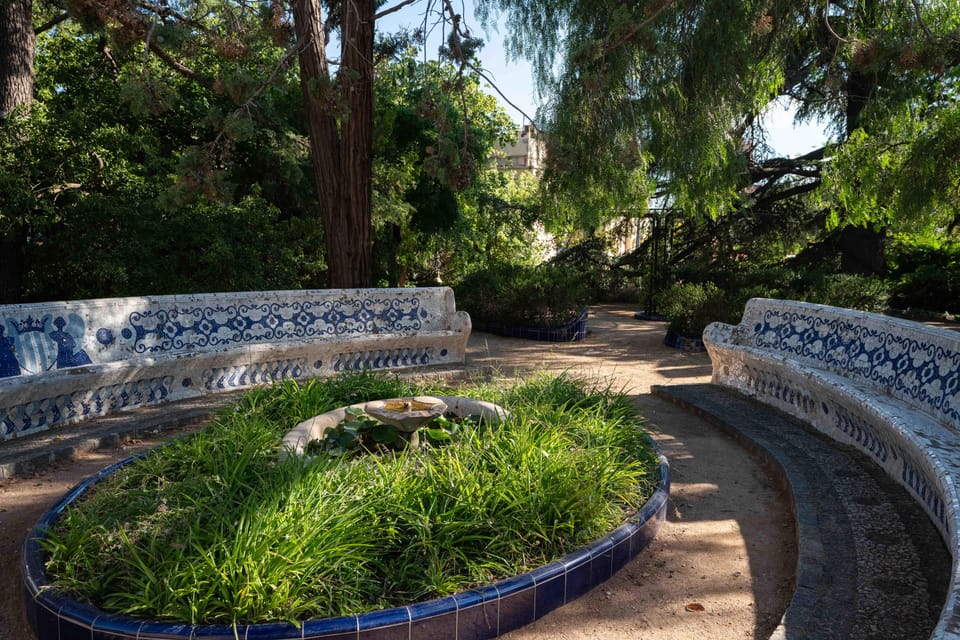
The grounds are described as Gaudí gardens that incorporate remains of the medieval palace of King Martin I. He’s identified as the last king of the House of Barcelona and someone who spent his last years at Bellesguard. That detail is helpful because it gives the garden a concrete connection, not just pretty landscaping.
What’s special is the idea of integration. Gaudí doesn’t erase the earlier palace remains; he restores and incorporates them into his work. In other words, you’re not seeing a garden that’s only decorative. You’re seeing a designed space that’s part historical preservation and part creative reinterpretation.
You’ll also get a sense of peace and silence in the landscaped surroundings. The visit is described as a tranquil experience, and that shows in the way the garden section is positioned in the overall flow. This is a place to stand still, look around, and let the earlier and later layers coexist in your brain.
If you’re a photographer, this is a strong moment too. The gardens give you texture and angles beyond the tower silhouette, and the atmosphere is calmer than the big street-view spots in the center.
Terraces and Barcelona views: the payoff at the end
Most Gaudí sites give you a great view in passing. Torre Bellesguard gives you a planned finish with real space to enjoy it.
The tour ends on the terraces of the Torre Bellesguard, with some of the best views of Barcelona. If you care about photos, this is where you’ll want to linger. The design includes a setting that’s explicitly photo-friendly, and the tranquility of the visit helps you take pictures without awkward timing against a crowd.
Even if you skip camera mode, you’ll still feel the payoff. After a tour that moves between architecture and symbolism, stepping onto a terrace makes the whole experience feel grounded. Barcelona stretches out around you, and you get a sense of how this tower relates to the city rather than sitting in isolation.
It’s also a good moment to review what you learned. If a particular symbol or architectural detail caught your attention earlier, the terrace view helps it sink in. Your brain links the design’s mood to the landscape beyond it.
Price and value: is $23 for a guided 1-hour visit fair?
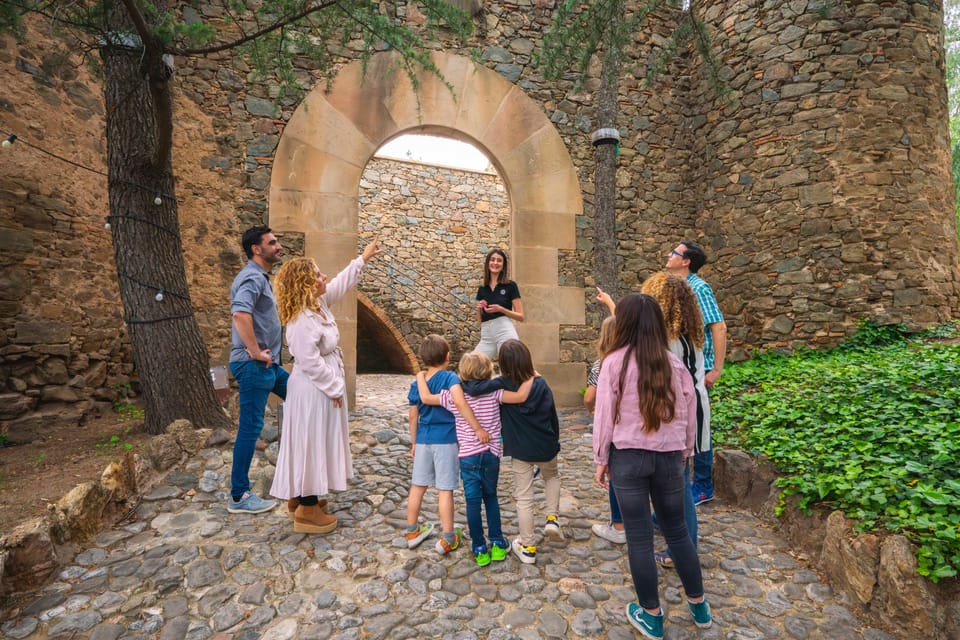
At $23 per person for an entrance ticket plus a 1-hour guided tour, this is priced in a way that makes sense for what you get. You’re paying for two things: access and interpretation.
If you tried to do it solo, you might still enjoy the architecture and gardens. But you’d miss a key part of the value proposition: the tour is built around decoding symbolism and connecting the site to Catalonia’s political and cultural layers. That’s why the guided time matters here. It’s not just narration. It’s help noticing what to look for—like trencadís, wrought iron details, and the half-Gothic, half-Modernist balance.
The other value angle is time efficiency. One hour is short enough to fit into almost any itinerary, even on busy days. And because the visit is designed to avoid queues and crowds, your time is spent where it counts: looking, learning, and enjoying the gardens and terraces instead of waiting.
For Gaudí fans, history lovers, and people who want a calmer Barcelona cultural stop, I’d call this strong value.
Who this Gaudí tour fits best (and who should think twice)
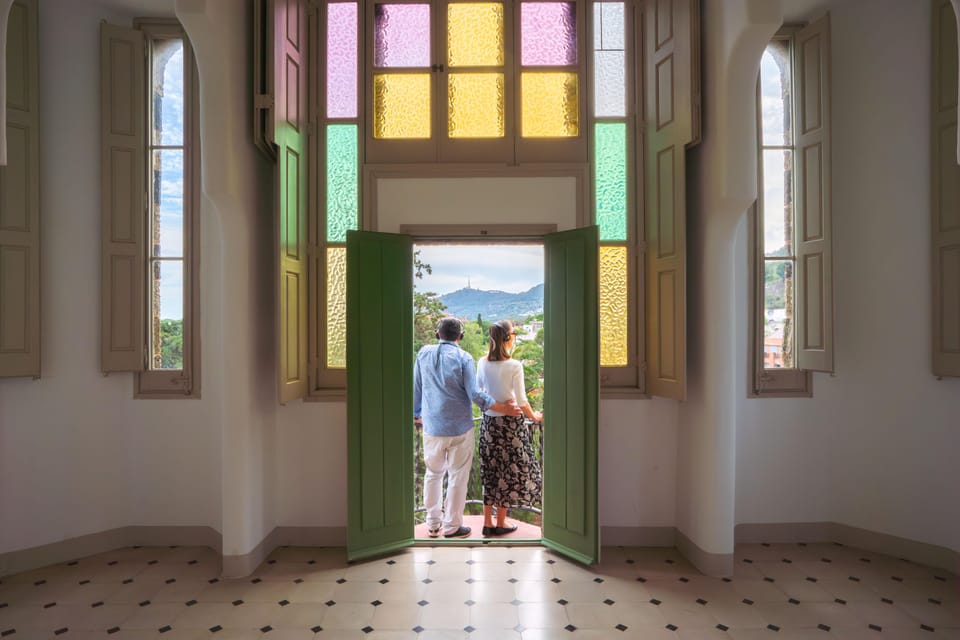
This tour is a great match if you:
- Love Gaudí and want to see a work that feels more personal and lesser-known than the headline sites.
- Prefer architecture that comes with context, symbolism, and clear explanations.
- Want a quieter visit where you can actually see details like trencadís and wrought iron.
- Like gardens that connect art to place, including the remains tied to King Martin I.
- Care about ending with terrace views you can enjoy without fighting a crowd.
It may be less ideal if:
- You have severe disabilities. The experience is not recommended for that.
- You want a long, free-form self-guided wandering session. This is deliberately a guided format with an approximate one-hour duration.
If you’re the kind of person who enjoys learning while you walk, you’ll likely feel the difference quickly. This isn’t a quick “photo and go” stop. It’s designed for attention.
Should you book Torre Bellesguard? My take
I think you should book it if you want a Gaudí experience that feels quieter, more thoughtful, and more specific than the usual big-name route. The combination of a Gothic-meets-Modernist tower, gardens tied to medieval remains, and a guided explanation of symbolism is a powerful mix for the time you spend.
The main reason I’d choose this over another crowded option is the attention-to-detail factor. When you’re not squeezed by lines and crowds, the architecture reads better. And when a guide helps you connect design to history and meaning, the whole place becomes more than a pretty stop.
If you’re sensitive to mobility limitations, double-check suitability before committing. Otherwise, this is a smart, value-forward way to see a side of Gaudí you’re less likely to catch on your own.
FAQ
Where do I meet the guide for Torre Bellesguard?
Meet your guide at the main entrance.
How long is the guided tour?
The tour is approximately 1 hour.
What days is the tour available?
It’s available from Thursday to Sunday.
Which languages are offered?
You can choose Catalan, Spanish, or English.
What’s included in the price?
The price includes an entrance ticket and a 1-hour guided tour.
How much does the tour cost?
The tour costs $23 per person.
Is free cancellation offered?
Yes. You can cancel up to 24 hours in advance for a full refund.
Can I reserve now and pay later?
Yes. You can reserve now and pay later.
Is the visit crowded?
The tour is described as peaceful and exclusive, with no queues and no crowds.
Is this tour suitable for people with severe disabilities?
No. It is not recommended for those with severe disabilities.