REVIEW · BARCELONA
Barcelona & Chocolate Amatller History and Culture + Activity and Tasting
Book on GetYourGuide →Operated by Chocolate Amatller · Bookable on GetYourGuide
Chocolate has a clockwork history here. At Chocolate Amatller in El Born, you’ll learn how the oldest chocolate brand in Barcelona (since 1797) grew into a city icon, then put that story into your hands and your mouth. The 40–45 minute format keeps it focused, not fluffy.
I especially like two parts: the five-senses tasting kit (you’re guided to notice flavors, aromas, and textures) and the hands-on chocolate making with roasted cacao in a heated stone mortar. In one recent experience, the guide Mar was warm and packed with details, and Audrey also helped make the group feel welcome.
One consideration: this is not a good match for nut allergies. The chocolates may contain traces of milk, peanuts, and tree nuts, and the experience is not listed as suitable for people with nut allergies.
In This Review
- Key things I’d prioritize before you go
- Why this Amatller workshop feels like a real Barcelona stop
- The Plaça de les Olles start: where the tour begins inside the shop
- The audiovisual journey: Barcelona of Chocolate Amatller (and why it works)
- The five-senses tasting kit: training your palate in a short time
- Making chocolate with your hands: cacao beans, heat, and a stone mortar
- Hot chocolate the Barcelona way: original formula, cinnamon note
- The gourmet store stop: use it to shop smarter, not harder
- Price, timing, and group size: is $14 actually worth it?
- A few “know before you go” notes that matter
- Should you book Chocolate Amatller?
- FAQ
- Where does the experience start?
- How long is the tour?
- What does it cost?
- What languages are available for the live guide?
- How big is the group?
- What’s included in the experience?
- Do you get to make chocolate?
- Is hot chocolate included?
- Is it suitable for children?
- Is it safe if I have nut allergies?
- Can I cancel after booking?
Key things I’d prioritize before you go
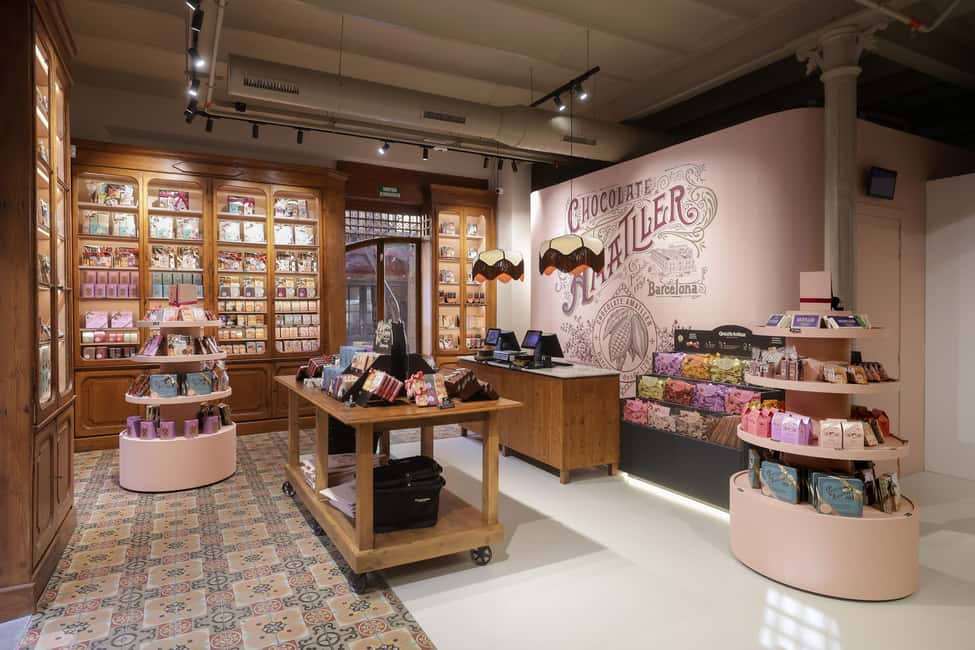
- El Born start point right at Plaça de les Olles, 9, in the shop where the story began
- Five-senses tasting kit that pushes you beyond just good vs. not good
- Hands-on cacao work using a heated stone mortar approach
- Hot chocolate in the original Barcelona style (with a cinnamon note)
- Small group size (max 10) so the guide can actually help while you taste and make
- Free access to the gourmet store for more browsing and tasting after the workshop
Why this Amatller workshop feels like a real Barcelona stop
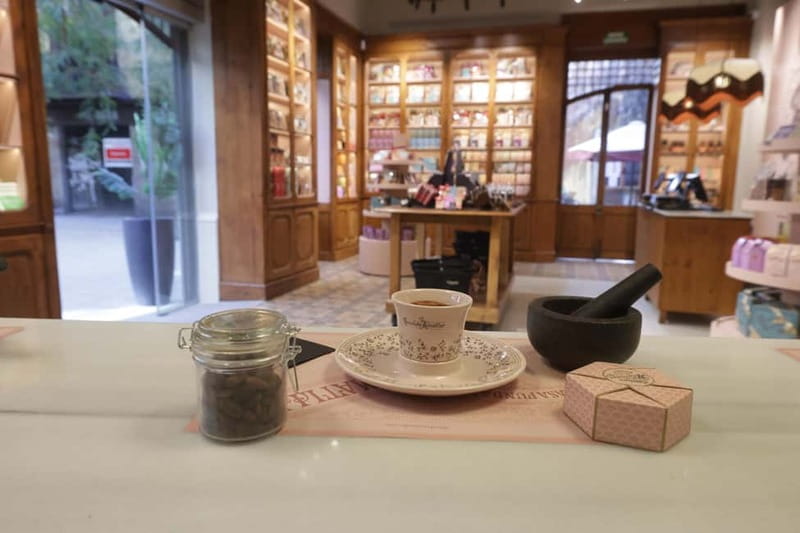
Barcelona has plenty of food tours that end with you buying something you don’t really need. This one is different because it’s built around a compact experience: history + tasting skills + making chocolate. You get a guided path through the brand’s story, then you taste with intention, then you get your hands dirty (in a cocoa-scented way).
The location matters too. You’re in El Born, close to where the brand’s chocolate life started. When a brand can point to its roots in the same neighborhood, it stops being “a themed activity” and starts feeling like local culture. The format is also ideal if you want something sweet that doesn’t swallow half your day.
Price-wise, $14 per person is a smart deal for what you receive: an audiovisual presentation, a tasting kit, an experimental workshop with materials, an original hot chocolate tasting, and free time in the gourmet store with tastings. That’s a lot squeezed into 40–45 minutes, which is great if your schedule is tight.
You can also read our reviews of more food & drink experiences in Barcelona

The Plaça de les Olles start: where the tour begins inside the shop
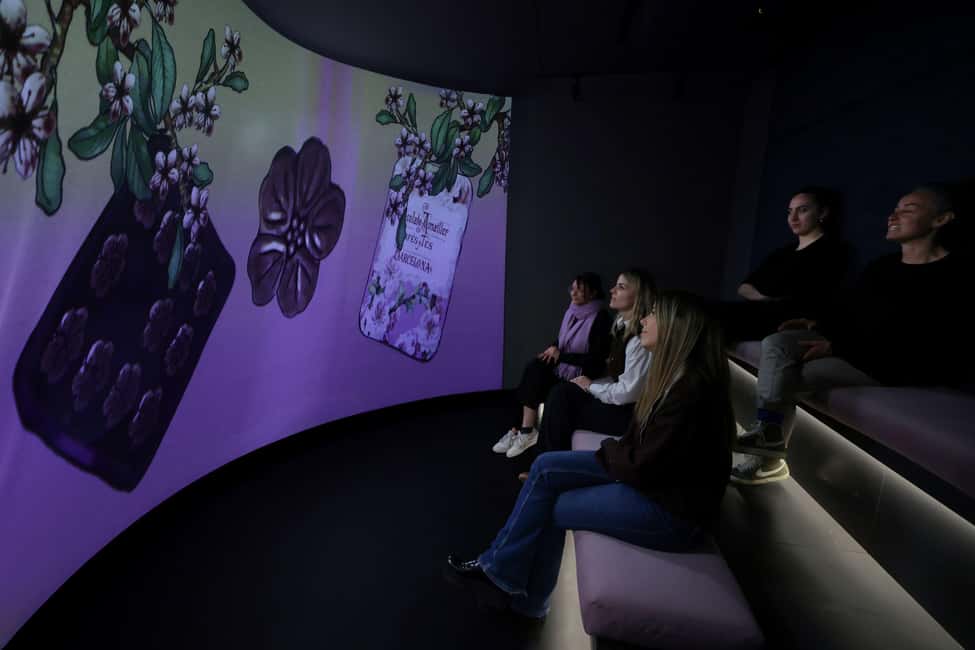
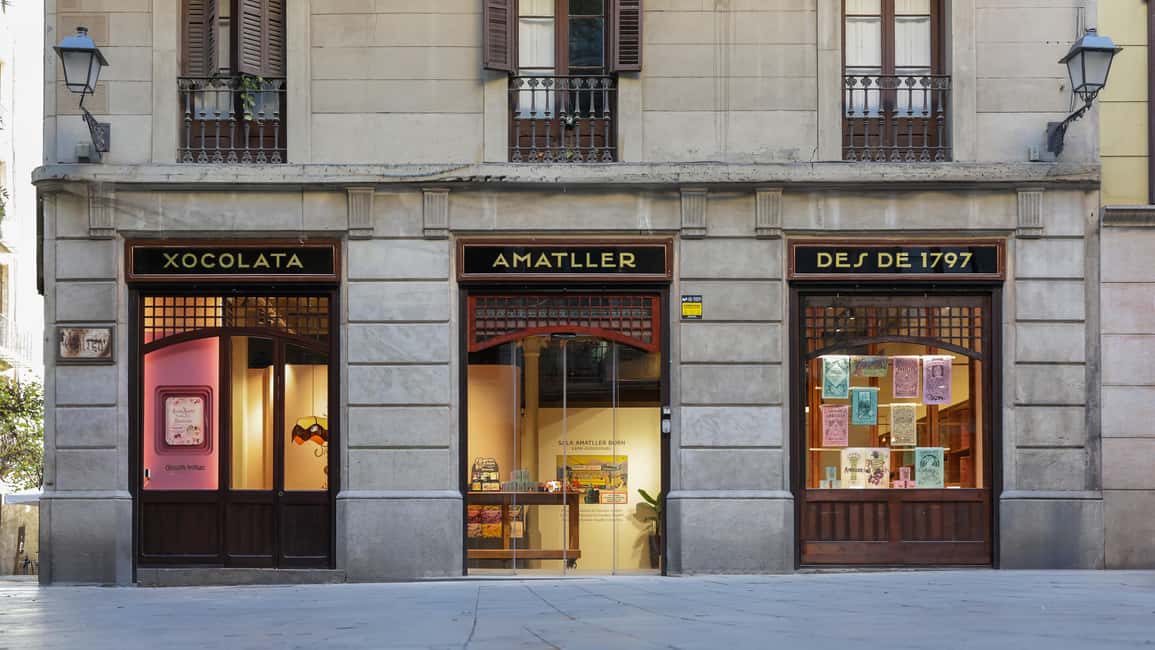
You’ll start by entering directly into the Amatller Chocolate Shop at Plaça de les Olles, 9. This is one of those small details that saves time and stress. No searching for a meeting spot down a side street, no long walk in the rain, no guessing which storefront belongs to the tour.
Because you begin inside, you also get a quick taste of the atmosphere right away: the store layout and the chocolate display set the mood before the presentation starts. If you’re doing this on a busy day in central Barcelona, I’d still arrive a few minutes early so you can settle in, get oriented, and start with the group.
There’s no requirement to bring anything specific listed here—your tasting kit and workshop materials are handled by the experience. Just plan to enjoy being close to chocolate smells and sweetness for the whole session.
The audiovisual journey: Barcelona of Chocolate Amatller (and why it works)
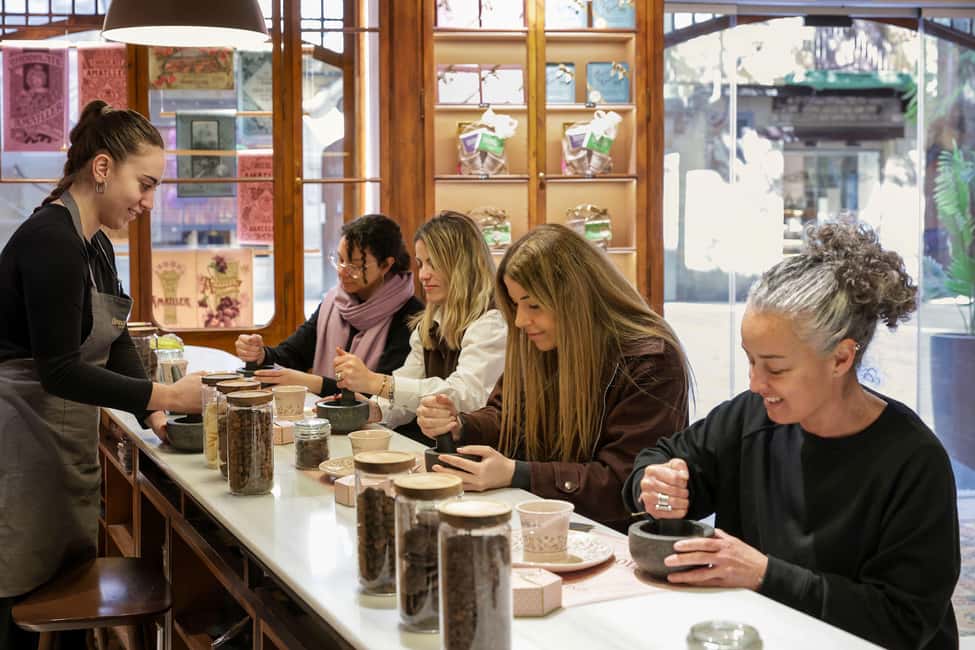
The first big “wow” moment is the audiovisual presentation called Journey to the Barcelona of Amatller Chocolate. You’ll watch a guided story that takes you back to the 18th century and explains where Amatller’s legacy came from and how it became part of city life.
Why I like this approach: it sets a frame so the later tasting doesn’t feel random. Instead of tasting because someone handed you chocolate, you taste because you’ve been told what to notice—like changes in how chocolate was consumed and drunk in older Barcelona.
This is also where you learn the brand’s core identity: Chocolate Amatller is described as the oldest chocolate brand in Barcelona, preserving a legacy since 1797 where art and chocolate show up in the same creations. Even if you’re not a chocolate scholar, that context helps you understand why they take their flavors and traditions seriously.
The five-senses tasting kit: training your palate in a short time
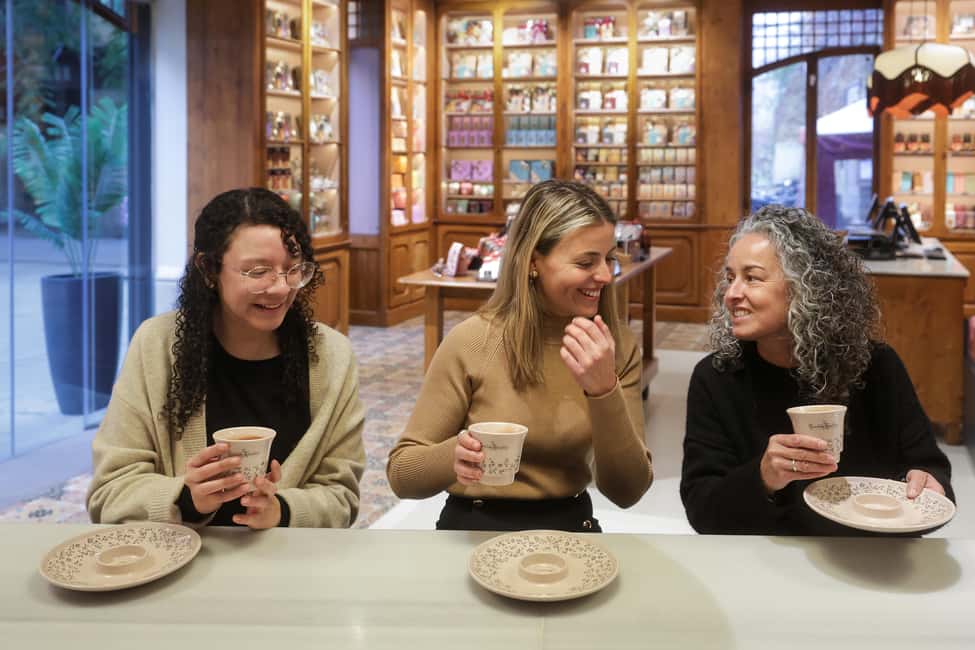
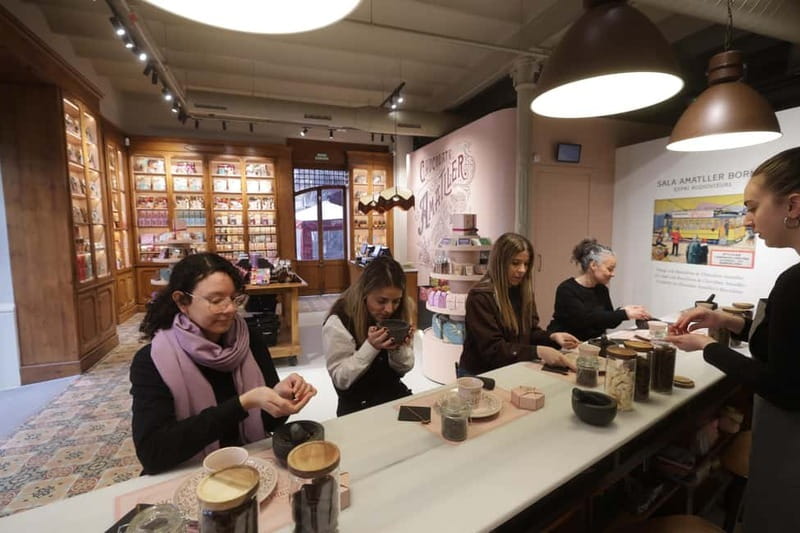
After the presentation, you’ll use a personalized chocolate tasting kit designed for tasting with five senses. The goal is not just to say delicious or not delicious. You’re guided to notice details—aroma, texture, and flavor—so you can put words to what you’re experiencing.
The kit focuses on some of their iconic products, including Flors and Hojas Finas. That matters because it gives you a structured sampling rather than a random buffet. You’re tasting within a theme: how Amatller’s selections differ, and how those differences come across in the mouth.
This is also where I think the experience is a hidden value. Many chocolate tastings in tourist areas are basically “try a couple pieces, move on.” Here, you’re given a method. Even after the tour ends, you’ll likely find yourself noticing things like:
- how sweetness hits first vs. later
- how aroma changes when you let chocolate sit briefly
- the way texture affects flavor perception
If you like learning through doing, this part is the one that turns a snack into an experience.
Making chocolate with your hands: cacao beans, heat, and a stone mortar
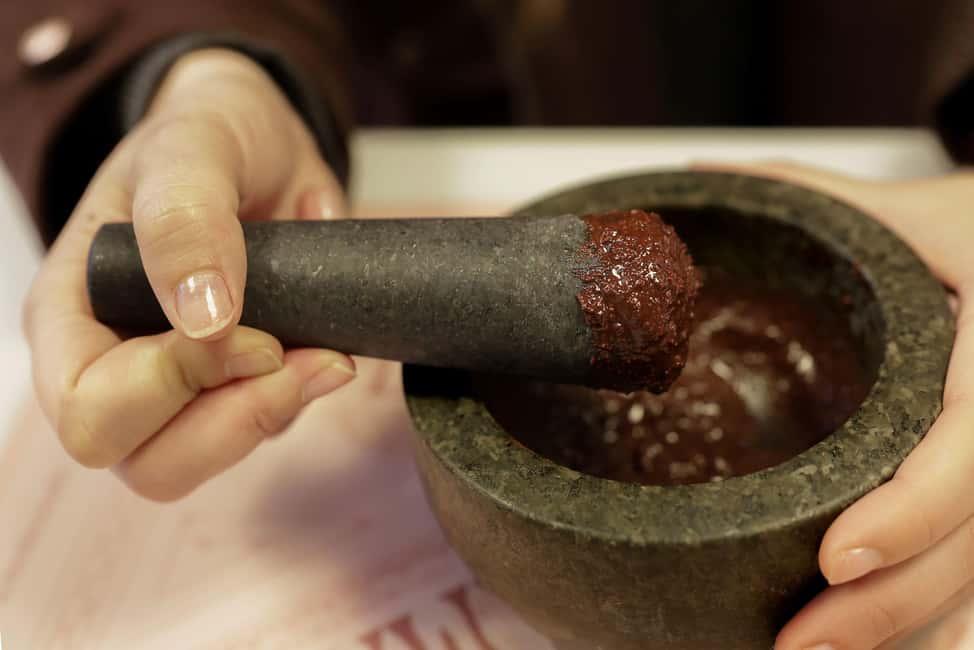
Next comes the workshop part: elaboration of cocoa with your own hands. You’ll work in the style that connects back to earlier processes (they describe it as how Gabriel Amatller did it in the 19th century). One recent standout detail from an experience is making chocolate using roasted cacao beans in a heated stone mortar.
That might sound technical, but it’s actually the best kind of hands-on activity: tactile, sensory, and easy to understand. You’re not only watching chocolate transform—you’re participating. Grinding and handling cacao turns chocolate from a packaged product into something you can relate to.
A key takeaway from the workshop approach is the reminder that chocolate wasn’t always the candy bar world we know today. One person found it eye-opening that chocolate was originally just cacao and sugar. Even if you already suspected that, seeing it explained in the context of the making process makes it stick.
This is also where guides really help. With a small group, you get personal coaching on what you’re doing, and you can ask questions without feeling rushed.
You can also read our reviews of more historical tours in Barcelona
Hot chocolate the Barcelona way: original formula, cinnamon note
You don’t just taste solid chocolate here. The experience also includes an original Barcelonese style hot chocolate tasting. Based on the details provided, it can include a cinnamon element, which is a nice shift from plain hot chocolate and makes the drink feel like something made for this brand, not a generic café sample.
Why hot chocolate belongs in the middle of this tour: it helps connect chocolate to how it functioned socially in the past. The experience description also says you’ll be transported to earlier consumption habits—how chocolate was consumed and drunk in 17th-century Barcelona—and then tasted in a way that matches that original formula.
If you’re usually a milk chocolate person, this can be a good “conversion” moment. In one experience, dark chocolate wasn’t too sour and ended up being a favorite. That’s exactly what I’d hope for: not turning you into a dark-chocolate purist overnight, but broadening what “good” chocolate can taste like.
The gourmet store stop: use it to shop smarter, not harder
After the workshop, you get free access to the gourmet store where you can continue discovering and tasting the brand’s emblematic collections.
This is a great way to avoid the classic ending of tours where you’re forced to buy immediately. Here, you can linger, compare flavors, and decide what you actually want rather than buying because it’s “the right souvenir.”
Practical tip: if you buy anything, buy what you tasted. The kit and tastings give you a baseline, so you’ll be less likely to grab something that sounded interesting but doesn’t match your preferences.
If you’re traveling with people who aren’t thrilled by workshop style activities, this store time can also be a nice compromise. You still get the history and making, but you can choose how long you spend browsing afterward.
Price, timing, and group size: is $14 actually worth it?
At $14 per person for 40–45 minutes, I think the value is strong—especially because you’re not just sampling. You’re also learning how to taste and you’re doing a hands-on cacao process.
A few details make it feel more fair:
- Small group size (limited to 10), which helps you keep up and get help
- Skip the ticket line, so you waste less time waiting
- Multiple components (video, tasting kit, making workshop, hot chocolate, store tastings)
Timing is also a plus. Forty-five minutes is long enough to feel like you did something, but short enough that you can still move on to other sights that same day.
Who it suits best
- You want a structured chocolate experience with real guidance
- You like history, but only when it’s tied to food and taste
- You enjoy hands-on activities more than “stand and watch” tours
- You’re in El Born already and want something compact and central
Who should skip
- You have nut allergies (and the experience notes the products may contain traces of milk, peanuts, and tree nuts)
- You need an approach designed for visually impaired people (the experience is not listed as suitable for that)
- You’re going with very young kids (it’s not suitable for children under 5)
A few “know before you go” notes that matter
A couple of practical points can save you stress:
- No audio recording is allowed.
- Pets are not allowed, but assistance dogs are allowed.
- There’s live guidance in English, Spanish, and Catalan.
- It’s wheelchair accessible, but it’s not suitable for visually impaired visitors per the notes you’re given.
Also plan for a chocolate-scented, sweet environment. If you’re sensitive to smells or sweetness, you may want to time this earlier in your day rather than right after a heavy meal.
Should you book Chocolate Amatller?
I’d book it if you want a short Barcelona activity that actually teaches you how to taste and not just what to taste. The mix of the audiovisual story, the five-senses tasting kit, and the hands-on cacao making is exactly the kind of “culture you can experience” that’s worth your time.
I wouldn’t book it if you’re dealing with nut allergies, or if you’re looking for a purely sightseeing-based stop. In those cases, the tasting and making components are the whole point—and that point comes with allergy constraints.
If your day includes El Born, this is one of those rare experiences where you can justify the price because you’re getting multiple parts of the chocolate world in one tight session.
FAQ
Where does the experience start?
It starts at Plaça de les Olles, 9. You enter directly into the Amatller Chocolate Shop.
How long is the tour?
The experience lasts about 40 to 45 minutes.
What does it cost?
The price is listed as $14 per person.
What languages are available for the live guide?
The live tour guide is available in English, Spanish, and Catalan.
How big is the group?
The group is limited to 10 participants.
What’s included in the experience?
You get the audiovisual presentation, a chocolate tasting kit, an experimental workshop with materials, an original Barcelonese style hot chocolate tasting, and free access to the gourmet store with tasting.
Do you get to make chocolate?
Yes. You’ll take part in an experimental workshop where you elaborate cocoa with your own hands.
Is hot chocolate included?
Yes, the experience includes tasting the original Barcelonese style hot chocolate.
Is it suitable for children?
It’s not suitable for children under 5 years old.
Is it safe if I have nut allergies?
It’s not suitable for people with nut allergies, and the chocolates may contain traces of milk, peanuts, and tree nuts.
Can I cancel after booking?
Free cancellation is available up to 24 hours in advance for a full refund.