REVIEW · BARCELONA
Sagrada Familia Guided Tour with Skip-the-Line Entry Ticket
Book on GetYourGuide →Operated by MónGaudí · Bookable on GetYourGuide
Sagrada Familia changes how you see light. This skip-the-line guided visit uses Gaudí’s symbolism and Catalan context to turn a famous building into something personal, from ALFA & OMEGA details to the story behind the façades. I also like how you’re guided to look up and then look closer, so the time in the basilica feels focused instead of random.
One thing to plan around: tower access isn’t included, so if you’re hoping for panoramic views from the top, you’ll need a separate plan.
In This Review
- Key things to know before you go
- Why Sagrada Familia’s light-and-shadow story matters
- Getting in fast: skip-the-line entry through Access A
- Gaudí, Catalonia, and the human side behind the stone
- Nativity façade stop: first meanings before you walk through
- Inside the basilica: construction phases from 1882 to near 2033
- Looking for ALFA & OMEGA and other iconography details
- Schools, museum, and the “work” side of the project
- What’s missing: no tower access and a strict dress code
- How the free time works at the end
- Who this guided tour is best for
- Is the $81 price a good value?
- FAQ
- FAQ
- Where do we meet for the tour?
- How long is the Sagrada Familia guided tour?
- Is tower access included?
- What’s the dress code inside?
- What languages are the guided tours offered in?
- Is the basilica tour wheelchair accessible?
- Should you book this Sagrada Familia guided tour?
Key things to know before you go
- Skip-the-line entry through a separate entrance so you lose less time queued outside.
- Catalan storytelling connects Gaudí’s art to the origins of Catalonia, not just a one-man biography.
- Light-and-shadow focus helps you understand why the basilica feels different at different moments of day.
- Iconography walkthrough includes moments like searching for ALFA & OMEGA and tracing symbols on the stone.
- Construction timeline on-site covers the build from 1882 to today, with future completion targeted around 2033.
- More than the main church: you also visit the schools area for the workers’ kids and the church museum.
Why Sagrada Familia’s light-and-shadow story matters
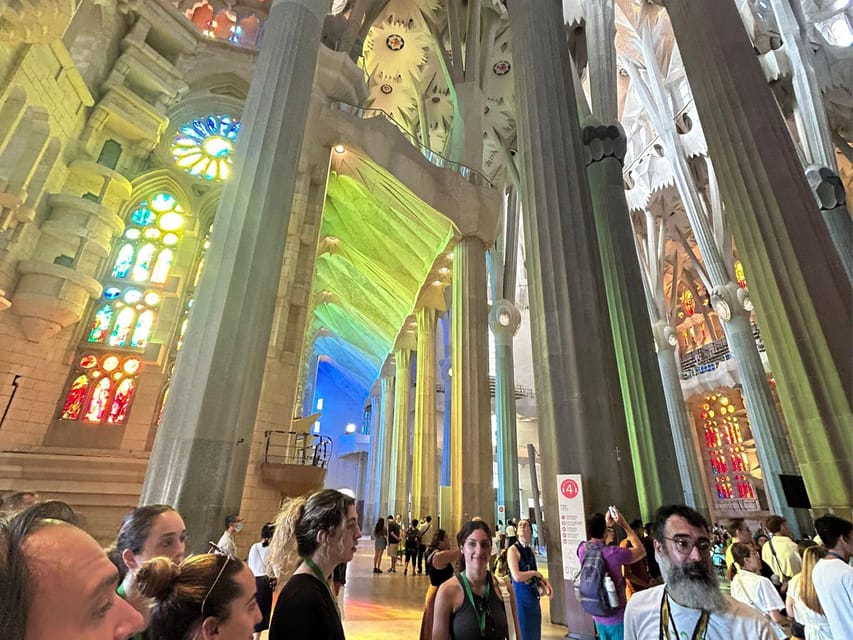
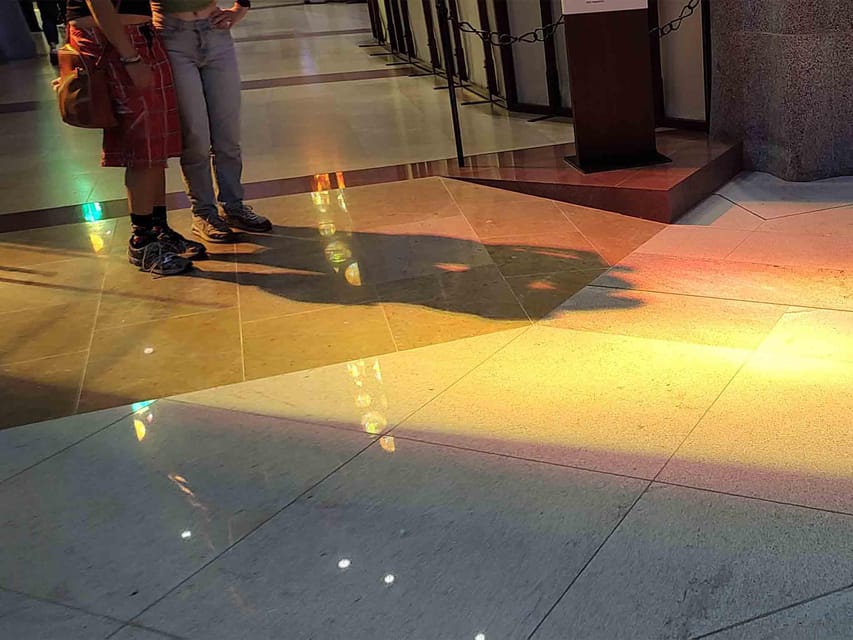
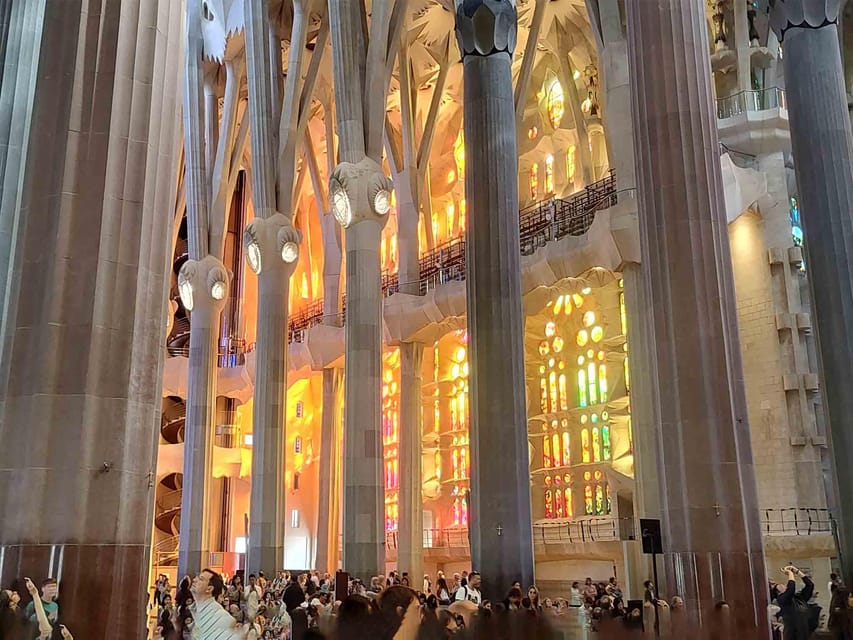
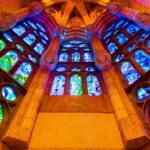
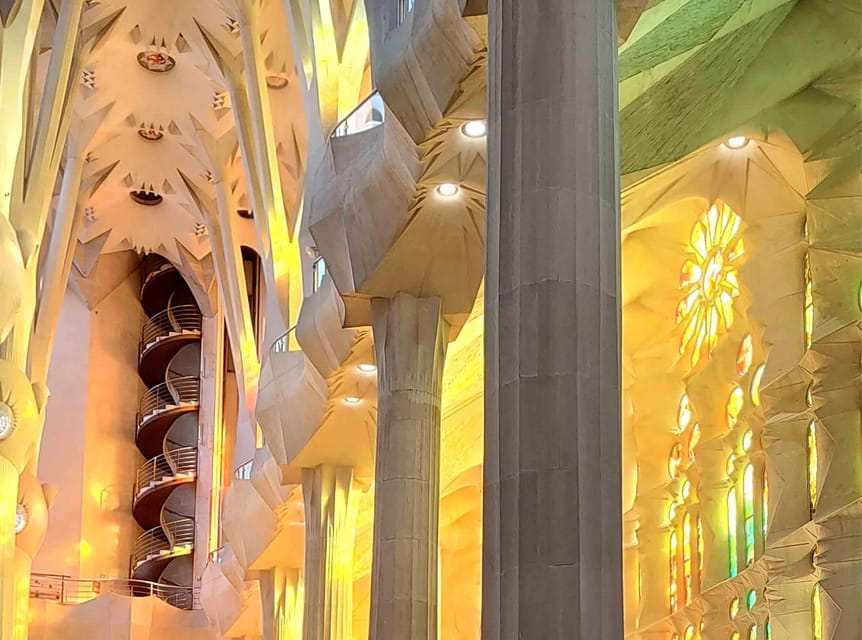
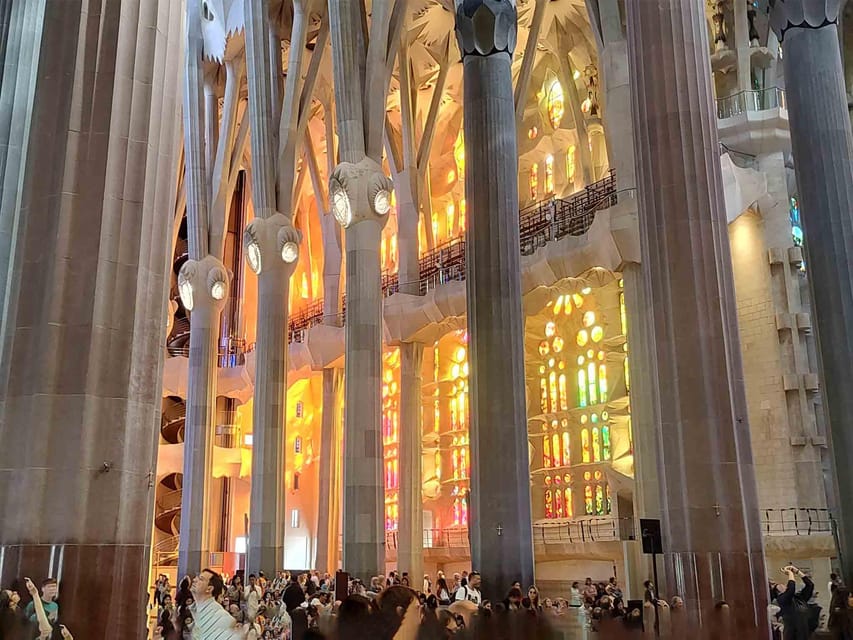
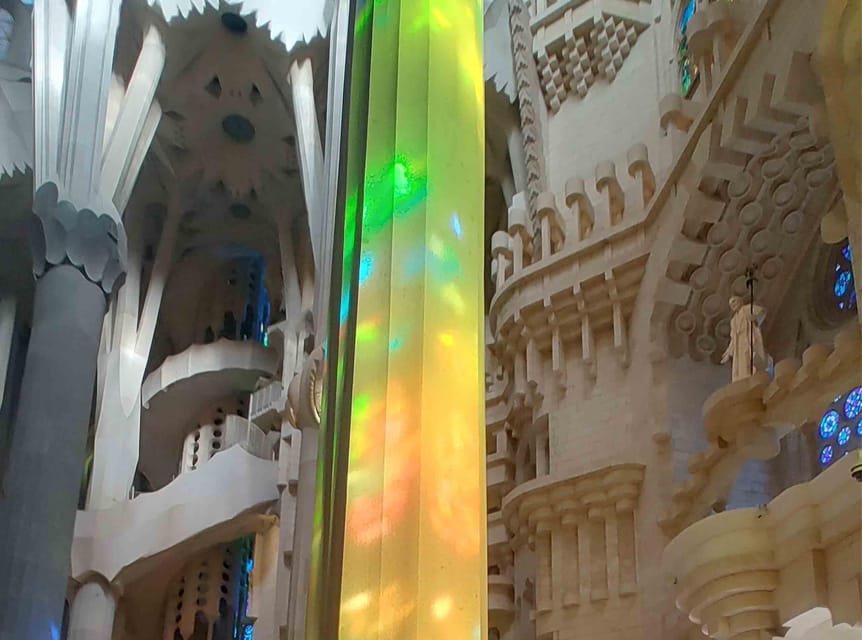
At Sagrada Familia, the walls and ceilings do a strange trick: they make you think about faith, science, art, and daily human effort all at once. The guide frames the basilica as a place where light is part of the design, not just something that happens to be there. You’ll hear how Gaudí tried to reorganize light and shadow so the building feels like it’s telling a deeper truth.
What I like about this tour is the balance between big ideas and specific things to notice. You’re not left staring at a ceiling hoping it clicks. Instead, you’re directed to the building’s “why” through symbolism, iconography, and the way the interior shape affects sound and atmosphere.
There’s also a smart promise buried in the description: you’ll see the genius, but you’ll also meet the human side of the project. That comes through in stops that aren’t only about statues and dates.
You can also read our reviews of more tours and experiences in Barcelona
Getting in fast: skip-the-line entry through Access A
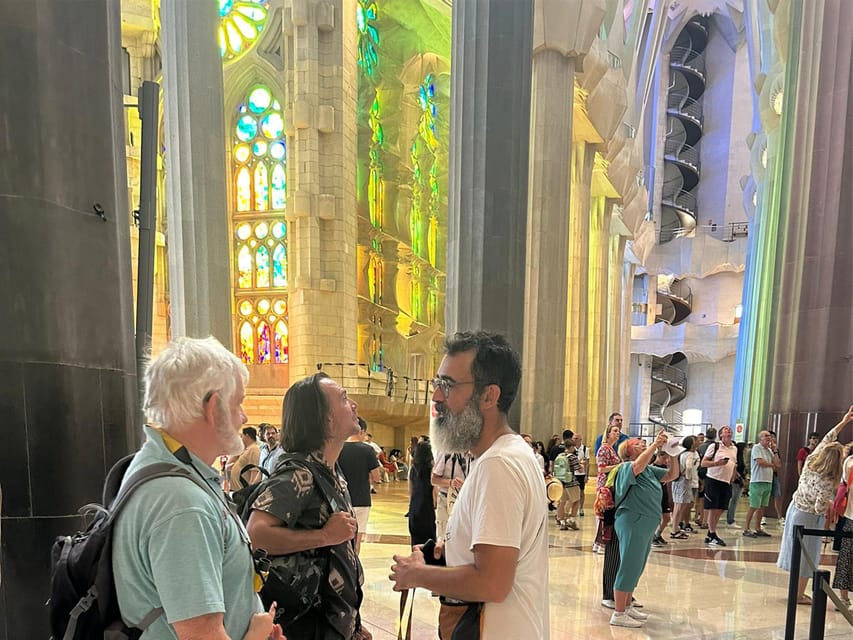
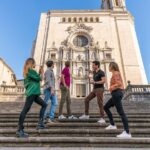
Meeting matters with Sagrada Familia, because the area around the basilica can feel like organized chaos. You meet outside the official Sagrada Familia souvenir shop, next to Access A (group entrance). The tour staff will be holding a sign with the MónGaudí logo, so use that as your anchor.
The wording about a white-bearded guide is a good clue, but it’s not something to rely on as your only “find me” method. A safer tactic is simple: scan for the group sign first, then match the guide’s face and outfit.
Inside, this is built around priority and fast entrance. That means you start your guided walk without spending half your 1.5 hours stuck outside. For a building this dense with details, saving time at the start is real value.
Gaudí, Catalonia, and the human side behind the stone
This is not just a tour that says Gaudí did something brilliant and stops there. You get a Catalan guide who helps connect the basilica to the broader story of Catalonia—its identity, its culture, and how Gaudí’s world shaped what he created.
You’ll also hear a theme that shows up in the highlights: escaping the idea of only genius and meeting the human. That’s important, because Sagrada Familia can otherwise feel like an untouchable museum piece. The guide’s approach brings it back to everyday life—materials, work, community, and the long timeline of building.
If you’re the kind of person who likes guides who tell stories instead of reciting facts, keep an eye out for guides with names like Roberto, Marc, Ricardo, Matthew, Moran, Robert, or Albert/Alberto—those names have come up in past experiences. Even when the personality differs, the goal is consistent: you should leave understanding the symbolism and the people behind it.
Nativity façade stop: first meanings before you walk through
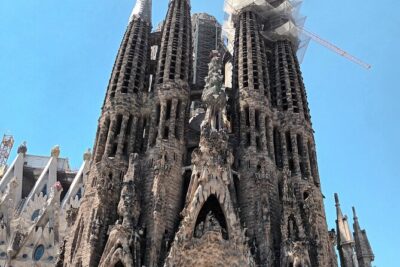
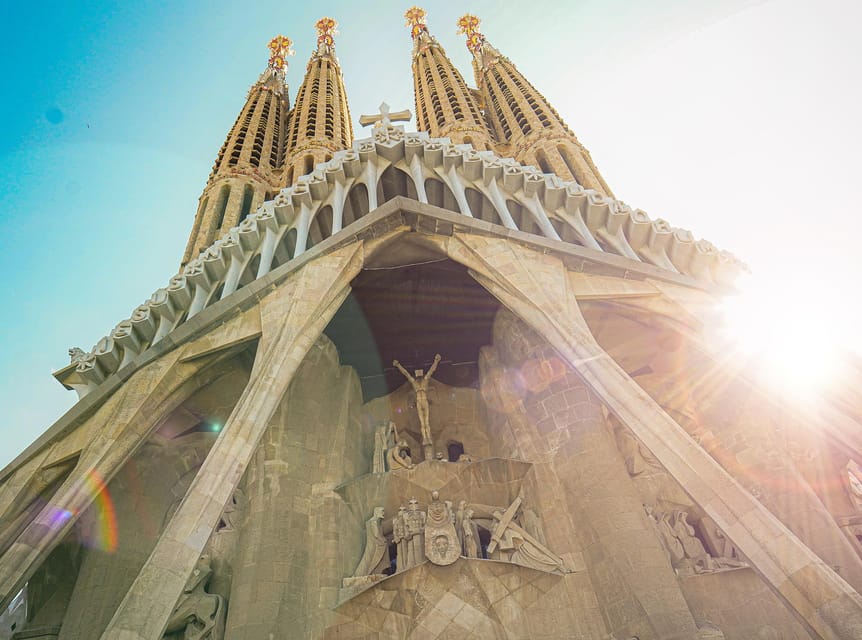
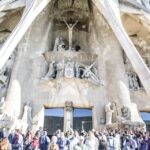
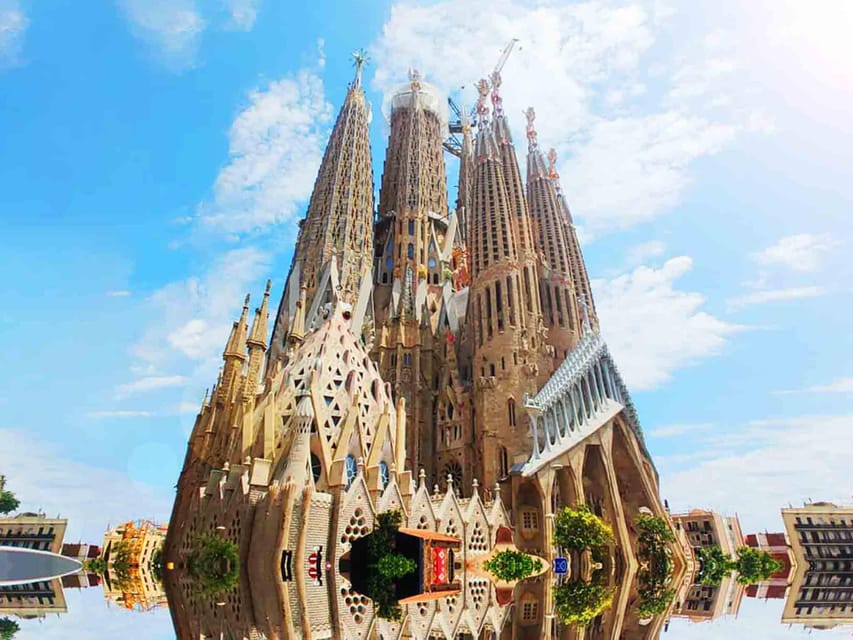
The visit starts at the Façana del Naixement (Nativity façade). This is the part where you get your visual vocabulary. Before you’re overwhelmed by the interior, you’ll learn how the façade connects to the basilica’s overall message and how the next stages of the tour fit together.
Then you move toward entry through the main doors associated with the Charity portal. The tour description points out that this is an entrance moment that wasn’t always available in the same way in the past, and it becomes part of the experience rather than just a route to get inside.
This early section is also where the guide helps you set the right pace. You’ll be told what to watch for, so the basilica doesn’t feel like a blur of stone. If you arrive expecting only Gaudí sketches and general admiration, the Nativity façade stop gives you something more useful: specific reasons to look.
Inside the basilica: construction phases from 1882 to near 2033
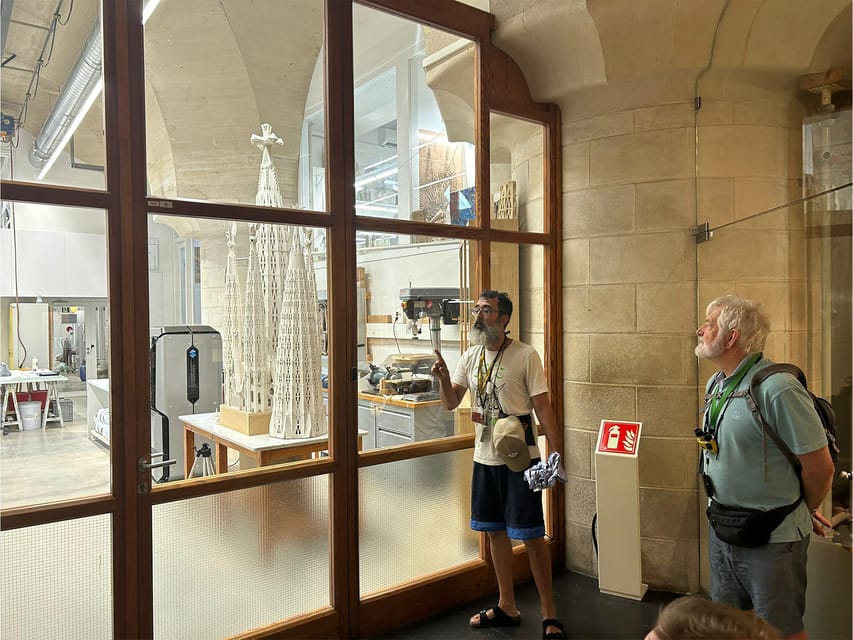
Once you’re inside, the tour shifts from exterior storytelling to interior orientation. You’ll be guided through the different phases of construction, anchored to the timeline from 1882 to the present day, and the future completion target around 2033.
That “time travel” element is one of the strongest values here. Sagrada Familia isn’t a finished building you can “check off.” It’s a live project. By walking through how the structure has grown, you understand why certain sections look the way they do and why the building feels both ancient and modern.
The guide also points out how the basilica organizes sound and light. Even if you don’t remember every technical term, you’ll feel the building’s logic in your body: spaces channel attention upward, and the interior experience becomes less about sightseeing and more about perception.
You’ll also get that inevitable moment where you start hunting for details. The guide helps you find them. Without that, many people just wander and miss the connections.
You can also read our reviews of more guided tours in Barcelona

Looking for ALFA & OMEGA and other iconography details
Sagrada Familia’s popularity is its downside: it’s easy to see it as an Instagram checklist. This tour pushes past that with iconography and symbolism, including a guided moment to search for ALFA & OMEGA.
That’s the kind of detail that changes how you read the building. Instead of looking at carvings as decoration, you start treating them as a language. You’re learning not only what the symbols are, but also why they’re placed where they are.
You’ll also hear about how different parts of the basilica connect to the building’s overall narrative—so when you stand in a specific spot, it makes sense rather than feeling random. If you’re the type who loves puzzle-solving, you’ll enjoy how the guide turns the building into clues.
And because the tour runs through the key façades—starting with Nativity and ending with Passion façade—you’re effectively seeing the story move from outside in, then out again.
Schools, museum, and the “work” side of the project
One of the most interesting parts comes near the end: the tour includes the Sagrada Familia schools area, described as the place connected to the kids of the workers. This is where the basilica stops being only a religious monument and becomes a real human project tied to education, labor, and community.
You then visit the Museum of the Church of the Sagrada Familia. In a place like this, museums can either feel like a detour—or like the missing piece. Here, the museum stop matters because it helps you connect what you’re seeing in stone with the broader process behind the build.
The tour also passes by the Parròquia Sagrada Família i Cripta (you won’t spend all your time there, but it’s part of the route), giving you a fuller sense of how the site functions beyond the main highlights.
If you’re a visitor who wants context you can carry home, this stop combination—schools plus museum—gives you the “how did this all happen?” story, not just the “what is beautiful” story.
What’s missing: no tower access and a strict dress code
Let’s be blunt. Tower access isn’t included, even though people often assume it is when they hear “Sagrada Familia” and “guided.” If tower views are a priority, check other ticket options before you book anything.
Also, Sagrada Familia enforces a dress code: sleeveless shirts aren’t allowed, and shoulders must be covered. Plan simple, practical clothing. This is one of those rules that’s easy to ignore until you’re standing in front of the staff deciding what you can and can’t enter with.
Finally, expect a lot of upright time. The tour is only 1.5 hours, but you’ll be standing and walking through multiple interior and exterior points. If you move slowly or need frequent breaks, go in with a flexible mindset and choose the earliest time slots that feel easiest for your body.
How the free time works at the end
You do get free time after the guided portion, still within the basilica area. The tour ends back at Sagrada Família, and the guide offers options during that open window.
This is useful because it lets you switch modes. During the guided part, you’re looking for cues and explanations. During free time, you can slow down, choose your favorite interior angles, and take photos without feeling like you’re missing the next “must-see” point.
The trick is to not sprint. Give yourself a short calm moment where you just look up, then return to whatever detail caught your attention during the guided stops.
Who this guided tour is best for
This works especially well if you fall into one of these camps:
- You want meaning, not just visuals—especially symbolism and iconography like ALFA & OMEGA.
- You like a guide who tells a cohesive story about Gaudí and Catalonia, not only dates and names.
- You prefer a small-group feel (private or small groups are available), where questions can actually happen instead of getting lost.
It’s also a good fit if you’re visiting for the first time and feel overwhelmed. The tour structure helps you avoid the common “I saw everything but understood nothing” problem.
If you only care about climbing towers and getting the widest possible views, you might find yourself disappointed because the tour doesn’t include tower access. In that case, combine this tour with a separate ticket for the towers if that’s your goal.
Is the $81 price a good value?
At $81 per person for about 1.5 hours, the best way to judge value is what you get for the time pressure. You’re paying for three things that matter at Sagrada Familia: a licensed guide, a skip-the-line entry ticket, and a route that covers multiple key spaces beyond just the main interior.
You also avoid the cost of “DIY learning” where you buy a general audio guide and still miss the symbolism thread. If you’re the type who likes to understand why things are placed the way they are—facades, portals, symbols—this price can feel fair fast.
If you’re the type who just wants quick photos and you’re comfortable reading interpretive signs on your own, you might decide this is extra. But if you want the building to click, the guide-led focus is what you’re really paying for.
FAQ
FAQ
Where do we meet for the tour?
Meet outside the official Sagrada Familia souvenir shop, next to Access A (group entrance). Look for the guide holding a prominent MónGaudí sign.
How long is the Sagrada Familia guided tour?
It lasts about 1.5 hours.
Is tower access included?
No. Tower access is not included with this experience.
What’s the dress code inside?
Shoulders must be covered. Sleeveless shirts are not allowed.
What languages are the guided tours offered in?
The live tour guide is available in English, Catalan, French, and Spanish.
Is the basilica tour wheelchair accessible?
Yes, it’s listed as wheelchair accessible.
Should you book this Sagrada Familia guided tour?
Yes, if you want more than a quick pass through a famous church. Book it for the skip-the-line entry, the guide-led focus on symbolism and iconography, and the extra stops like the schools and the church museum. You’ll likely enjoy it most if you like learning how light, sound, and design work together inside Gaudí’s masterpiece—and you’re okay with the tradeoff that tower access isn’t included.