REVIEW · BARCELONA
Mon St Benet Self Guided Medieval Experience
Book on Viator →Operated by Mon St Benet · Bookable on Viator
Medieval life, minus the crowds. This self-guided Sant Benet de Bages experience lets you walk a 1,000-year-old monastery outside Barcelona at your own pace, with an included audioguide and a museum-style audio route. You’ll move through the church, cloister, wine cellar, and monastery cells, while the site’s natural grounds do their part in setting the mood.
I especially like two things. First, the explanations feel built for an easy walk: the audio/video moments activate on their own, so you’re not constantly tapping and checking your phone. Second, I like the mix of time periods, with the medieval monastery sitting just a few meters from an international culinary research centre, plus restaurants and shops on site.
One consideration: plan for a 1 hour (approx.) visit. If you love to linger in every corner, this might feel a bit timed, so give yourself a little extra buffer once you’re done with the official route.
In This Review
- Key takeaways before you go
- Món Sant Benet: a medieval monastery a short step from Barcelona
- Price and what you get for $18.51
- How the self-guided audioguide works along the route
- Stop inside the church: where the monastery’s daily world begins
- Cloister walk: quiet stone, practical routine
- Wine cellar: monastic work you can almost hear
- Montserrat gallery cells: artifacts across a thousand-year timeline
- Beyond the medieval walls: culinary research centre, restaurants, and shops
- Timing, pacing, and who this one-hour route fits
- Practical tips for making it feel effortless
- Should you book this self-guided medieval experience?
- FAQ
- How long is the Mon St Benet self-guided medieval experience?
- Is the audioguide included in the ticket price?
- Is transportation to and from the monastery included?
- Is this experience truly self-guided?
- Do I need a printed ticket?
- Where is the monastery located?
- Is the experience suitable for most people?
- How many people are in the group at most?
- What is the cancellation policy?
Key takeaways before you go
- Automatic audio prompts: The explanations turn on by themselves as you follow the route, which makes the whole experience feel friction-free.
- Church, cloister, cellar, cells: You’re not just looking at one room; the route links multiple monastery spaces that shaped daily life.
- 1,000 years of monastery life, staged as a production: Expect a guided-feeling mix of voices, everyday sounds, and past images inside the old walls.
- Short, well-paced visit: At about an hour, it’s a practical stop that won’t steal your entire day.
- Old monastery meets modern food science: The culinary research centre and on-site dining/shopping add a real-world present to the medieval setting.
Món Sant Benet: a medieval monastery a short step from Barcelona
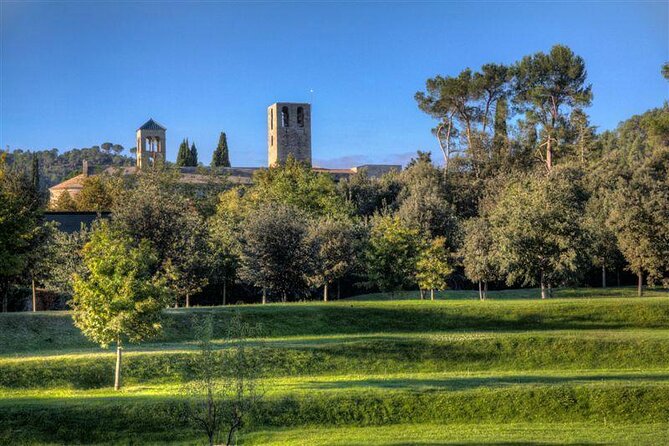
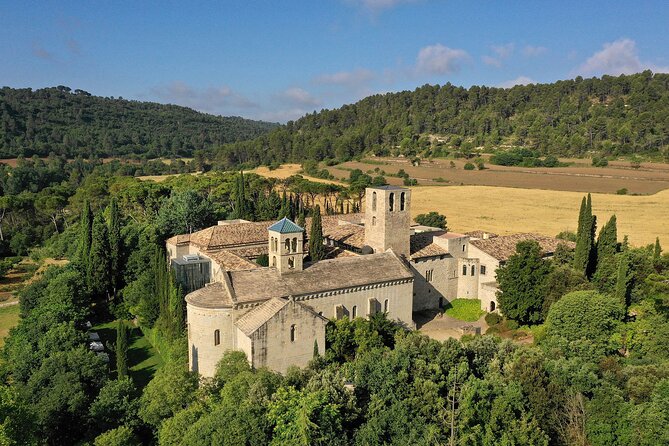
Món Sant Benet de Bages is set just outside Barcelona, in natural surroundings that make the site feel like more than a quick photo stop. The core of the experience is a medieval monastery complex, but it’s presented in a way that connects history to everyday routines—how people lived, worked, and prayed over centuries.
What makes it work well is the scale. You’re walking a defined route through the main monastery features, and the audioguide keeps you oriented. That means you can get something meaningful without needing a big group, a meeting point, or a waiting line for a guide.
Also, the site doesn’t feel frozen in time. Modern additions—an international culinary research centre, restaurants, and shops—sit right alongside the monastery complex. If you like your history with some present-day context (and somewhere to grab food after), this matters.
You can also read our reviews of more guided tours in Barcelona

Price and what you get for $18.51
At $18.51 per person, this is priced like a focused cultural ticket rather than a long, multi-hour guided day. You’re paying for a self-guided route that includes an audioguide, taking you through several key parts of the monastery and the museum production style storytelling.
Is it “cheap”? Not really. But it also isn’t trying to be a full-day tour. For the value, the important part is what the ticket includes: an audio experience that guides you through the church, cloister, wine cellar, and cells in the Montserrat gallery, plus artifacts connected to the monastery’s 1,000-year timeline.
So the best way to think about the price is this: it’s a good fit if you want an independent stop that still feels guided, and you don’t need transportation or meals. If you’re hoping for a slow, hours-long wander with extra time in every room, you may wish it lasted longer.
How the self-guided audioguide works along the route
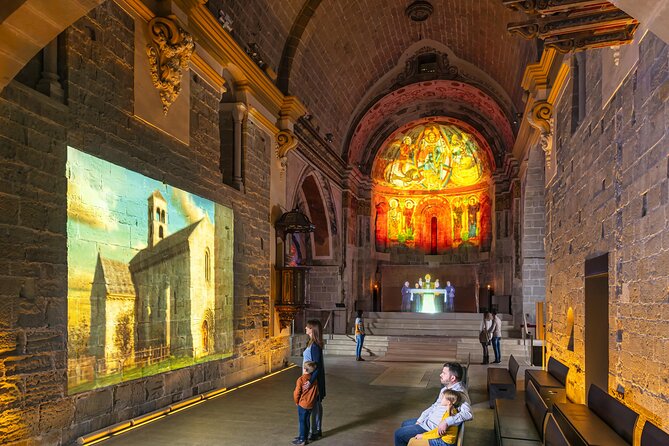
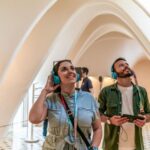
This is a mobile ticket experience, and once you’re there, the main “guide” is the audioguide included with your admission. What impressed me most (and what you’ll want to plan around) is how the presentation is designed so the story stays aligned with your walking route.
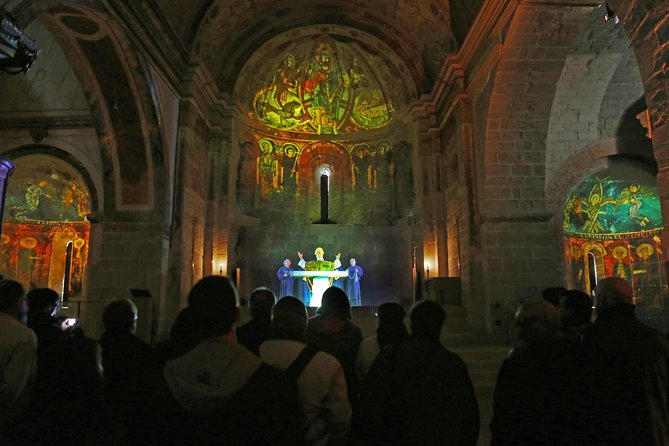
You can expect a route that feels like a museum production called One thousand years of sensations. The concept is simple: inside the monastery walls, voices, everyday noises, and past images appear as part of the experience. That helps you connect physical spaces—like the church and cloister—to the routines that would have happened there.
The practical payoff: you’re not stuck reading signs the whole time. One of the best notes from the experience is that the explanations activate automatically, with videos that feel chosen and complete without dragging on. That’s a big deal for a one-hour visit, because it prevents the usual problem of audioguides turning into a slow shuffle.
Stop inside the church: where the monastery’s daily world begins
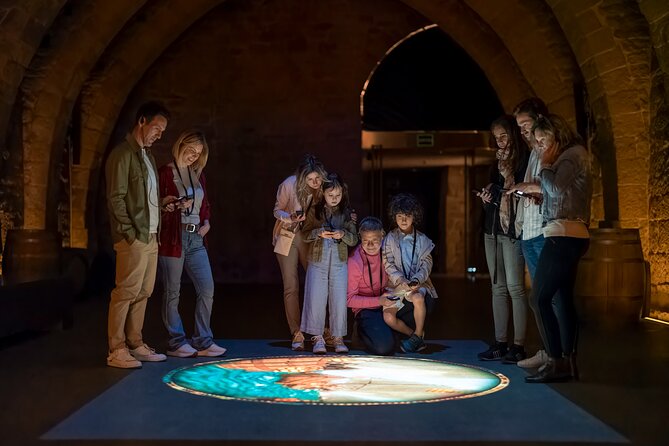
Your route centers on the monastery’s main features, and the church is the first big emotional anchor. Even if you’re not a big architecture expert, churches in monasteries weren’t only for ceremonies. They shaped the rhythm of life, and they’re usually the most expressive space on the property.
In this experience, the church is part of a linked route, not a stand-alone “look and go” moment. The audioguide helps you connect what you’re seeing to the monastery’s long timeline—so you’re not just watching stone, you’re hearing how people might have lived and moved through the space.
If you’re the type who likes to understand what you’re standing in, this section is where you’ll feel the most payoff. If you’re more of a take-a-photo-and-move person, still give yourself a few quiet minutes here, because the story is designed to start strong.
Cloister walk: quiet stone, practical routine
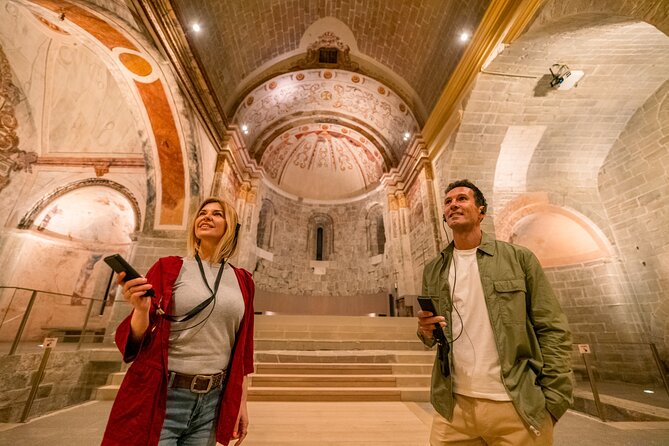
Next up is the cloister, which is one of those spaces you can read like a map of daily life. Cloisters aren’t just pretty courtyards; they function as connectors. They link the monastery’s spaces and organize movement, rest, and routine.
What’s useful about having the audioguide for this portion is timing. You’re walking the route, not waiting for a narrated group. The audio helps you keep the “why” in focus—how this space fit into work, prayer, and day-to-day monastery living across centuries.
This is also where the site’s natural surroundings matter. You’re inside a historic complex, but you’re not sealed off from the outdoors. That gives the cloister a different feeling than you’d get in a purely urban monument.
One thing to do: slow down enough to notice how the layout guides your path. The story works best if you let the route shape your attention.
You can also read our reviews of more tours and experiences in Barcelona





Wine cellar: monastic work you can almost hear
The wine cellar is one of the most grounded parts of the monastery tour. Food and drink weren’t side quests for a monastery—they were part of survival, routine, and planning.
In this experience, the wine cellar is included as a core stop for a reason. The museum-style audio production leans on everyday noises and voices, which is exactly what you want when you’re walking a working-storage space like a cellar. It’s not only about aesthetics; it’s about function.
What I’d suggest is to treat the cellar like a “life in action” chapter. Instead of trying to memorize details, listen for how the story explains the role of work and production inside the monastery’s longer timeline.
This stop pairs well with the rest of the route. Seeing the church, then the cloister, then the cellar builds a sense of how spiritual life and practical work overlapped inside monastery walls.
Montserrat gallery cells: artifacts across a thousand-year timeline
The route also includes the monastery’s cells, located in the Montserrat gallery. Cells are where you get the most immediate sense of what daily living could mean—small, functional spaces tied to routine.
This part of the tour helps connect the scale of the complex to the human scale of life inside it. You’re not just walking a museum corridor; you’re moving through parts of a monastery designed for long-term living.
The experience also references artifacts created over the monastery’s 1,000-year history. Even if you don’t leave with a list of objects, you’ll likely leave with a clearer feeling for how time layers itself in one place—how the monastery evolved while still keeping key spaces recognizable.
If you like museums that tell you what rooms were for, this gallery section is a strong match. If you prefer big spectacle, it’s more about atmosphere and interpretation than fireworks.
Beyond the medieval walls: culinary research centre, restaurants, and shops
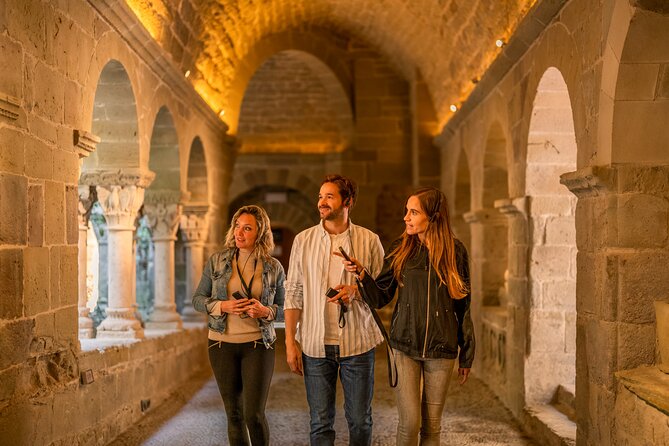
One pleasant surprise about Món Sant Benet is how the modern complex doesn’t feel like an afterthought. The medieval monastery sits only a few meters from an international culinary research centre, and the site includes restaurants and shops as part of the broader cultural and leisure project.
Why that matters to you: it changes how you can use your time. Instead of squeezing everything into strict sightseeing hours, you can treat this like a half-day stop where history leads into food (or at least browsing) without you having to travel again right away.
It also makes the experience feel current. The monastery isn’t just a relic; it’s part of a working site shaped by food culture today.
If you’re traveling with someone who doesn’t want a long museum day, this is a practical compromise: the medieval route takes about an hour, and then there are options on site to keep the visit from ending abruptly.
Timing, pacing, and who this one-hour route fits
This experience runs about 1 hour (approx.) and is capped at a maximum of 40 travelers. That size matters because it helps the self-guided format feel calm. You’re not competing for quiet attention with large tour groups inside tight spaces.
Because you’re self-guiding, your pace is your whole plan. I like this approach for people who don’t want to wait around, and for anyone comfortable following an audio-led route.
It’s also a good match if you’re doing Barcelona sightseeing and want a break from city noise. The site sits in natural grounds just outside the city, so it can feel like a different world without requiring complicated travel planning.
Who should consider skipping? If you want a long guided lecture, this isn’t that. You’ll get a structured route and story, but the whole ticket is designed to be short and efficient.
Practical tips for making it feel effortless
- Plan to arrive ready for a walk. The value comes from moving through the main spaces as the audio cues align with your route.
- Keep your phone charged. This is a mobile ticket experience and you’ll be managing your audioguide access.
- Bring a little patience for transitions. Moving between church, cloister, cellar, and cells is quick, so don’t expect long hangs in one spot.
- If you want more time, add it before or after the audioguide route. The tour itself is only about an hour.
Should you book this self-guided medieval experience?
Book it if you want a self-guided monastery visit outside Barcelona that still feels guided through an audioguide tied to the actual route. At $18.51, the ticket’s strongest value is the combination of multiple key monastery spaces—church, cloister, wine cellar, and cells—plus a museum-style audio production built around voices, everyday noises, and past imagery.
Don’t book it if you need transportation included, or if you’re looking for a full-day tour with lots of free time to roam without structure. Also, if one hour feels too tight for your usual pace, consider doing it early in the day and leaving buffer time for extra looking.
If you like places where history connects to present-day food culture, Món Sant Benet is an easy yes.
FAQ
How long is the Mon St Benet self-guided medieval experience?
It lasts about 1 hour (approx.).
Is the audioguide included in the ticket price?
Yes. The audioguide is included with admission.
Is transportation to and from the monastery included?
No. Transportation is not included.
Is this experience truly self-guided?
Yes. It’s described as a self-guided medieval experience with an audioguide.
Do I need a printed ticket?
No. The ticket is a mobile ticket.
Where is the monastery located?
The experience takes place at Sant Benet de Bages, just outside of Barcelona, in natural surroundings.
Is the experience suitable for most people?
The info says most travelers can participate.
How many people are in the group at most?
There is a maximum of 40 travelers.
What is the cancellation policy?
You get free cancellation. You must cancel at least 24 hours in advance for a full refund. If you cancel less than 24 hours before the start time, the amount paid isn’t refunded.