REVIEW · BARCELONA
Jewish tour by Jewish Guide in Barcelona
Book on Viator →Operated by The best of Barcelona · Bookable on Viator
Barcelona gets personal on this Jewish history walk. What makes this tour special is the way a Jewish guide connects everyday streets to major events—then points out clues you would miss without a local story teller.
I love that it’s a private setup, so you get steady back-and-forth instead of racing with a big crowd. I also like the tone: guides such as Adi or Daphna bring humor and real engagement, not just a list of dates.
One thing to consider: most of the walking happens in the old center, and a key stop (the synagogue museum area) has an entry cost that isn’t included.
In This Review
- Key Highlights Worth Marking on Your Map
- A Jewish Guide, Not a Generic Barcelona Walk
- Price and Time: What $70 Buys You
- Meeting at Plaça de Sant Jaume: Easy Start, Central Location
- Stop by Stop Through El Call and the Layers of Barcelona
- Plaça de Sant Jaume: Where the Story Begins
- Major Synagogue: Museum-Level History and What Costs Extra
- Gothic Quarter (El Call area): Narrow Streets and Hidden Clues
- Plaça del Rei: Nachmanides and the Weight of Debate
- Muralla Romana: Roman Walls Under the Medieval City
- Museu Frederic Mares: Inquisition Headquarters in Barcelona
- Why the Guides Matter: Humor, Pace, and Real-Time Q&A
- Getting the Most Out of Your Two Hours
- Who Should Book This Jewish Barcelona Tour
- Should You Book This Tour?
- FAQ
- How long is the Jewish Barcelona tour?
- How much does the tour cost?
- Is the tour private?
- Is the tour in English?
- Are entrance fees included?
- Where do I meet the guide?
Key Highlights Worth Marking on Your Map
- Jewish perspective with a Jewish guide, so context feels personal, not pasted-on
- El Call focus in the Gothic Quarter, including street-level remnants you might not spot
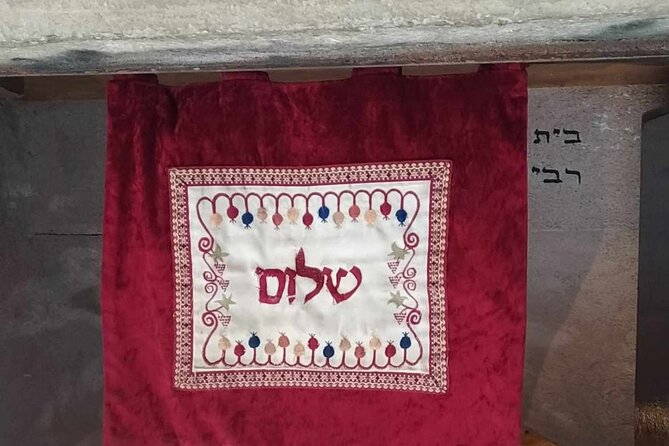
- A stop at the Major Synagogue museum area, with entry handled separately
- Nachmanides disputation connected to Plaça del Rei, tying Jewish scholarship to city history
- Roman walls and layered Barcelona—you see how centuries overlap on the same ground
- A guide who keeps questions moving and pacing comfortable, even for visitors who need breaks
A Jewish Guide, Not a Generic Barcelona Walk
If you’re used to Barcelona tours that skim the surface, this one flips the script. Instead of starting with Gaudí or beaches, you start in the heart of history: the area tied to Jewish community life—its institutions, its conflicts, and the physical traces that survived in the urban fabric.
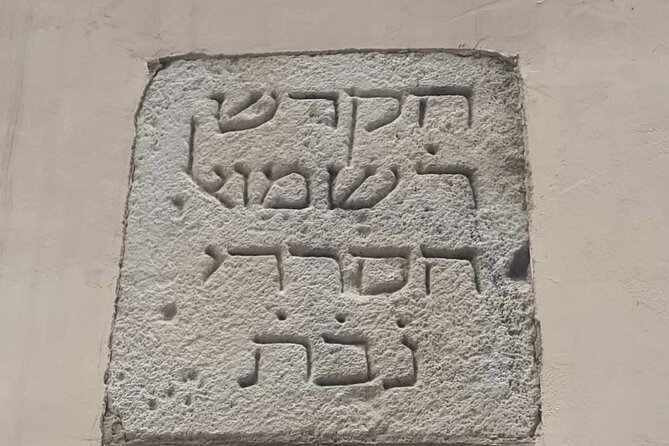
The biggest value is the guide’s point of view. On this walk, Jewish history isn’t treated like a side note. It’s the thread. You’ll hear how names of places, old layouts, and even small architectural details connect to what happened to Jewish residents over centuries.
You also get a format that helps you keep up. It’s about two hours with a clear set of stops, and you loop back to the start. That means you can fit it on a busy day without scrambling for transit afterward.
You can also read our reviews of more guided tours in Barcelona

Price and Time: What $70 Buys You
At $70 per person for roughly 2 hours, you’re paying mostly for two things: time with a guide who can explain the story clearly, and the fact that it’s only your group. That private structure matters in old cities where questions pop up constantly—Why is this building here? What does this symbol mean? How did this neighborhood function?
Entrance fees are the only extra you should plan for. The tour notes that synagogue-related entry isn’t included, with an on-site cost of about €5 described as a donation for the synagogue, and the Major Synagogue museum is specifically listed as not included. So the realistic total is usually a bit more than the base price, depending on how the stop fees are handled that day.
Is it expensive? It can feel that way—until you compare it to what you’d get wandering alone. A guided route like this saves you from the guesswork. You don’t have to interpret half-hidden clues. The guide shows you what to look for, then explains how it fits the bigger story of Barcelona and Spain.
Meeting at Plaça de Sant Jaume: Easy Start, Central Location
The meeting point is straightforward: Starbucks, Plaça de Sant Jaume, 3 (Ciutat Vella), Barcelona. You also finish back at the same place, which makes your day planning simpler.
This area is also very practical for getting in and out. The tour is described as near public transportation, and the start is right where you already want to be if you’re exploring the medieval center. If you’re thinking, I don’t want to burn time finding a meeting spot in a maze—this one is designed to be easy.
Bring a phone for the mobile ticket, and plan for short walks between stops. It’s not an all-day trek, but it is old-street terrain, so comfy shoes help.
Stop by Stop Through El Call and the Layers of Barcelona
This tour is built like a guided timeline you can walk. Each stop gets about 20 minutes, so you get enough time to listen and look—without dragging on.
Plaça de Sant Jaume: Where the Story Begins
You start at Plaça de Sant Jaume, and the guide brings you into the world of the historical Jewish quarter. The square itself is powerful for orientation: it sits beside the Catalan Parliament and city hall. In other words, modern political Barcelona is literally a few steps from older community life.
This opening stop works because it sets the map in your mind. You’re learning where things were, how the neighborhood relates to the city center, and why the Gothic Quarter matters. If you’ve been to Barcelona before, it still helps you see the city in a different order: not just what’s famous today, but what shaped the city long ago.


Major Synagogue: Museum-Level History and What Costs Extra
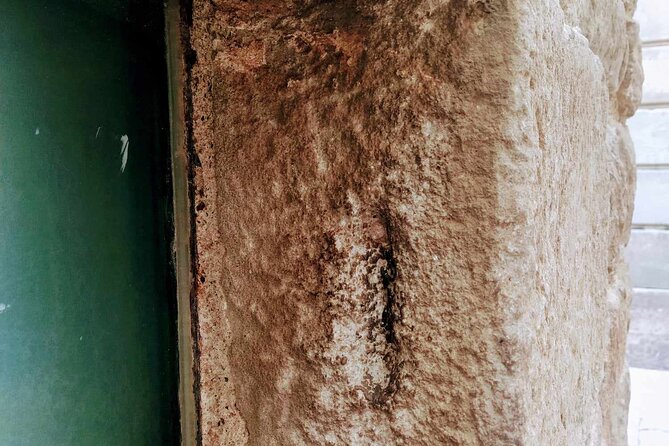
Next up is the Major Synagogue, highlighted as a synagogue museum and considered one of the oldest in the world. This is the kind of stop where your guide’s narration makes the space click. Instead of treating it like a standard museum, you’re hearing how the community built and maintained institutions, and how those spaces functioned in daily life.
Here’s the practical part: admission isn’t included for this stop. The tour info also points to a €5 donation related to synagogue entry. Plan for that extra, and you’ll feel prepared instead of surprised at the ticket counter.
This stop is also where the tour’s tone often turns more reflective. Even when the guide uses humor, the setting holds heavy themes. You’ll understand why people describe it as moving—because it’s not just architectural; it’s about community endurance.
Gothic Quarter (El Call area): Narrow Streets and Hidden Clues
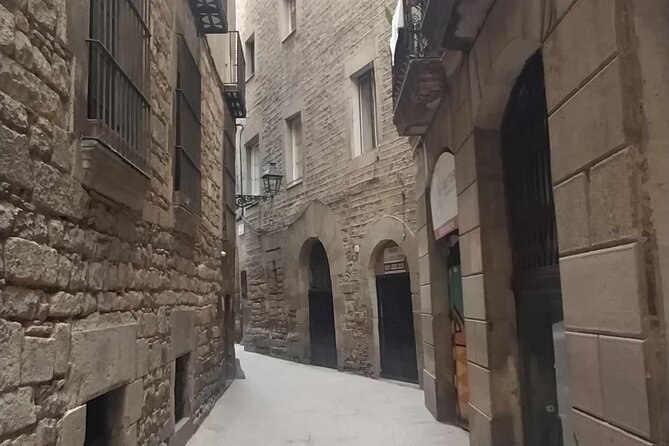
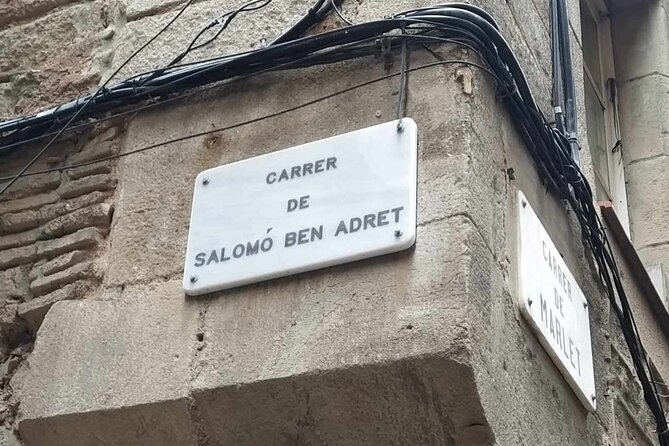
You then walk into the Gothic Quarter, described as the oldest part of town and linked to El Call, the historic Jewish quarter. This is where you start noticing that the city doesn’t cleanly separate eras. Walls, corners, and shopfronts can carry clues to what was here before.
One reason people love this section is the way your guide points out details you’d ignore on your own. The tour description specifically emphasizes remnants and places tied to Jewish life that you likely wouldn’t find without guidance. Some guides are known for spotting things in plain sight—like how community practices were woven into ordinary spaces around the neighborhood.
Also, this portion is visually dense. So if you tend to feel overwhelmed in old cities, the private nature helps. You can slow down, ask questions, and keep your bearings.
Plaça del Rei: Nachmanides and the Weight of Debate
At Plaça del Rei, the focus shifts to the oldest kings palace and the Nachmanides disputation that took place there. This is a key moment because it ties Jewish learning to public power structures in the medieval city.
The value here isn’t only who said what. It’s the bigger lesson: when you place a famous historical figure in a specific physical location, the story stops being abstract. The guide helps you connect scholarship, conflict, and the way the city’s centers of authority shaped what Jewish life could look like.
If you like history that links people to places—this stop will click. And if you don’t, it still works because the guide explains why this moment mattered for the community’s long arc.
Muralla Romana: Roman Walls Under the Medieval City
Then you reach Muralla Romana, the original Roman wall of Barcelona. This is a smart pivot because it reminds you: Jewish history in Barcelona didn’t happen on blank ground.
Seeing the Roman wall in the middle of an El Call walk gives you a clearer sense of how the city’s layers overlap. The guide’s job here is to connect those layers—how older infrastructure shaped later neighborhoods and how people used the existing bones of the city.
It’s also a good sensory moment. You get to pause and look. Roman masonry feels different than medieval stone, and that contrast helps you mentally separate timelines even while you’re still in the same area.
Museu Frederic Mares: Inquisition Headquarters in Barcelona
The last major stop is Museu Frederic Mares, tied to the historical location of the Spanish Inquisition headquarters in Barcelona. This part matters because it places the darker chapters of Spanish Jewish history directly onto the map, not off in a textbook.
Expect the guide to connect the dots between power, surveillance, and what Jewish communities faced over time. Even if you already know about the Inquisition, standing in a location associated with it brings immediacy. The tour doesn’t shy away from how painful that history can be; it also shows how the city kept those stories in its layout.
By the time you reach this stop, you’ll likely feel a shift from exploration to reflection. That’s normal. The pacing helps you absorb without rushing past.
Why the Guides Matter: Humor, Pace, and Real-Time Q&A
One pattern shows up again and again in the way people describe this experience: guides teach in a way you can follow, and they keep the mood human.
Guides such as Adi, Daphna, On Tal, and Ron appear in different groups, and the common theme is engagement. People note humor, patience with questions, and a pace that doesn’t bulldoze over you. That’s not a small detail—when you’re covering heavy history, the guide’s delivery affects whether you leave learning or leaving drained.
I also like that this tour is interactive. When you’re standing in a place tied to community life, questions are natural: How did people live here? Where did practices happen? What do these remnants mean now? A guide who can answer without making you feel rushed makes the tour feel worth every minute.
Getting the Most Out of Your Two Hours
This is a short walk. So your best move is to show up ready to listen and look.
- Wear shoes that work on old streets and uneven sections.
- Bring water, especially if you’re touring in warmer months.
- Come with at least one question, even a simple one like What was El Call in everyday life? You’ll get more out of the discussion.
If you’re doing Barcelona in a packed itinerary, this tour still has value because it reframes the city. You’ll start to notice how Spanish and Jewish history shaped the city long before the modern sightseeing script.
Who Should Book This Jewish Barcelona Tour
This tour is a strong match if you:
- Want a Jewish-guided explanation of Jewish history and heritage in Barcelona
- Enjoy walking tours that reveal street-level clues and lesser-seen details
- Like history that connects events to specific buildings and squares, like the Plaça del Rei disputation site
It may be less ideal if you:
- Only want broad, famous Barcelona highlights and don’t care about El Call or synagogue-linked history
- Want a fully self-guided experience where you pay only once and never deal with an extra entry donation
If you’re traveling with a young history fan, it can also work well. The tour’s pacing and guide style are described as holding kids’ attention alongside adults.
Should You Book This Tour?
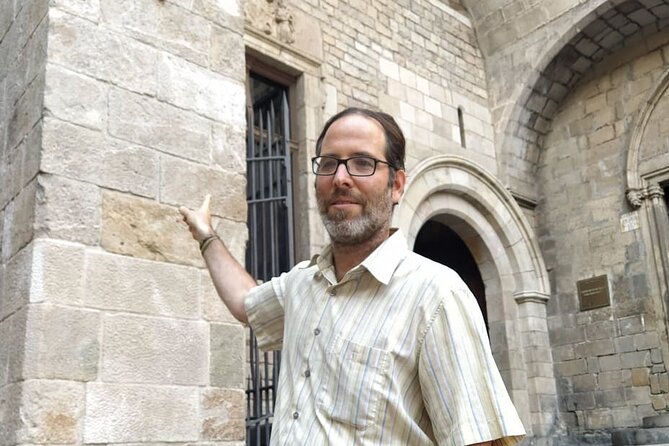
Yes, if your goal is to understand Barcelona through the lens of Jewish community history, not just to tick off a few landmarks. The combination of a private professional guide, a clear route through historically meaningful places, and the chance to learn what you’d otherwise miss makes the value feel real.
Before you book, be honest about one thing: this walk covers difficult themes. If that’s okay with you, you’ll leave with a smarter, more human view of the city. Plan for the small extra synagogue-related fee (listed around €5) so you aren’t caught off guard.
If you’re asking, Is this worth $70? My answer is: it’s a good deal when you want a guide’s time and direction for the story behind the stones.
FAQ
How long is the Jewish Barcelona tour?
It lasts about 2 hours.
How much does the tour cost?
The price is $70 per person.
Is the tour private?
Yes. It’s listed as a private tour/activity, so only your group participates.
Is the tour in English?
Yes, the tour is offered in English.
Are entrance fees included?
No. Entrance fees are not included. The tour notes €5 as a donation for the synagogue, and the Major Synagogue museum stop is listed as not included.
Where do I meet the guide?
Meet at Starbucks, Plaça de Sant Jaume, 3, Ciutat Vella, 08002 Barcelona. The tour ends back at the same meeting point.