REVIEW · BARCELONA
Barcelona: Take your portrait with a 19th century process
Book on GetYourGuide →Operated by Martí Andiñach Wetplate Studio · Bookable on GetYourGuide
A portrait from 1851, made in the darkroom. In Barcelona’s Gothic Quarter, Martí Andiñach leads you through a hands-on wet-plate session: mixing chemistry, coating a metal plate, taking the photo, and developing it by hand. I love that the result is a true heirloom you can keep for years, and I love the way Martí explains each step with real passion and clarity. The main drawback: your exposure can be about 20 seconds, so you’ll need to stay very still—kids (and pets) can be tricky.
You’ll spend around 1:30 hours in a real 19th-century setup, then wait while your portrait is washed, dried, and varnished before pickup. It’s not just a photo op. It’s a view into how early photography worked, right down to why the process demands patience and careful posing.
In This Review
- Key Highlights You’ll Want to Know
- A 19th-Century Wet-Plate Portrait in Barcelona’s Gothic Quarter
- How the Session Works: Plate Prep, Exposure, and Darkroom Development
- Reception and getting set up
- Preparing the plate
- The posing moment with an old wooden camera
- Developing the result
- Washing, drying, and varnishing
- What 20 Seconds of Stillness Really Means
- The Chemistry and Darkroom Moments You Can Actually Watch
- Your Heirloom Portrait: What You Receive and How Pickup Works
- Price and Value: Is $118 per Group Up to 4 Worth It?
- Who This Wet-Plate Experience Suits Best (and Who Might Not Love It)
- Tips to Get a Portrait You’ll Like for Years
- Choose your outfit with contrast in mind
- Plan your pose before you sit down
- Arrive ready to take direction
- Respect the time needed after the session
- Should You Book This Barcelona Wet-Plate Portrait Session?
- FAQ
- How long does the wet-plate portrait session take?
- What does it cost, and how many people can be in the group?
- Where does the session happen?
- What photo size is included?
- How long do I need to hold still during the exposure?
- Is this suitable for young children or pets?
- When do I get the portrait?
- Is shipping included?
- What languages are used during the session?
- Is there free cancellation and a flexible booking option?
Key Highlights You’ll Want to Know
- A metal-plate portrait you can hold: your image ends up on a piece of metal, then gets washed, dried, and varnished.
- You watch real work happen: from chemistry mixing to development in the darkroom.
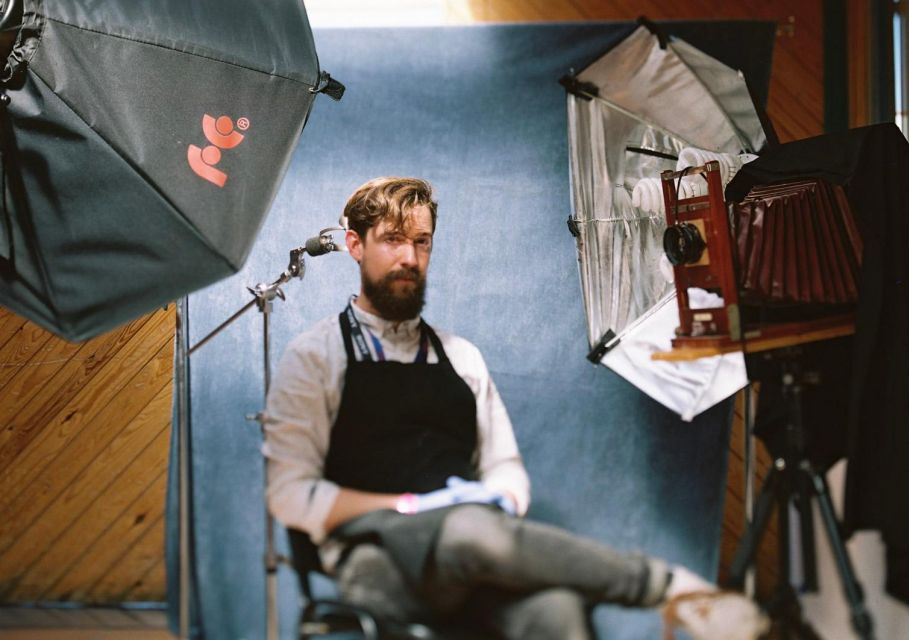
- A posing experience in old-style terms: you’ll sit for about 20 seconds in front of a wooden camera.
- Private group format: your session is geared around your pace and your group (up to 4 people).
- Pickup happens after processing: plan on the final steps taking up to about 1 hour after your photo is made.
A 19th-Century Wet-Plate Portrait in Barcelona’s Gothic Quarter
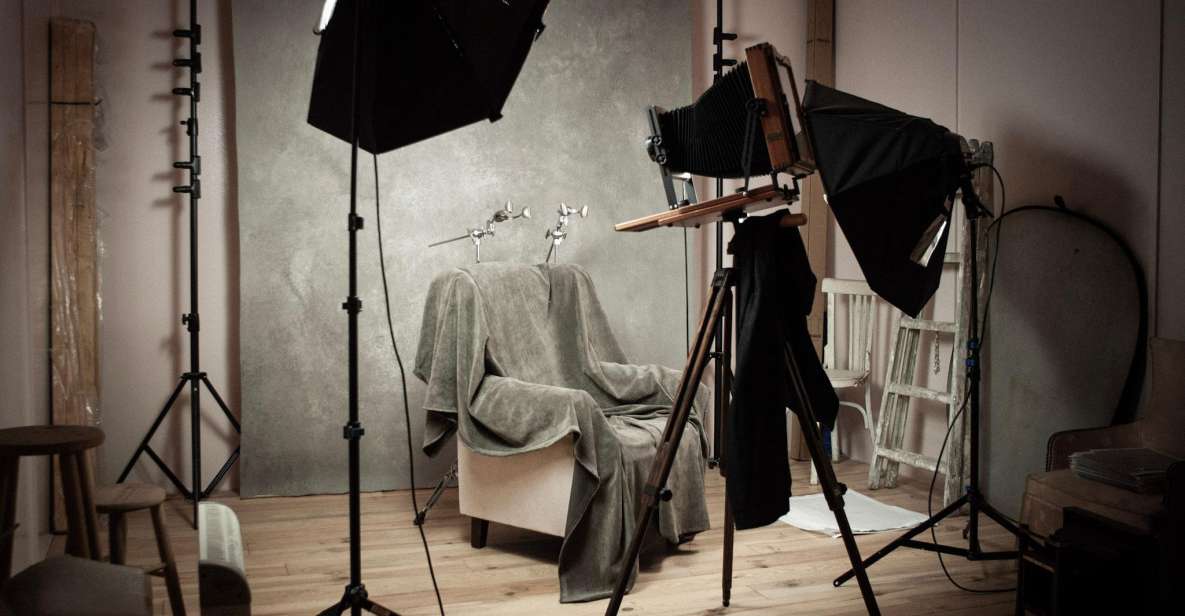
If you like the idea of travel that’s hands-on, this wet-plate portrait session is a smart pick. In central Barcelona, inside a dedicated studio and darkroom in the Gothic Quarter, you get to experience analog photography at its most old-school. Not as a lecture. As a guided, step-by-step process you can actually see.
The heart of it is the wet-plate technique: a photo is captured onto a prepared metal plate, then developed by hand. You don’t just get a copy afterward—you get the story of how it was made. Martí Andiñach (the studio host) shows what he’s doing as he prepares the chemistry and works through the process.
Two things I think make this experience especially valuable. First, the end product feels personal in a way digital photos usually don’t. A varnished metal portrait has weight. It looks and feels like something made to last. Second, Martí’s teaching style is direct and clear. He explains what matters and why, so you understand the logic of the process instead of just watching steps happen.
You can also read our reviews of more tours and experiences in Barcelona.

How the Session Works: Plate Prep, Exposure, and Darkroom Development
The session runs about 2 hours total, but the core experience is roughly 1:30 hours. You’ll be received at the studio, then you’ll move through a real workflow—like people did in the era of early studio photography.
Here’s the flow, in plain terms.
Reception and getting set up
You start with a welcome at the studio. Then you’ll talk through what’s going to happen and how your portrait will be captured. This matters because wet-plate photography is less forgiving than modern cameras. Your guide can help you understand the posing needs and how to prepare.
Preparing the plate
Before the camera moment, the plate needs prep. You’ll see the steps leading up to coating or preparing the metal surface the image will be made on. This is one of those behind-the-scenes parts that feels “invisible” in modern photography. Here, it’s front and center.
The posing moment with an old wooden camera
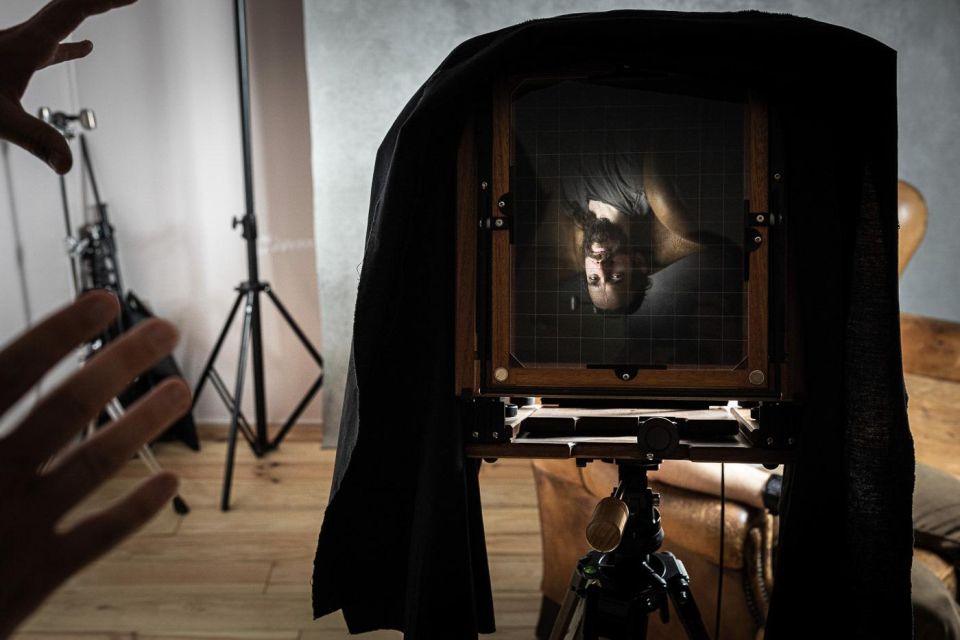
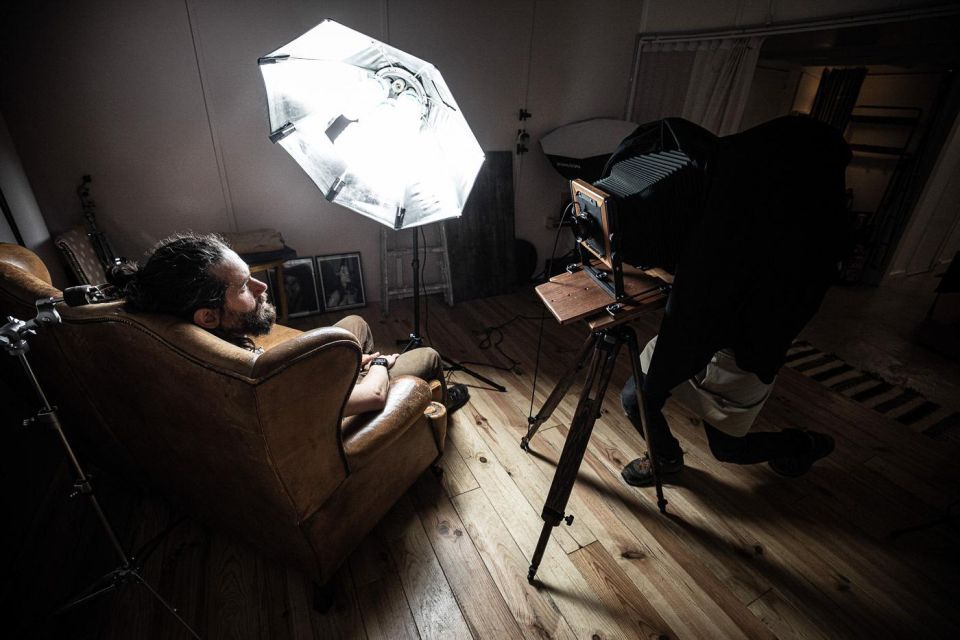
Once the setup is ready, you sit on a posing chair and the camera is positioned. The exposure time can be around 20 seconds, and the big rule is stillness. Not stiff “statue” stillness, but steady stillness.
If you’re filming yourself on your phone while you travel, you already know how quickly small movements show up. Wet-plate reveals those tiny shifts too. The process forces you to slow down and commit to the pose.


Developing the result
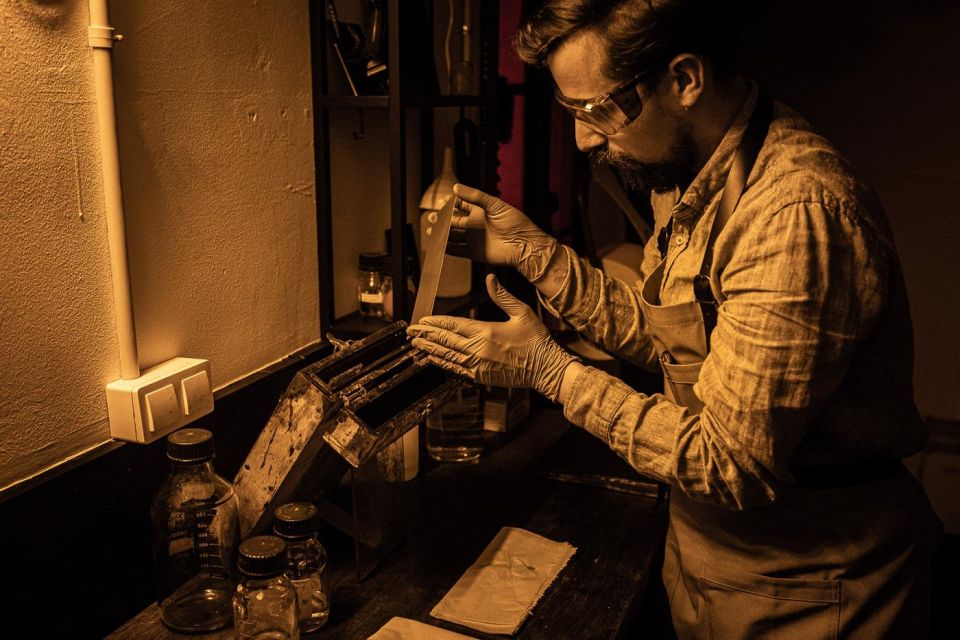
After the exposure, the real magic happens in the darkroom. You’ll experience how the portrait is revealed under development. This is a key part of why the experience is more than a studio photoshoot. You get to see how the image emerges through chemical development rather than just pressing a button and waiting for a screen.
Washing, drying, and varnishing
After development, your portrait still needs the finishing steps: washing, drying, and varnishing. These steps aren’t just cosmetic. They’re part of stabilizing and finishing the final plate so it can be picked up ready to display.
You’ll pick up locally at the studio once it’s ready.
What 20 Seconds of Stillness Really Means
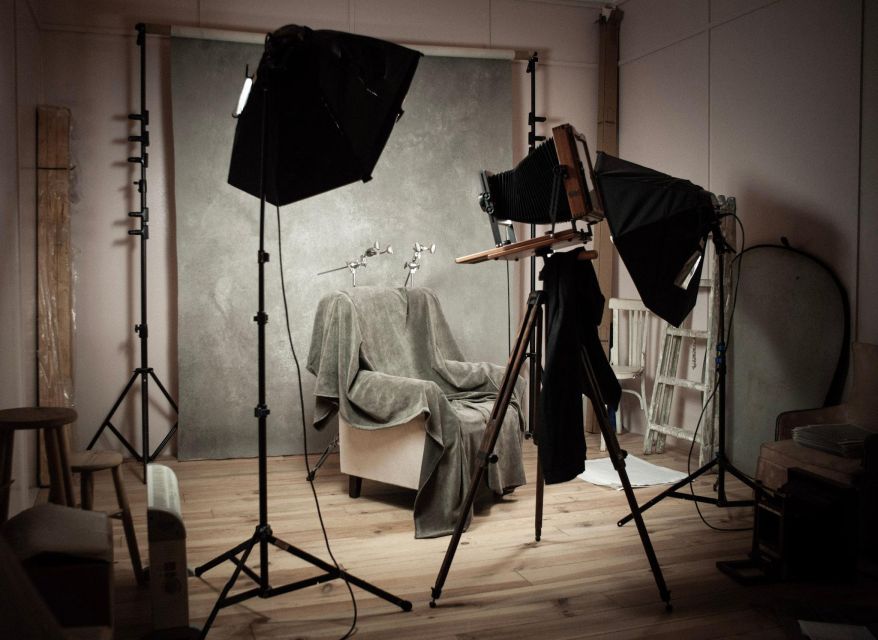
The exposure time being about 20 seconds sounds simple until you try it while sitting in position. The practical reality: you’ll want to choose a relaxed posture that still holds steady.
Here’s the kind of advice that makes your portrait come out better:
- Pick a pose you can repeat without micro-adjustments.
- Breathe naturally, but avoid shifting your shoulders or head during the exposure.
- If you’re doing this as a couple or small group, decide where everyone’s hands go first.
Kids from 1 to 3 years old or pets can be quite challenging in processes like this, and results may not match expectations. The issue isn’t effort—it’s physics. Movement during those seconds affects the final image.
If your group includes young kids, don’t panic. Just think of the portrait as a session with an emphasis on stillness. Adults and older teens usually have a much easier time with the timing.
The Chemistry and Darkroom Moments You Can Actually Watch
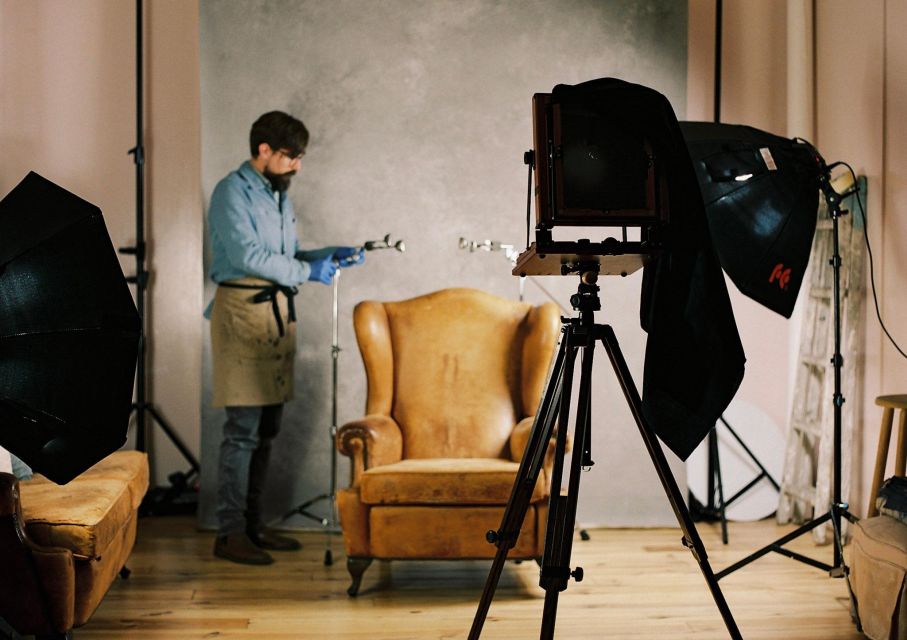
One of the most praised elements of this experience is the way Martí communicates the process. You don’t get a vague story about old photography. You get the practical, hands-on version: mixing chemistry, using it, developing the metal plate, then seeing what changes at each stage.
This is where you learn something useful even if you never plan to do photography again. You start to understand that early processes had limits—time, stability, chemical handling—and those limits shaped the whole look and feel of the portraits.
And because it’s a studio experience, you’re not doing guesswork. You’ll see what’s happening and understand why it matters. That clarity is part of what makes analog photography feel approachable rather than intimidating.
In the darkroom, pay attention to the cause-and-effect. When development starts, the image doesn’t behave like a modern screen preview. It emerges through chemical action. That difference makes you slow down and watch with intention.
Your Heirloom Portrait: What You Receive and How Pickup Works
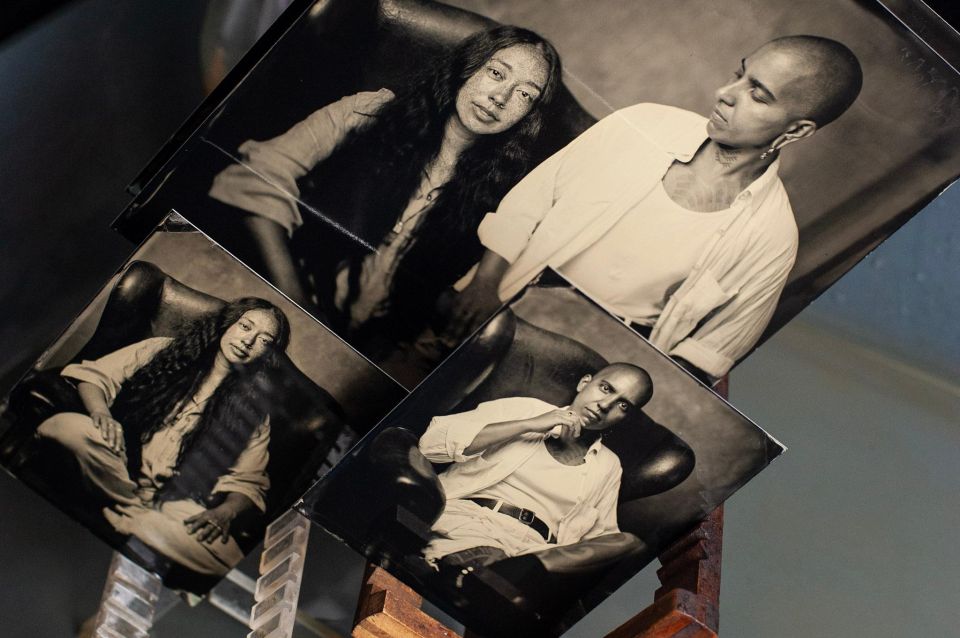
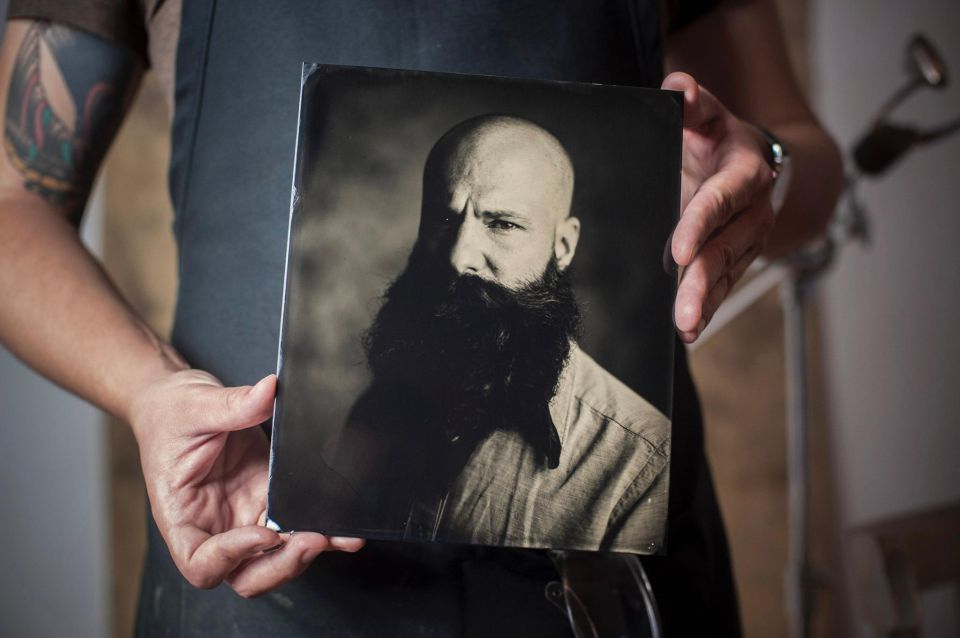
You’ll leave with a wet-plate portrait that’s one of a kind and meant to last. The standard metal plate size is 4×5 inches. Upgrades to larger plate sizes aren’t included, so if you want something bigger, you’ll need to plan for that extra cost.
Also worth knowing: the portrait isn’t instantly finished when the photo is taken. After your session, processing continues—washing, drying, varnishing. This can take around 1 hour as long as Martí has availability after your session. You can arrange this beforehand, which is helpful if you have dinner reservations or a tight itinerary in the Gothic Quarter.
If you can’t pick up during your stay, there’s an option to ship. Shipping isn’t included, and the details are handled as an extra arrangement (you can also ship to a hotel reception or to your home for an added fee).
Practical takeaway: build in enough time after your session for pickup, or plan on shipping. Don’t schedule this in a way that forces you to rush right afterward.
Price and Value: Is $118 per Group Up to 4 Worth It?
The price is $118 per group up to 4 people, with a private-group feel. That’s a different value proposition than many city photo experiences.
What you’re paying for:
- The real wet-plate process, including plate preparation and development by hand
- The finishing steps (washing, drying, varnishing)
- Local pickup at the studio once it’s ready
- A guided, instructional session that teaches the steps clearly, not just a one-click photoshoot
For a single metal portrait, it might sound pricey at first. But when you compare it to the cost of producing a one-of-a-kind analog item with real artisanal labor, you get a better sense of the value. This is also time-specific work. It’s not mass produced.
One thing to do before you book: think about who will be in your portrait and how many frames you want. The session supports single, couple, or group portraits, and you’ll receive a portrait (or more than one) depending on what you do during the session. If you’re traveling as a duo, it can feel especially meaningful as a shared keepsake.
Who This Wet-Plate Experience Suits Best (and Who Might Not Love It)
This experience is a strong match if you want:
- A keepsake that isn’t just a digital file
- A slower, more intentional activity during your Barcelona stay
- A hands-on explanation of how early photography worked
- A unique gift idea that feels crafted, not templated
It’s also a good fit for couples and small groups who enjoy meeting people, asking questions, and taking part in a real studio moment.
It might be less ideal if:
- Your group includes very young kids or pets who may not stay still during the exposure
- You hate waiting for a final product to be processed before pickup
- You want instant results like a standard photo booth or phone photo workflow
Wheelchair access is mentioned, and that’s a real plus when you’re looking for activities you can actually navigate comfortably.
Tips to Get a Portrait You’ll Like for Years
The better you prepare mentally, the better your portrait outcome tends to be.
Choose your outfit with contrast in mind
You’ll be creating a portrait with a classic studio look. Dark or medium tones often photograph well in older-style processes, and clean clothing lines help you look sharp. You don’t need a costume, but you do want to avoid distractions.
Plan your pose before you sit down
Take a few seconds with your guide to settle on a pose you can hold naturally. Once you’re in position, you’ll focus on steadiness.
Arrive ready to take direction
This is a process-based experience. If you follow instructions and adjust quickly, you’ll get a smoother session and better results.
Respect the time needed after the session
Plan your day so you have time for the washing, drying, and varnishing process before pickup. If you can’t, ask about shipping options early so it doesn’t become a last-minute problem.
Should You Book This Barcelona Wet-Plate Portrait Session?
Yes—if you want a real analog keepsake and you enjoy learning as you go. This isn’t just about getting a picture. It’s about understanding the steps and watching the craft unfold in a 19th-century studio and darkroom.
Book it if you can handle the exposure requirement and you’re okay with waiting for the final plate to be finished. If you’re traveling with very young kids or pets, consider whether you’re okay with the possibility of less reliable results.
For travelers who like authentic, tactile experiences in Barcelona—especially in the Gothic Quarter—this wet-plate portrait session is one of those activities that feels different the moment you walk in.
FAQ
How long does the wet-plate portrait session take?
You’ll spend about 1:30 hours on the main experience, and the total activity time is listed as 2 hours.
What does it cost, and how many people can be in the group?
It’s $118 per group, up to 4 people.
Where does the session happen?
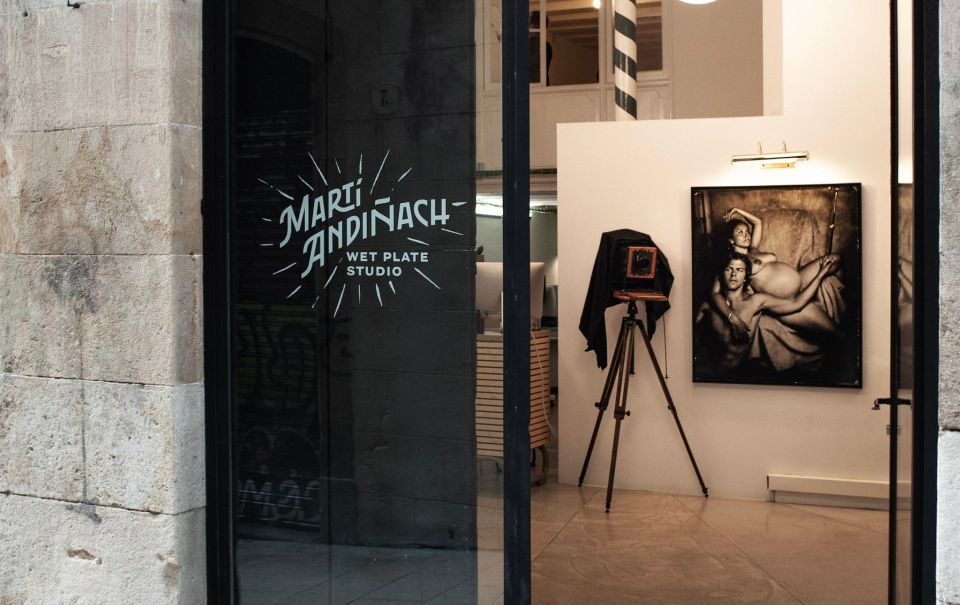
It takes place in a dedicated studio and darkroom in the heart of Barcelona’s Gothic Quarter.
What photo size is included?
The standard metal plate size is 4×5 inches. Larger plate upgrades aren’t included.
How long do I need to hold still during the exposure?
Exposure times can be around 20 seconds. Staying as still as possible helps produce better results.
Is this suitable for young children or pets?
Kids from 1 to 3 years old or pets can be challenging due to the need to stay still for the exposure, and results may not be as expected.
When do I get the portrait?
You’ll pick it up locally at the studio after it’s properly washed, dried, and varnished. This can take around 1 hour after your session, depending on availability.
Is shipping included?
No. Shipping is not included, but your portrait can be shipped to your hotel reception or home for an extra fee if you can’t pick it up during your stay.
What languages are used during the session?
The live guide is available in English, Catalan, and Spanish.
Is there free cancellation and a flexible booking option?
Yes. You can cancel up to 24 hours in advance for a full refund. You can also reserve now and pay later to keep plans flexible.