REVIEW · BARCELONA
Barcelona: Olympic and Sport Museum – Sports Experience
Book on GetYourGuide →Operated by Touristcheck - Museu Olimpic · Bookable on GetYourGuide
The Olympic story gets physical here. This interactive museum on Barcelona’s Montjuïc hill mixes sports practice with Olympic history, from classic Games artifacts to modern-style training simulators. I like how the design works for both kids and adults, and I also appreciate the ticket price for what you get in one day.
My favorite part is the interactive sports section, where you can try challenges inspired by real athletes and sports techniques. I also like the permanent exhibitions that trace Olympic host cities and give context to what made each era matter—plus an Idols area that spotlights big names and milestones. The main drawback is that the Barcelona Olympics content can feel a bit small compared with the wider Olympic focus, so if you came only for Barcelona 1992, manage expectations.
In This Review
- Key points to know before you go
- Why the Olympic Museum on Montjuïc is worth 1 day
- Price and timing: what $7 gets you in real value
- Your first stops: the interactive sports space that works for everyone
- Olympic host cities: from Barcelona 1992 to London 2012
- Idols and athlete comparisons: shoes, trophies, and famous milestones
- Paralympics section: learning through real sports history
- Temporary exhibitions you can catch while visiting
- A practical Montjuïc bonus: nearby stadium views
- What could disappoint you (and how to plan around it)
- Who this museum is best for
- Should you book the Barcelona Olympic and Sport Museum?
- FAQ
- Where is the Barcelona Olympic Museum located?
- How long do I need for this experience?
- What does it cost?
- What interactive sports experiences are offered?
- Is there an Olympic host-city exhibition?
- What temporary exhibitions are included?
- Is the museum wheelchair accessible and are facilities included?
- Can minors visit without an adult?
Key points to know before you go
- Try sports challenges: running, swimming technique stations, cycling practice, and weightlifting-style options.
- Olympics across host cities: a permanent set covers Barcelona 1992 through London 2012.
- Idols and athlete collections: trophies, milestones, and collections tied to major sports figures.
- A Paralympics section: learn about events including football for blind and visually impaired athletes, plus wheelchair basketball.
- Temporary exhibitions included: COPLEFC photography contest and an International Art on Paper award run during specific periods.
Why the Olympic Museum on Montjuïc is worth 1 day
If you’ve visited a lot of museums that mostly sit you in front of glass cases, this place gives you a different rhythm. The Olympic Museum of Barcelona is built around doing as much as looking. Even if you’re not a die-hard sports fan, the interactive areas are set up so you can jump in fast and understand the sport without needing a background lecture.
I especially like the way the museum spans both Olympic and non-Olympic sports. You’ll see references that go beyond the standard Olympic-only menu. That matters because it makes the museum feel more like a sports world—where football, cycling, tennis, and other disciplines still matter even when the Olympics aren’t in session.
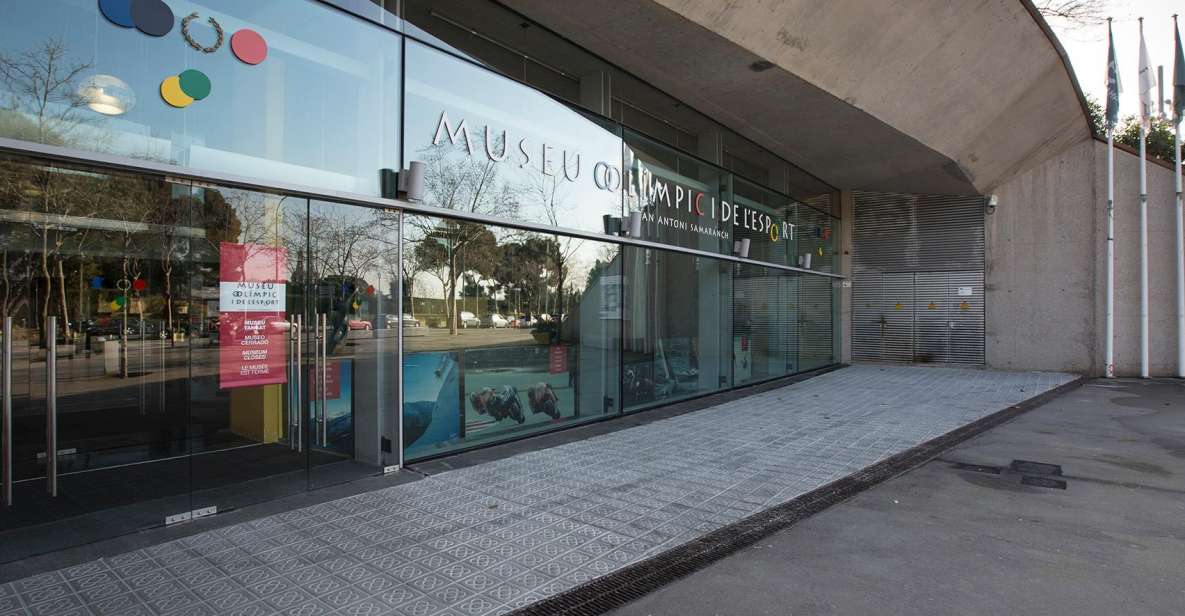
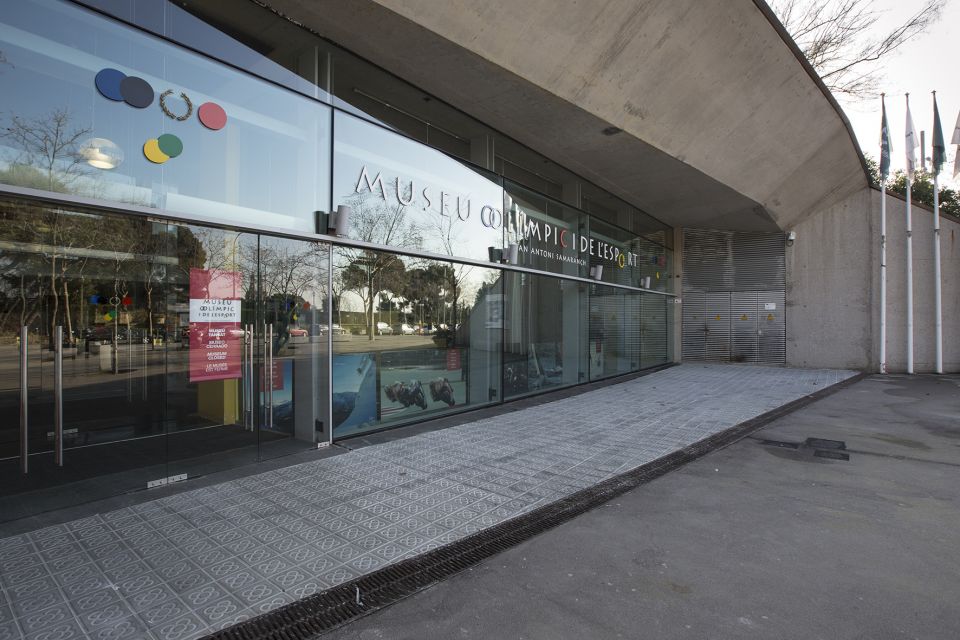
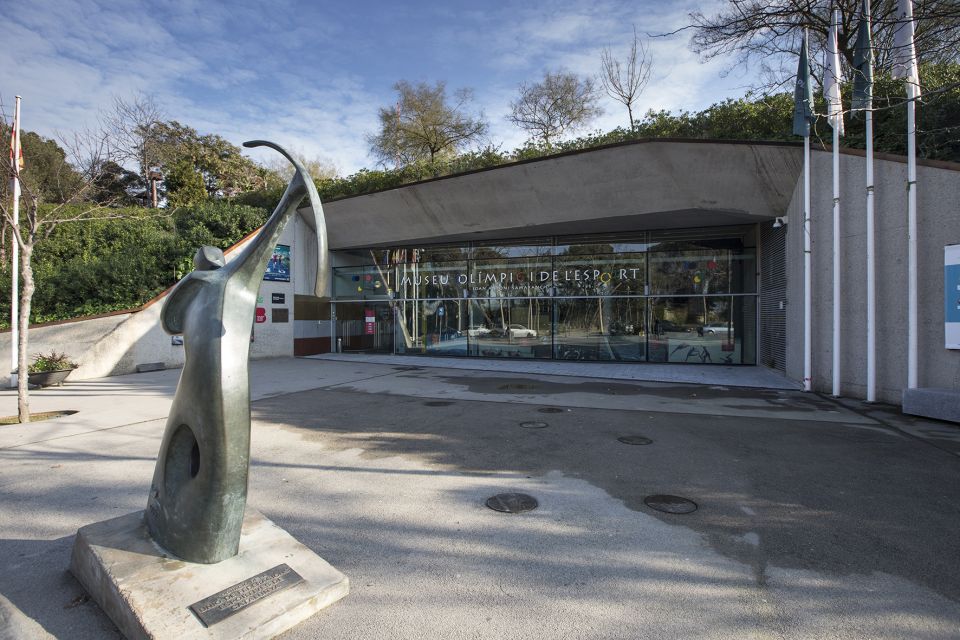
The museum’s location on Montjuïc hill is also practical. You’re already in one of Barcelona’s best “walk and look” zones. That makes the Olympic Museum an easy fit into a day where you might want a view too.
You can also read our reviews of more museum experiences in Barcelona



Price and timing: what $7 gets you in real value
At about $7 per person for a 1-day ticket, this is one of those experiences that punches above its weight. Museums can easily feel expensive when the experience is mostly reading panels. Here, the balance leans toward participation—stations, comparisons, and multimedia installations—so the cost-to-time ratio tends to feel fair.
I recommend planning for a full visit without rushing. Even though it’s a single-day experience, the museum covers several themed zones: interactive sports, Olympic host city context, athlete-focused displays, and Paralympics history. If you come in with a “quick look” mindset, you may miss the details that make the experience click.
One more timing note: you might enjoy going earlier in your Montjuïc day, when it’s easier to slow down and try stations without feeling crowded. Some visitors also note the museum can feel quiet, which is a big plus when you want to focus on the interactive parts.
Your first stops: the interactive sports space that works for everyone
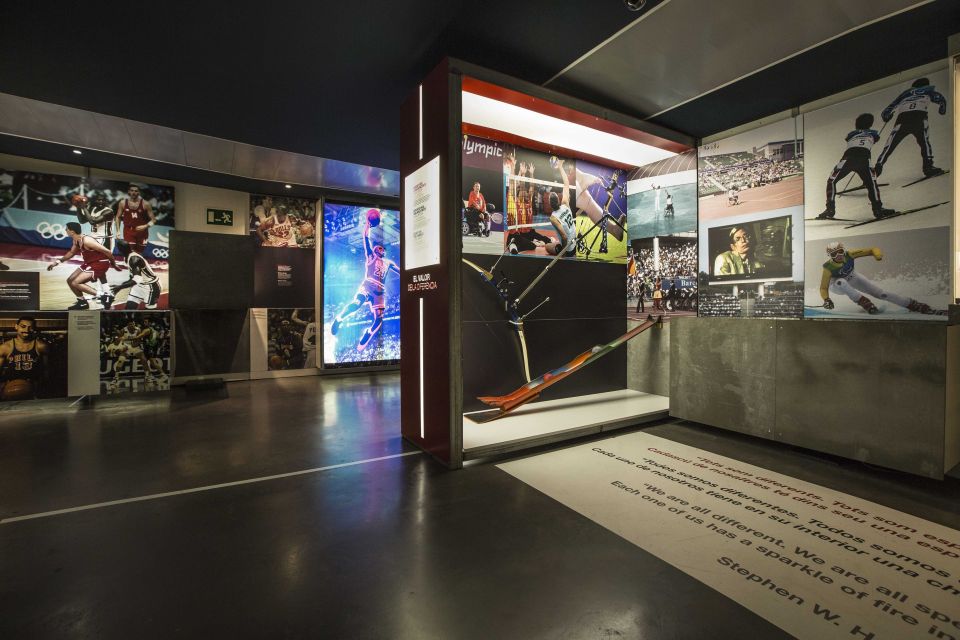
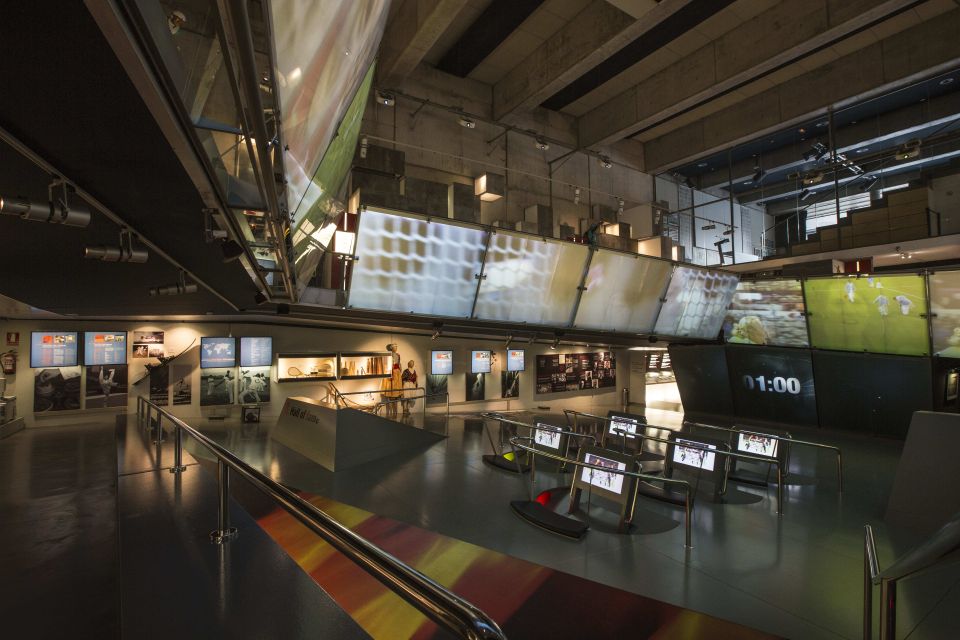
The museum’s heart is its interactive sports area. I like this section because it gives you a way in without requiring you to know the rules of every sport. It’s designed around challenges and technique-style stations—so even a casual visitor can start testing skills right away.
Here are some of the experiences you can expect from the sports simulators and interactive exhibits:
- Running challenges inspired by famous sprinters like Carl Lewis and Usain Bolt.
- Swimming technique-style stations that nod to athletes such as Mark Spitz and Michael Phelps.
- Cycling practice stations aimed at improving your form and control.
- Weightlifting immersion options that let you “get a taste” for training mechanics.
- A wider sports menu beyond the Olympics, including sports like football and tennis within the museum’s Olympic-and-sports overview.
What makes this valuable isn’t just fun. It helps you understand how training and technique shape performance. When you try a motion-based challenge, it stops being abstract. You feel why a small adjustment matters—timing, balance, or form—and the museum can tie that back to Olympic moments and athletes.
If you’re traveling with children, this is the area most likely to keep attention. The museum’s setup supports family visits, and the interactive approach helps kids learn by doing instead of watching.
Olympic host cities: from Barcelona 1992 to London 2012
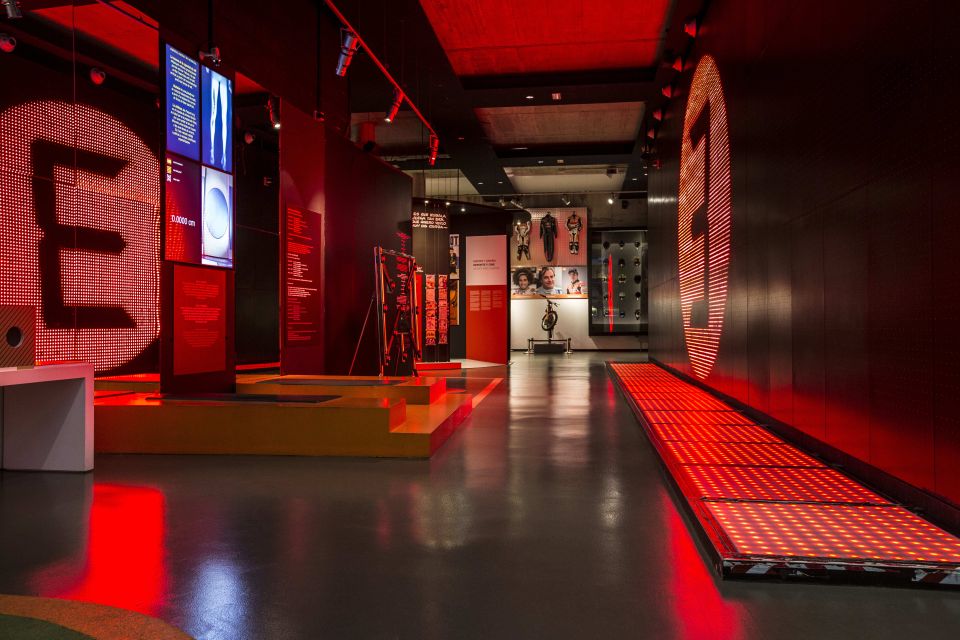
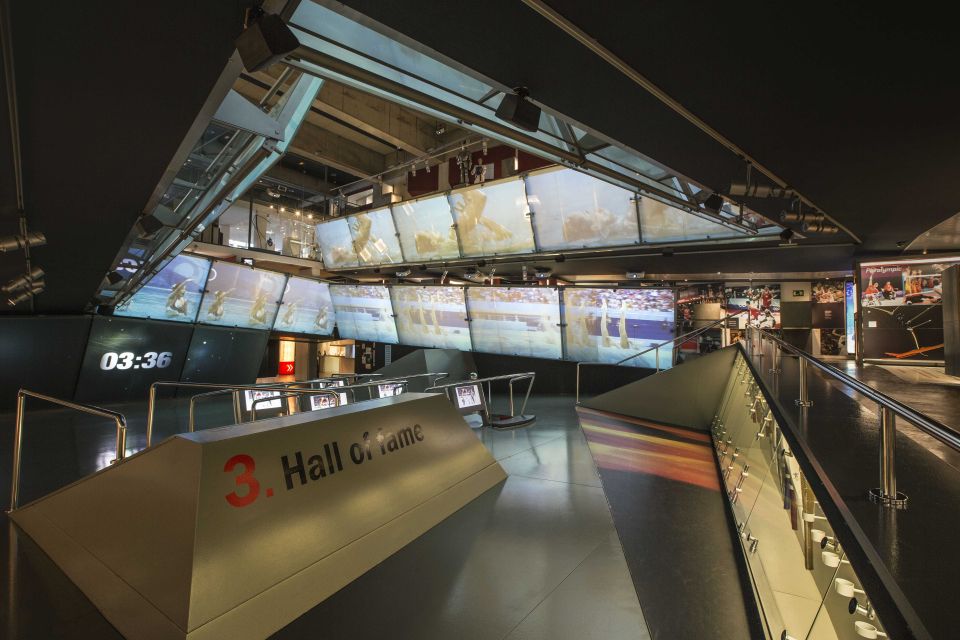
After you’ve had fun with the interactive stations, the permanent exhibitions help you connect the dots. The museum includes a section focused on the Olympic host cities, covering a span from Barcelona 1992 to London 2012. That timeline works well because it gives you a framework for understanding the Games as a moving event—different cities, different eras, different priorities.
I like that this part doesn’t only show dates. It frames why locations matter: venues, legacies, and how the Olympics shape a city’s sports culture. If you’ve walked around Barcelona and seen Olympic-era landmarks, this exhibit can help you read the city through a sports lens.
One practical benefit: if you’re only here for one day, this host-city overview gives you a lot of “big picture” context without needing hours of scrolling. It’s a smart use of time.
Idols and athlete comparisons: shoes, trophies, and famous milestones
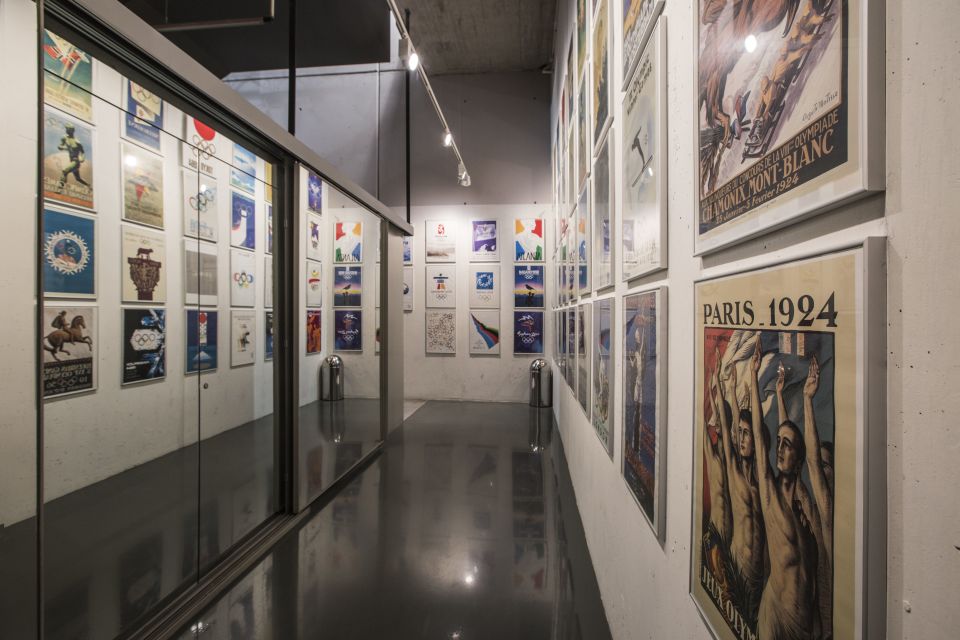
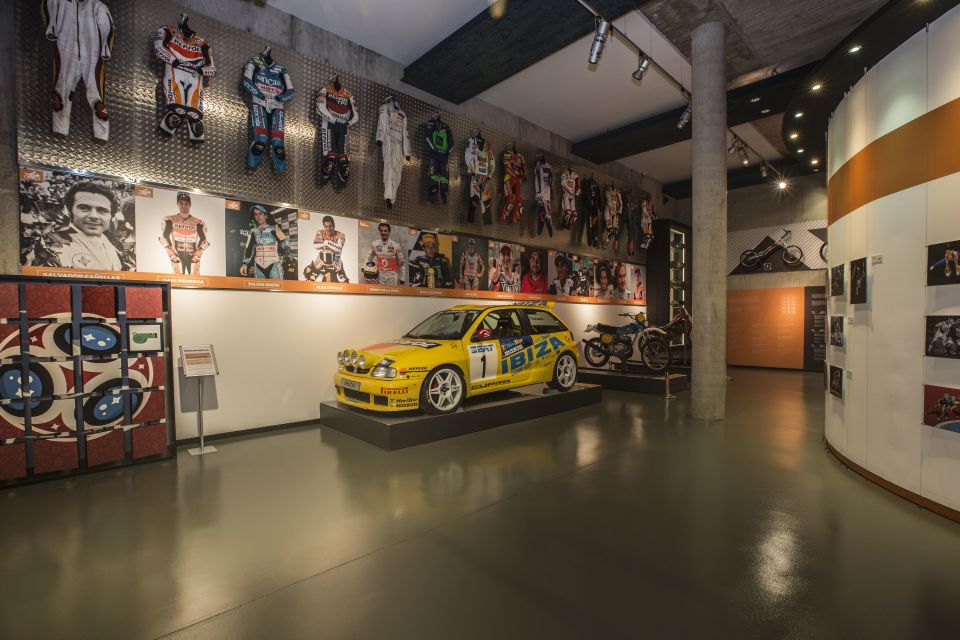
The museum’s Idols space turns attention to athletes and the markers of greatness. I like these displays because they don’t treat athletes like distant statues. They bring in milestones, trophies, and recognisable moments that you can connect to the interactive stations you already tried.
A standout concept here is the athlete comparison angle. You can compare your shoes with those of major sports icons such as Michael Jordan, Pau Gasol, and Roberto Dueñas (as included in the museum’s information). It’s a small detail, but it’s a memorable one—because it makes performance feel personal. Instead of asking you to imagine greatness, it lets you compare a human object that touches training and movement.
The Idols zone also references collections connected to leadership in the Olympic world, including the Samaranch collection. If you want the Olympics to feel more than medals and moments, these touches help show how the Games are shaped by people and institutions too.
Some displays in this area also include the idea of a live sports match experience. Since the exact format can vary, it’s best to treat this as a bonus possibility while you’re inside—something to watch for as you move between zones.




Paralympics section: learning through real sports history
For many visitors, the Paralympics section is the most meaningful part of the museum. This area focuses on the history of the Paralympic Games and features examples of sports that many visitors might not know well.
You can learn about competitions such as:
- Football for the blind and visually impaired
- Wheelchair basketball
What I like about this section is its practical messaging: it frames Paralympic sport as a complete athletic world, not an afterthought. You leave with more than admiration. You gain awareness of how classifications and opportunities shape competition—and how sport drives community and ability.
If you’re visiting as a family, this section can be a great conversation starter. Kids usually understand the “play and compete” part right away. Adults often appreciate that the museum connects sport to real history and real evolution.
Temporary exhibitions you can catch while visiting
On top of the permanent exhibitions, the ticket includes temporary art-and-photography programming. These change over time, so it’s smart to check dates before you plan your day.
Two temporary exhibitions listed as included:
- Values and Emotions of the COPLEFC Photography Contest, running until January 25, 2026. This photography contest began in 1999 and spans many editions, with images centered on the emotions and values linked to physical activity and sport in all forms.
- XI Barcelona Olympic Foundation International Art on Paper Award, running until November 9, 2025. This award, organized since 2010 by the Fundació Barcelona Olímpica, keeps a link between art and sport front and center.
I like the idea of these temporary exhibits because they broaden what sport can mean. Some museums treat sports as performance only. Here, you get a parallel view—how people see sport, feel it, and express it through photography and art.
A practical Montjuïc bonus: nearby stadium views
One reason Montjuïc works well as a base is that you often get more than one attraction in a day. A number of visitors also mention that a nearby stadium area can be open for photos and views during their visit.
I’d treat this as a flexible bonus, not a guaranteed stop. If the stadium area is accessible when you’re there, it’s a great way to turn your museum day into a broader “Barcelona from above” memory.
Even if you skip it, you’ll still likely enjoy the overall feel of Montjuïc: the hill setting gives you space to slow down, take photos, and keep the day from feeling like a rush-through checklist.
What could disappoint you (and how to plan around it)
Let’s keep expectations realistic. One drawback that shows up: the museum’s Barcelona-specific content can feel limited, especially compared with the overall Olympics scope. The museum covers many Olympic ideas and host-city context, so if you’re arriving with a single-minded goal of learning only about Barcelona 1992, you may want to pair this museum with another Barcelona-92-oriented walk outside.
Another consideration: some visitors feel certain exhibition areas can be smaller than expected, and not every sports topic has a heavy multimedia focus. That doesn’t ruin the visit, but it does affect how you approach your time inside. My advice is to prioritize the interactive stations and the zones that match your interest—don’t assume every sport gets the same level of video or deep detail.
Finally, note the museum is Spanish-language oriented. The experience is still easy to follow if you don’t speak Spanish perfectly, but your understanding will be better if you can read a little or you’re comfortable using visuals.
Who this museum is best for
This is a strong pick if you want:
- A family-friendly museum with hands-on sports experiences
- A one-day stop that mixes modern interactive tech with Olympic artifacts
- Something educational that doesn’t feel like a lecture
It’s also a decent choice if you’re into sports history but you don’t want to spend the whole day in a stuffy, text-heavy environment. The interactive design keeps your brain active.
Who might not love it? If you want only Barcelona 1992 and only long-form deep dives on that single Olympic Games, you may prefer a more focused Barcelona sports-history route. Still, even then, the simulators and Paralympics section can make the visit feel worthwhile.
Should you book the Barcelona Olympic and Sport Museum?
In my view, this is a yes for most visitors who are spending time on Montjuïc or who want a sports-and-education stop that doesn’t cost much. The $7 price feels especially fair because the experience is built around participation: running, swimming technique stations, cycling, and other sports challenges.
Book it if you:
- Want an interactive museum that keeps kids engaged
- Like Olympics content, but you’re open to other sports themes too
- Care about learning how sport includes different abilities through the Paralympics section
Hold off if you’re only interested in Barcelona 1992 in great depth. In that case, you may still enjoy the experience, but you’ll likely want to add a second, more Barcelona-specific plan.
If you decide to go, go with a flexible mindset. Focus first on the interactive sports spaces and the Paralympics section, then spend time on the host-city overview and Idols area. That order helps the museum feel connected, not like separate rooms.
FAQ
Where is the Barcelona Olympic Museum located?
It’s located on Montjuïc hill in Barcelona, in Catalonia, Spain.
How long do I need for this experience?
The ticket is valid for one day, so you should plan a visit that fits within that day.
What does it cost?
The price is listed as $7 per person.
What interactive sports experiences are offered?
The museum includes interactive sports stations such as running challenges inspired by Carl Lewis and Usain Bolt, swimming technique stations referencing Mark Spitz and Michael Phelps, plus options for cycling and weightlifting-style practice.
Is there an Olympic host-city exhibition?
Yes. There’s a permanent exhibition covering Olympic host cities from Barcelona 1992 to London 2012.
What temporary exhibitions are included?
The ticket includes temporary exhibitions including the COPLEFC Photography Contest on Values and Emotions (until January 25, 2026) and the XI Barcelona Olympic Foundation International Art on Paper Award (until November 9, 2025).
Is the museum wheelchair accessible and are facilities included?
Yes, it’s wheelchair accessible. The experience also includes Wi-Fi and toilets.
Can minors visit without an adult?
No. Unaccompanied minors are not allowed.