REVIEW · BARCELONA
Barcelona: Museum of Forbidden Art Entry Ticket
Book on GetYourGuide →Operated by Museu de l'Art Prohibit · Bookable on GetYourGuide
Censored art makes Barcelona think. The Museu de l’Art Prohibit is the world’s only museum focused on censored and prohibited works, and I love how the ticket includes a free interactive digital guide you can use on your own device. I also like that it’s housed in Casa Garriga Nogués, so the building itself feels like part of the experience, not just a container.
The big consideration: this isn’t a kid-friendly museum, since it isn’t suitable for children under 13, and you’ll want to plan around the museum’s security control and the rules (like no bags).
In This Review
- Key Points You Should Know Before You Go
- Why Barcelona Has a Museum for Censored Art
- Finding Museu de l’Art Prohibit Near Passeig de Gràcia
- Ticket Value: $14 for the Museum and a Built-In Guide
- What You’ll Actually See in the Exhibition
- The Terrace and Why This Part Feels Like a Breather
- Use the Digital Guide on Your Own Device (It’s Part of the Experience)
- Security and Rules: Small Annoyances That Matter
- When This Museum Works Best for You
- Timing Tips: Pick a Starting Time and Check the Day
- Pair It With Other Passeig de Gràcia Stops
- Should You Book the Museu de l’Art Prohibit?
- FAQ
- What is included with the Barcelona Museum of Forbidden Art entry ticket?
- What’s the price of the ticket?
- Where is the museum located?
- Do I need to bring anything?
- Are food, drinks, or pets allowed?
- Are bags allowed inside?
- Is the museum wheelchair accessible, and is it suitable for children?
Key Points You Should Know Before You Go
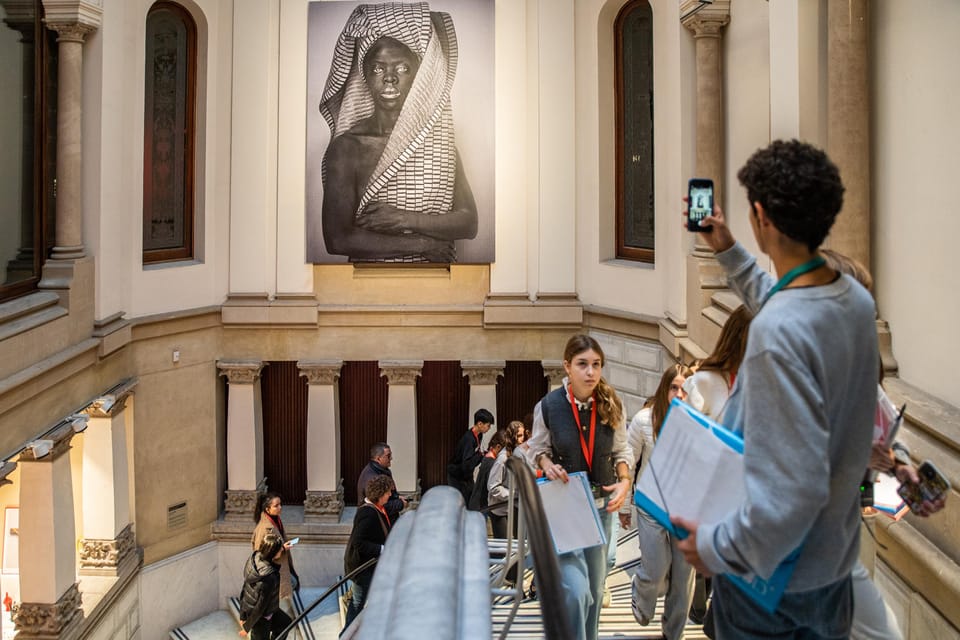
- World’s only collection dedicated to censored and prohibited art with 200+ works
- A free digital guide in Catalan, Spanish, and English on your own phone or device
- Access includes the exhibition plus the terrace area
- Set in a modernist building (Casa Garriga Nogués) near Passeig de Gràcia
- Security control + no bags, no food or drinks, so travel light
Why Barcelona Has a Museum for Censored Art
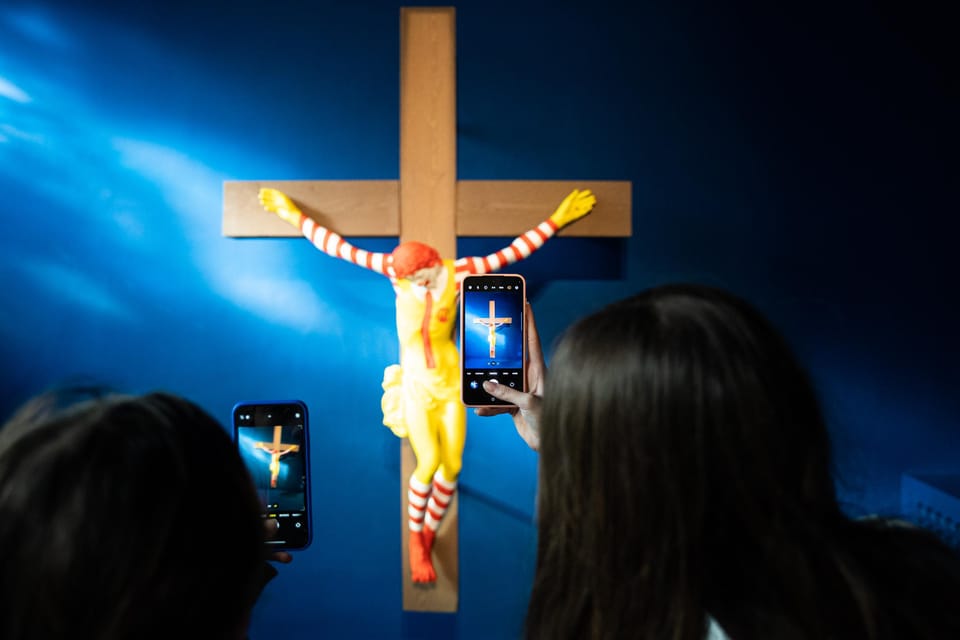
The Museu de l’Art Prohibit exists because free expression has always had friction. Instead of treating controversy like a side note, this museum makes it the main course. You’ll see works that were censored or banned, and you’ll also see the reason those debates mattered—art, politics, religion, identity, and the rules people tried to impose.
I especially like how the collection spans famous names and real cultural power. You’ll run into artists such as Pablo Picasso, Andy Warhol, and Banksy, plus voices like Ai Weiwei and artists whose works challenged social norms. It’s a strong mix, and it helps you understand that censorship isn’t only about one era. It pops up whenever a society feels threatened by an idea.
You can also read our reviews of more tours and experiences in Barcelona
Finding Museu de l’Art Prohibit Near Passeig de Gràcia
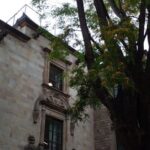
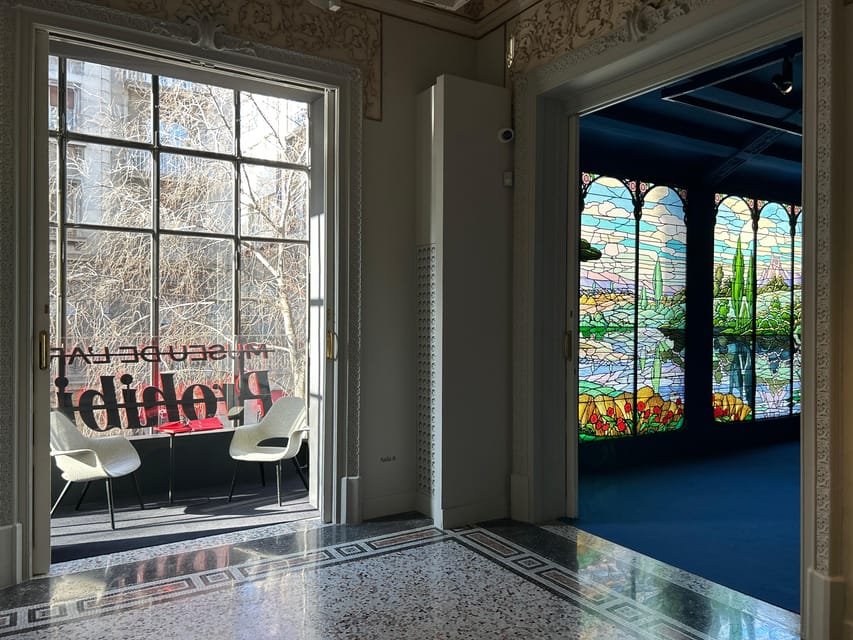
Location is a major win here. The museum sits in Casa Garriga Nogués, a modernist building from the early 20th century, and it’s about a one-minute walk from Passeig de Gràcia. That means you can tack this onto a day already focused on Barcelona’s architecture without losing half your afternoon to transit.
You’ll also be close to landmark stops like Casa Batlló and La Pedrera. Even if you don’t tour them, the neighborhood is a great place to wander between sights with a lot of “walk-by” energy. I like that you’re not stuck in a remote museum zone. You can treat this as one purposeful stop inside a bigger day.
Ticket Value: $14 for the Museum and a Built-In Guide
At $14 per person, this ticket isn’t trying to compete with the mega-museums on sheer size. It’s a focused experience, and the value comes from two things you get upfront: entry to the exhibition (plus the terrace) and the free digital guide.
That digital guide matters more than you might think. Censored art can feel confusing at first glance if you only have the artwork in front of you. The guide gives context and multimedia information about why specific works were targeted and what impact that had. For me, it turns the visit from just seeing provocative pieces into understanding why the controversy happened in the first place.
There’s also free Wi‑Fi, so you’re not hunting for a connection to get the guide going. If you’ve ever stood in a museum wondering how long it takes for your phone to load content, you’ll appreciate this practical touch.
What You’ll Actually See in the Exhibition
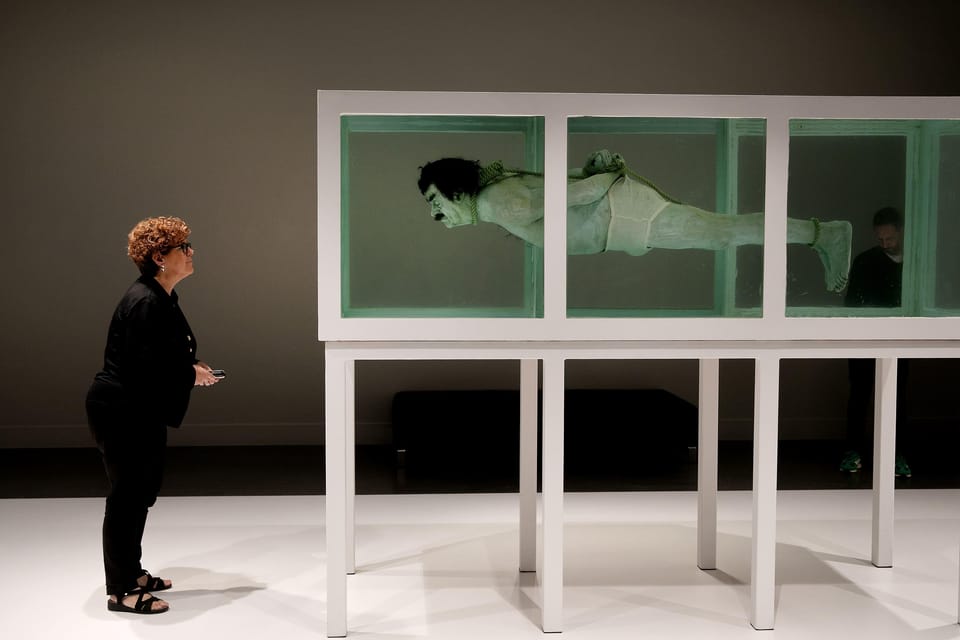
The museum brings together over 200 artworks that have faced censorship or prohibition. As you move through the space, the theme stays consistent: the museum collects art that got stopped, challenged, or forced into the shadows. That gives the visit a clear through-line.
Expect to encounter a range of artists and styles. The information mentions works and creators including Goya, Picasso, Warhol, Ai Weiwei, and Banksy. It also references modern and contemporary names like Inés Doujak, Robert Mapplethorpe, Tania Bruguera, and Abel Azcona. You may also see artists such as Gustav Klimt, Miquel Barceló, and Haring.
One practical way to approach it: don’t rush. Even if you’re not a scholar, you’ll benefit from taking time with the context around each work. The museum’s concept depends on you noticing not just what the art is, but what it challenged—and what authorities tried to control.
The Terrace and Why This Part Feels Like a Breather
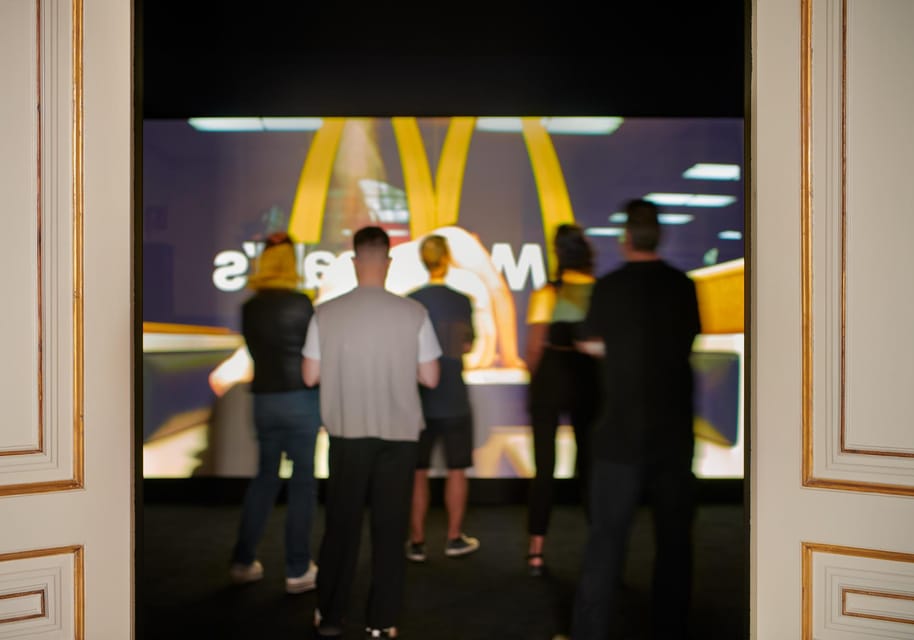
Your general admission includes access to the terrace area. In a museum built around heavy themes, that matters. You get a change of pace, a quick reset for your eyes, and a chance to step outside the walls without leaving the ticketed experience.
I like terrace time because it helps you process what you just saw. You can let the ideas sit for a minute before you move back into the exhibition. It also makes the overall visit feel longer than it might on paper.
You can also read our reviews of more museum experiences in Barcelona


Use the Digital Guide on Your Own Device (It’s Part of the Experience)
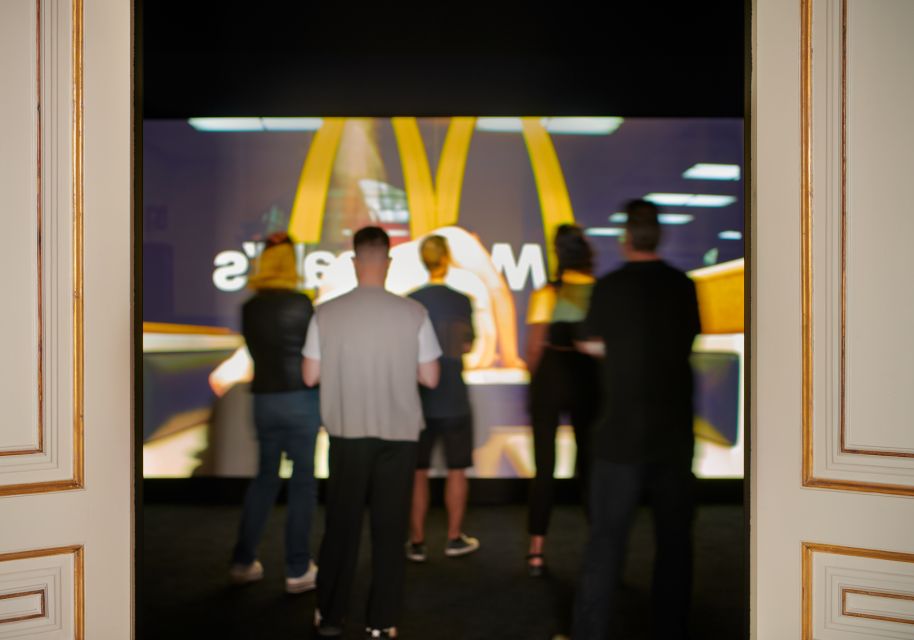
The museum provides a free interactive digital guide available in Catalan, Spanish, and English. It’s designed for you to use on your personal device, and it includes multimedia and background information about the artistic context and impact of prohibited works.
Here’s how I’d use it for the best payoff:
- Start the guide early so you get oriented while you’re fresh.
- Pause and read context before you judge. Censorship can change what people think a piece is “about.”
- Switch languages only if you truly need to. The guide is your main bridge between art and meaning.
If you’re traveling with someone who wants different pacing, this format works well. One person can spend extra time with sections that pull them in, while the other keeps moving. You’re not forced into the same rhythm the whole time.
Security and Rules: Small Annoyances That Matter
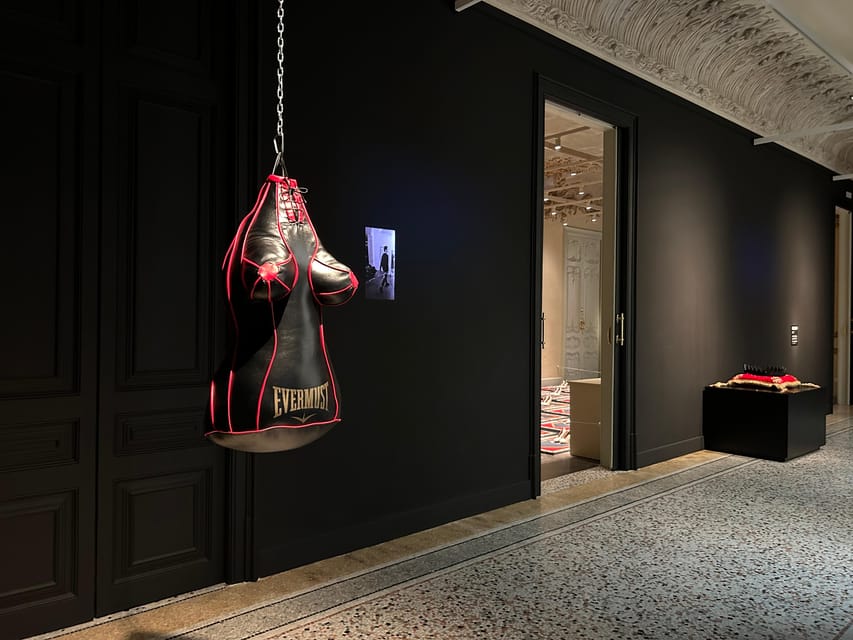
All visitors must pass through security control. That’s not unusual for museums in major cities, but it does affect timing. Go with a calm mindset and plan to enter a little earlier than you think.
You also need to know the restrictions:
- Pets are not allowed.
- Food and drinks are not allowed.
- Bags are not allowed.
That last point can surprise people. If you show up with a tote, a backpack, or anything bigger than you intended, you may have to rethink how you carry your day. I recommend keeping your load minimal. If you’re bringing essentials for the day, use a compact approach so you’re not stuck in friction right at the entrance.
The good news: the rules are straightforward, and once you’re through security, the visit should flow smoothly.
When This Museum Works Best for You
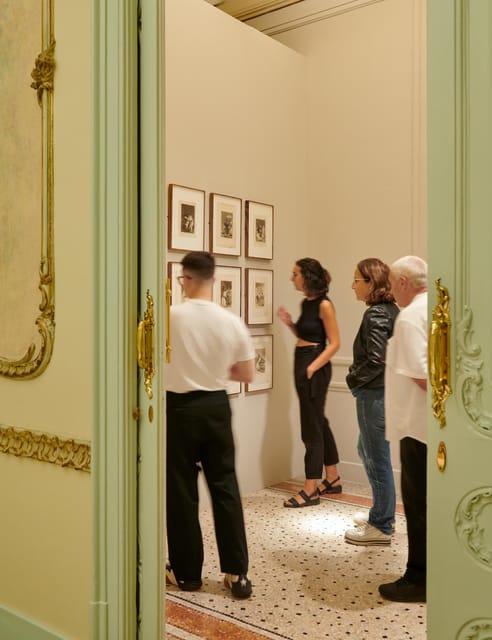
This is the kind of museum that fits best when you enjoy ideas, not just aesthetics. If you like art with a message, and you’re curious about how societies try to control what gets seen, you’ll probably enjoy this.
It’s also a smart stop for people who want something different from the standard Barcelona checklist. The museum is smaller than the big-name institutions, so it can feel more like a focused conversation than a mass experience.
That said, it’s not suitable for children under 13, and the subject matter leans into censorship and political and social tension. If you’re bringing teens or older kids, you’ll want to consider maturity and interest in the topic.
Timing Tips: Pick a Starting Time and Check the Day
Your ticket has validity between 1 and 180 days, and you should check availability to see starting times. That gives you flexibility, but it also means your visit depends on the time slots shown for the day you choose.
One practical tip: double-check the opening pattern for your travel dates. There are cases where people selected a day only to find the museum wasn’t open that day, and then had to adjust. So before you commit, verify the specific day you plan to go and the starting time you’re selecting.
Pair It With Other Passeig de Gràcia Stops
Because the museum sits near Passeig de Gràcia, I love building a simple route:
- Start with one major architecture stop in the area.
- Walk over to Museu de l’Art Prohibit for your thought-provoking, smaller-canvas experience.
- Finish with another nearby landmark or a long coffee break.
Casa Batlló and La Pedrera are natural companions for this kind of day. Even if you only do one of them, the neighborhood makes the walk feel like part of the sightseeing.
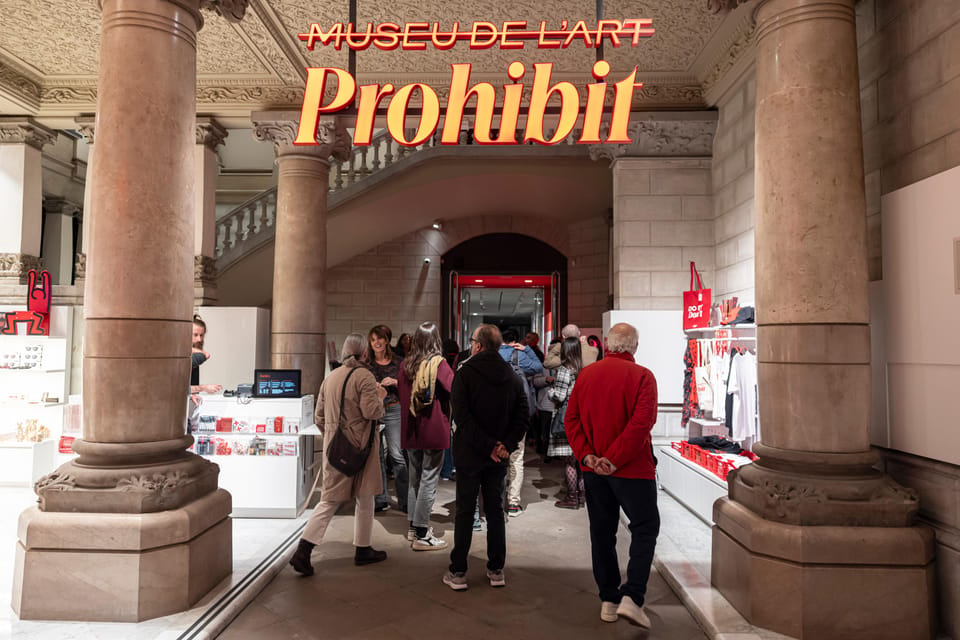
Also, the museum has a gift shop at the entrance. If you like bringing home something related to the theme, it’s an easy add-on right where you enter.
Should You Book the Museu de l’Art Prohibit?
Book it if you want a museum visit with a point of view. For $14, you get entry to a focused collection of censored art, plus a free digital guide that actually explains the context behind the controversy. This is excellent value if you enjoy reading a little, thinking a little, and connecting art to real-world power struggles.
Skip it—or at least rethink your timing—if you’re traveling light and hate rules, since bags aren’t allowed and you’ll go through security. Also, if your travel group includes kids under 13, this one likely won’t fit.
If your Barcelona plan includes Passeig de Gràcia anyway, this ticket is an easy way to make the day more than just architecture photos. It’s not trying to be comfortable in the way most museums are. It’s meant to make you pause.
FAQ
What is included with the Barcelona Museum of Forbidden Art entry ticket?
Your ticket includes access to the Museu de l’Art Prohibit exhibition and the terrace area. It also includes a free interactive digital guide (available in Catalan, Spanish, and English) and free Wi‑Fi.
What’s the price of the ticket?
The price is listed as $14 per person.
Where is the museum located?
The museum is in Casa Garriga Nogués, and it’s about a one-minute walk from Passeig de Gràcia. It’s also close to attractions like Casa Batlló and La Pedrera.
Do I need to bring anything?
You should bring a passport or ID card. Children also need a passport or ID card.
Are food, drinks, or pets allowed?
No—food and drinks are not allowed, and pets are not allowed.
Are bags allowed inside?
No, bags are not allowed.
Is the museum wheelchair accessible, and is it suitable for children?
The museum is wheelchair accessible. It is not suitable for children under 13 years.