REVIEW · BARCELONA
Barcelona: Museu Nacional d’Art de Catalunya Entrance Ticket
Book on GetYourGuide →Operated by Museu Nacional d'Art de Catalunya · Bookable on GetYourGuide
Barcelona’s art view starts on the stairs.
The Museu Nacional d’Art de Catalunya packs world-famous Romanesque mural paintings into an unbelievable 1929-era building, and I love that it also gives you Catalan Modernism through figures like Gaudí and Casas, plus major European Renaissance and Baroque names like Tiziano and Velázquez. One small drawback: the terraces/rooftop are temporarily out of service right now, so you’ll want to lean on the museum floors and the viewpoints you can still reach from outside.
Plan on a relaxed visit. The collections run on two floors, and you really do need a couple of hours to see more than just the highlights. Also, the museum doesn’t want you drifting past closing time, since the rooms are emptied before the official end.
In This Review
- Key things that make MNAC worth your time
- Palau Nacional: the building that turns your ticket into a mini-city tour
- Romanesque mural paintings: the reason MNAC sits on art lovers’ shortlists
- Catalan Modernism inside MNAC: Gaudí and Casas in a museum setting
- Renaissance and Baroque galleries: Tiziano, Velázquez, and European “big names”
- Two floors of art: how to pace your visit without getting overwhelmed
- Photography collection: a quieter layer you might not expect
- Montjuïc views and the terrace situation: what you can count on now
- Using your smartphone audio guide the easy way
- Ticket value: what $14 gets you and why it’s a smart use of a day
- Small annoyances to plan around (because nothing’s perfect)
- Who should book MNAC tickets?
- Should you book MNAC tickets?
- FAQ
- Where is the Museu Nacional d’Art de Catalunya (MNAC) located?
- What’s included with this entrance ticket?
- How long should I plan to spend at MNAC?
- What languages are available for the audio guide?
- Are the terrace and rooftop areas open?
- When is admission free?
Key things that make MNAC worth your time
- Romanesque mural paintings that are famous for a reason, displayed in a way that lets you actually study them
- Catalan Modernism section with major names like Gaudí and Casas
- Old Masters across Europe, including works by Tiziano and Velázquez
- Two-floor layout that’s big, but broken into sections so you don’t feel lost the whole time
- Smart audio guide via a smartphone app, available in multiple languages
- Montjuïc setting where the building and the surroundings add context to what you’re seeing
Palau Nacional: the building that turns your ticket into a mini-city tour
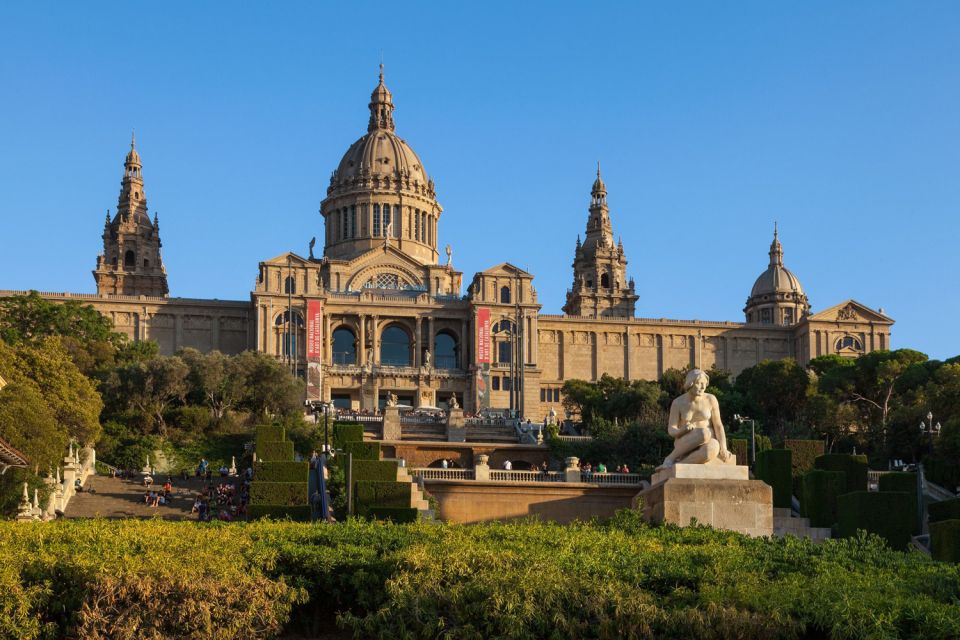
You don’t enter MNAC like you enter a typical museum. You climb into a landmark. The museum sits inside the Palau Nacional on Montjuïc, a building created for the International Exposition in 1929. That matters because it changes how you experience the art. The place feels grand and official, like someone wanted the culture to be taken seriously—and it works.
Start with the outside first, even if you only have a few minutes. The reviews consistently point to the striking architecture and the sense that the whole site is part of the show. Once you’re inside, the “wow” factor continues, and the museum’s flow helps you move from major art periods to another without constantly fighting your bearings.
You can also read our reviews of more tours and experiences in Barcelona
Romanesque mural paintings: the reason MNAC sits on art lovers’ shortlists
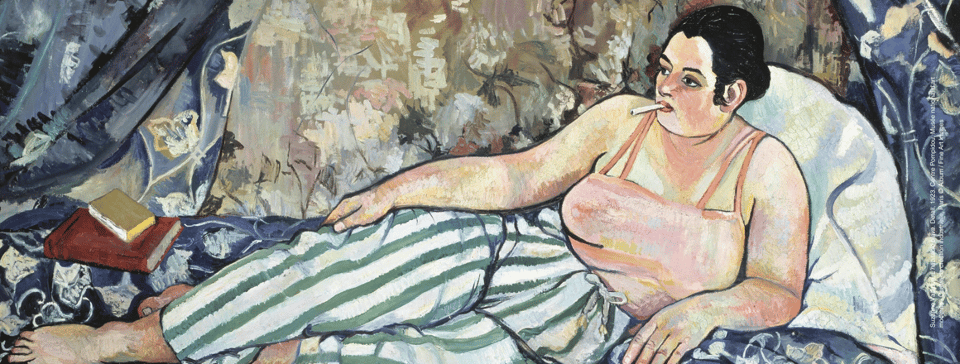
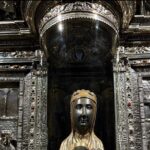
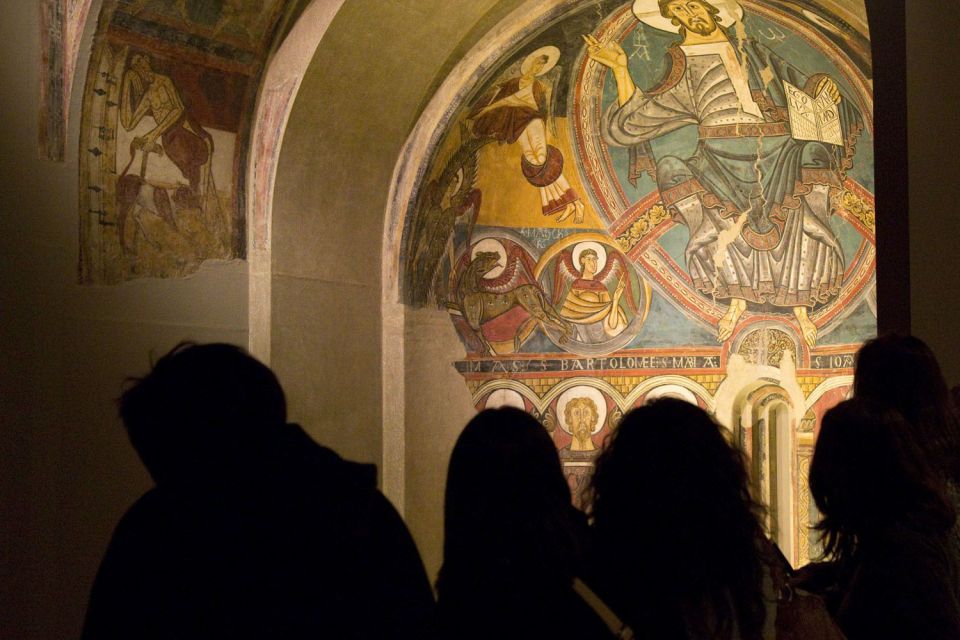
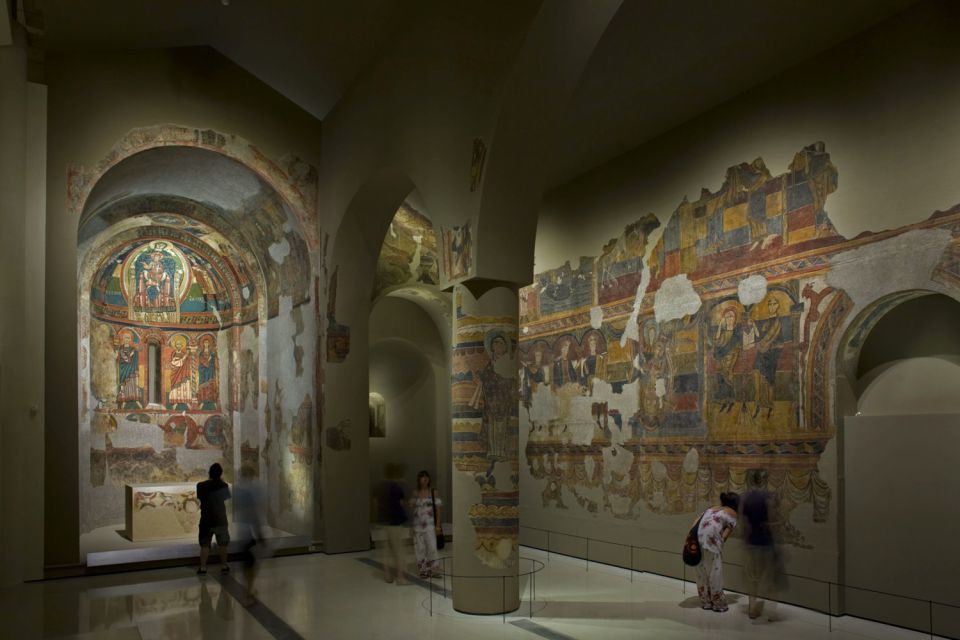
MNAC is most famous for its Romanesque mural paintings. That’s not just marketing copy. You’ll see why once you’re standing in the galleries that hold these rescued works.
This is the part of the museum that can feel almost museum-like and almost church-like at the same time. One of the most meaningful things about MNAC is the attention given to the way older artworks were removed and preserved so they could live here instead of disappearing. If you’re the type who likes art with a backstory—how it survived, how it was restored, how it ended up here—this is the strongest emotional section of the museum.
Practical tip: give yourself time in the Romanesque areas even if you think you’re not an expert. The murals reward slow looking. If you’re rushing, you’ll miss what makes them special.
Catalan Modernism inside MNAC: Gaudí and Casas in a museum setting
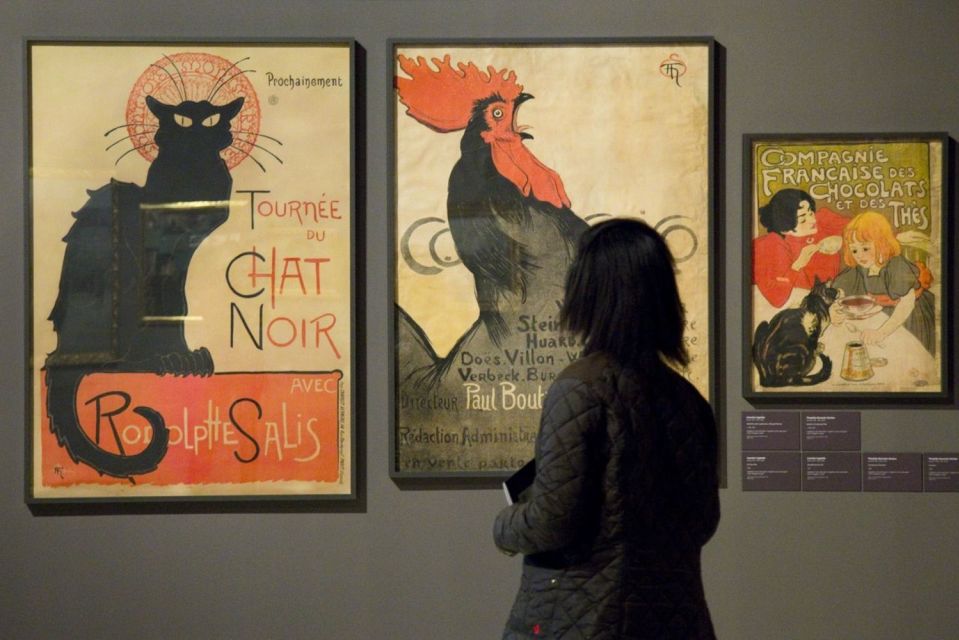
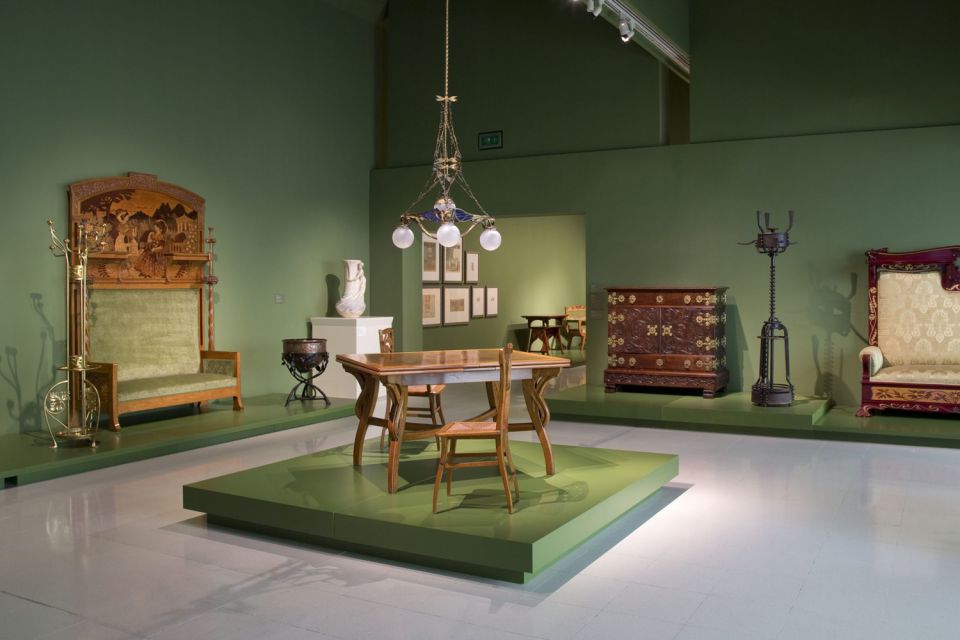
After you’ve taken in the older mural paintings, MNAC shifts gears into the world of Catalan Modernism. This is where you’ll find key names tied to the Catalan artistic identity—like Gaudí and Casas.
What I like about seeing Modernism here is the contrast. Barcelona is full of Gaudí outside the museum, but at MNAC you’re seeing how Catalonia’s artistic ideas connect across time. Modernism doesn’t feel random when it follows centuries of preserved and collected works. It feels like part of a long conversation.
If your Barcelona plan leans toward architecture, MNAC gives you a different angle: you get fine art and design-minded thinking without needing to chase every famous façade.
Renaissance and Baroque galleries: Tiziano, Velázquez, and European “big names”
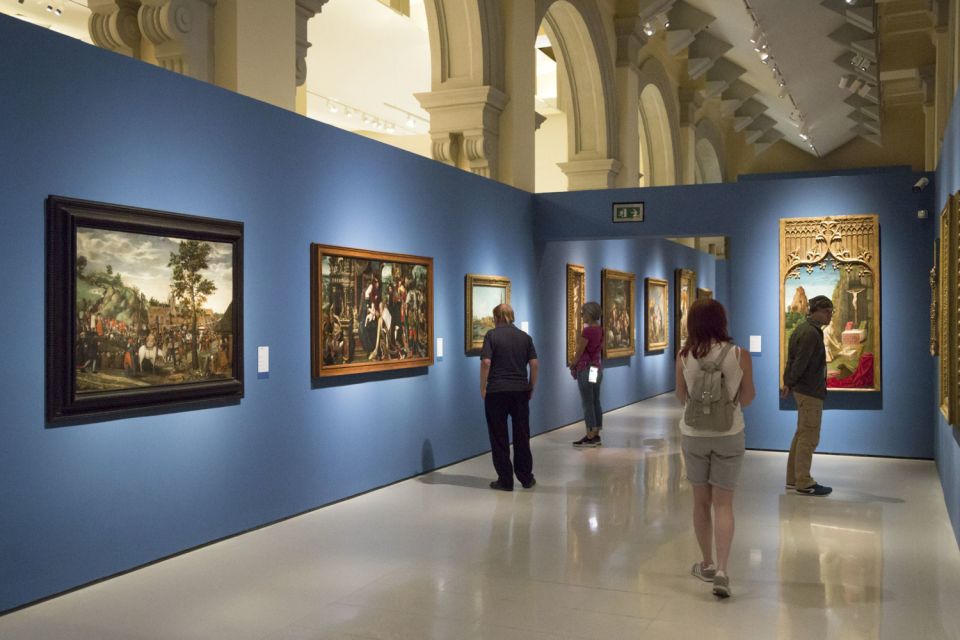
MNAC also includes major works from European Renaissance and Baroque painters. The highlights you’ll want on your radar include Tiziano and Velázquez.
This matters because it changes who will enjoy MNAC. Even if you mainly came for Catalan art, you’ll have strong European anchors in the mix. And if you’re a fan of Old Masters, MNAC gives you more than one or two pieces—it offers a sustained set of galleries from that artistic world.
One practical note: the museum is large. You can’t treat it like a 60-minute stop unless you’re determined to only see one or two sections.
Two floors of art: how to pace your visit without getting overwhelmed
The museum’s collections are displayed across two floors, and the smartest way to enjoy MNAC is to pace it by section rather than by panic. The layout helps, and signage/maps are reported as clear, which you’ll appreciate the moment you try to find the next gallery.
How long should you plan? A couple of hours is a realistic target if you want to see a good cross-section. But if you’re the type who reads labels and slows down for the murals, plan for more. Some visits reported spending over four hours, and at that point you’re treating MNAC like a real experience, not a quick checkmark.
Also, keep your eyes on time near closing. Ticket offices stop serving visitors 30 minutes before closing, and rooms are emptied 15 minutes before closing time. In other words, you don’t want to start your final gallery sprint late in the day.



Photography collection: a quieter layer you might not expect
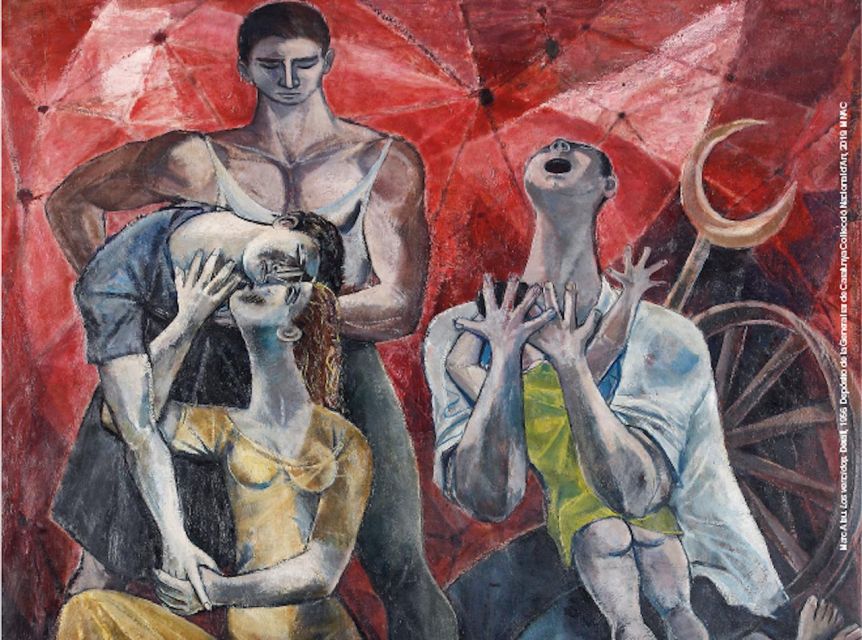
Not everything at MNAC is painting. The museum also has a collection of photography, which can be a good reset after the heavier mural and masterwork galleries.
If you’ve ever felt like a museum becomes a one-style experience, this helps break the rhythm. Even if you only spend a short stretch with the photos, it can make the museum feel more layered and more tied to history and documentation.
Montjuïc views and the terrace situation: what you can count on now
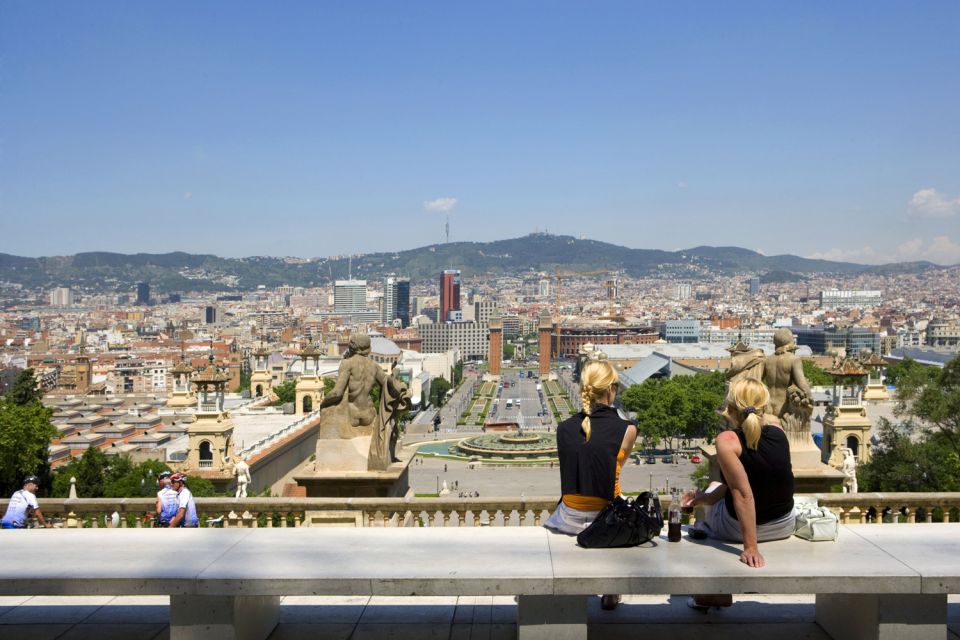
Montjuïc is part of the experience, not just the address. The setting gives you chances to look over Barcelona, and several reviews highlight that rooftop-style viewpoints are a big draw.
Here’s the catch: the terraces and rooftop are temporarily out of service due to current health regulations. So don’t plan your visit around rooftop time. You may still enjoy views from outside areas around the museum, but your best “high-up” moments might be limited right now.
In summer, it can also feel exhausting to work your way around outdoors. One review notes summer heat and mentions bars along the steps and escalators, which is exactly the kind of practical reality check that helps. If you’re sensitive to heat, build in slower indoor time.
Using your smartphone audio guide the easy way
The ticket includes an audio guide app for your smartphone, and it covers a wide set of languages: Catalan, Spanish, English, French, German, Italian, Russian, Japanese, and Chinese.
Two small things make a big difference:
- Bring headphones
- Have your smartphone charged
The audio guide doesn’t just add facts. It helps you understand what you’re looking at, especially if you’re moving between time periods quickly. And since the museum covers multiple eras—from Romanesque to Modernism to Renaissance and Baroque—having audio support makes the experience smoother.
One caution from reviews: some sections may feel light on translation depending on where you are in the museum. If you read labels in English and are hoping everything is fully interpreted, you might find a few gaps in certain areas.
Ticket value: what $14 gets you and why it’s a smart use of a day
At about $14 per person, MNAC is priced like a practical add-on that can anchor half a day (or more). What you’re paying for is more than entry:
- admission to the permanent collection
- admission to a temporary exhibition
- an audio guide app
- skip the ticket line
That bundle is the value story. You’re not just buying access to walls and paintings; you’re buying time-saving, plus context, plus multiple collection types in one place. And because the building itself is a major sight on Montjuïc, the entrance feels like part of the day, not a separate chore.
Where the value can feel weaker: if you only want one tiny slice of art and you’re the kind of visitor who arrives with a strict 60-minute timeline, MNAC is big enough that you’ll feel rushed. In that case, the price still isn’t bad—you just won’t experience what you paid for.
Small annoyances to plan around (because nothing’s perfect)
Most reviews lean very positive, but there are a few realities you should know.
Toilets come up. One review calls them small and cramped and not the cleanest, while another says toilets were clean. Translation: expect typical museum conditions, not a luxury rest stop.
Heat and walking can also catch you off guard on Montjuïc. Even though there are elevators nearby mentioned in reviews, you’ll still do some stairs and moving around.
Finally, rooftop plans need flexibility. The museum’s terraces/rooftop are temporarily closed, so keep your expectations grounded in what’s open now.
Who should book MNAC tickets?
MNAC is a strong match if:
- you want a museum with serious art periods in one building (Romanesque through Old Masters through Modernism)
- you like sites where the building matters, not just the collection
- you’re spending more than one day in Barcelona and want a calmer, culture-forward option
It may feel less ideal if:
- you only have a strict 60-minute window and want only one area
- you’re not interested in art history at all and just want quick photo stops
For families, it’s mixed. One review notes that a child got bored and needed to dash around. That doesn’t mean it’s a bad stop, but it does mean you’ll want to keep the visit active—pick a few “must-see” galleries and let the rest be optional.
Should you book MNAC tickets?
Yes, I’d book MNAC tickets if you want a high-value art experience that combines rescued Romanesque masterpieces, Catalan Modernism, and European masters in a landmark setting. The $14 price makes it easy to slot into a Barcelona day, and the included audio guide helps you get meaning from the works rather than just looking.
But book with a plan: the museum is large, give it at least a couple of hours, and don’t rely on rooftop time since terraces/rooftop are temporarily out of service. If you build your visit around the galleries first, you’ll come away feeling like you got a real slice of Barcelona’s cultural identity.
FAQ
Where is the Museu Nacional d’Art de Catalunya (MNAC) located?
It’s at Palau Nacional s/n, Parc de Montjuïc, 08038 Barcelona.
What’s included with this entrance ticket?
The ticket includes admission to the permanent collection, admission to a temporary exhibition, and an audio guide app for your smartphone.
How long should I plan to spend at MNAC?
Plan on a couple of hours to see the collections comfortably, since the galleries are spread across two floors.
What languages are available for the audio guide?
The audio guide app includes Catalan, Spanish, English, French, German, Italian, Russian, Japanese, and Chinese.
Are the terrace and rooftop areas open?
No, the terraces and rooftop are temporarily out of service due to the difficulty of managing and complying with current health regulations.
When is admission free?
Admission is free on Saturdays from 15:00 onwards, the first Sunday of each month, and also on specific dates including 12 February, 18 May, 11 September, and 24 September.
If you tell me what else you’re doing that day (Gothic Quarter, Sagrada Família, beach time, or Montjuïc attractions), I can suggest the best order to fit MNAC without rushing.