REVIEW · BARCELONA
Barcelona Highlights: The Best of Gaudi On Segway
Book on GetYourGuide →Operated by Euro Segway · Bookable on GetYourGuide
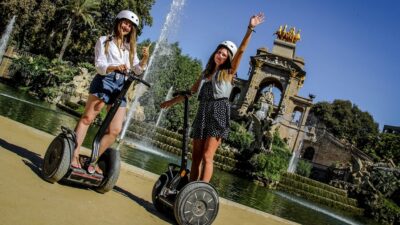
Two wheels make Gaudí’s Barcelona feel faster. What I like most is the private-group pace (so the guide can adjust to you) and the hands-on Segway training that gets you comfortable before you hit the streets. You’ll connect the Gothic Quarter, Modernisme landmarks in L’Eixample, and the unfinished towers of Sagrada Família in one 3-hour loop, with helmets and raincoats provided.
There’s a catch. The riding restrictions are strict—no children under 16, no pregnancy, no heart problems, and you must fall within the weight limits. And because some streets are tight (especially near the Gothic Quarter), you really have to follow the guide’s speed and safety cues from the first minutes.
In This Review
- Key highlights you’ll actually feel
- Entering Barcelona’s Gaudí world at Segway speed
- The Segway lesson that makes or breaks the tour
- Gothic Quarter: tight streets, Roman reminders, and smart photo stops
- Port Vell and the Muralla de Mar: where the city meets the sea
- Estació de França and Vila Olímpica: Barcelona’s modern rhythm
- Parc de la Ciutadella: your built-in green reset
- Arc de Triomf and the Expo to Olympic timeline
- Passeig de Gràcia: where Modernisme looks like theater
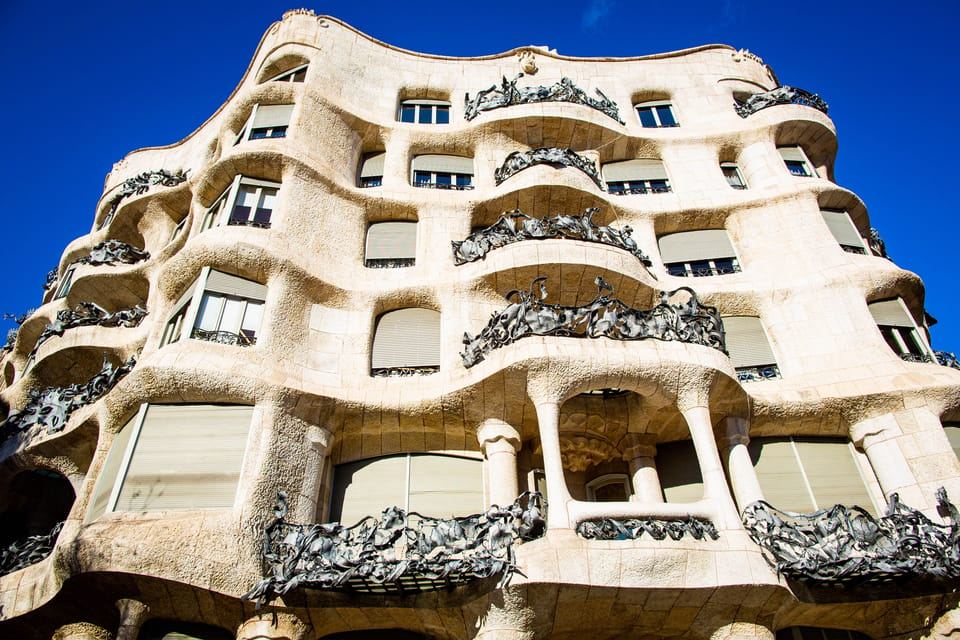
- Casa Milà (La Pedrera): stone that behaves like motion
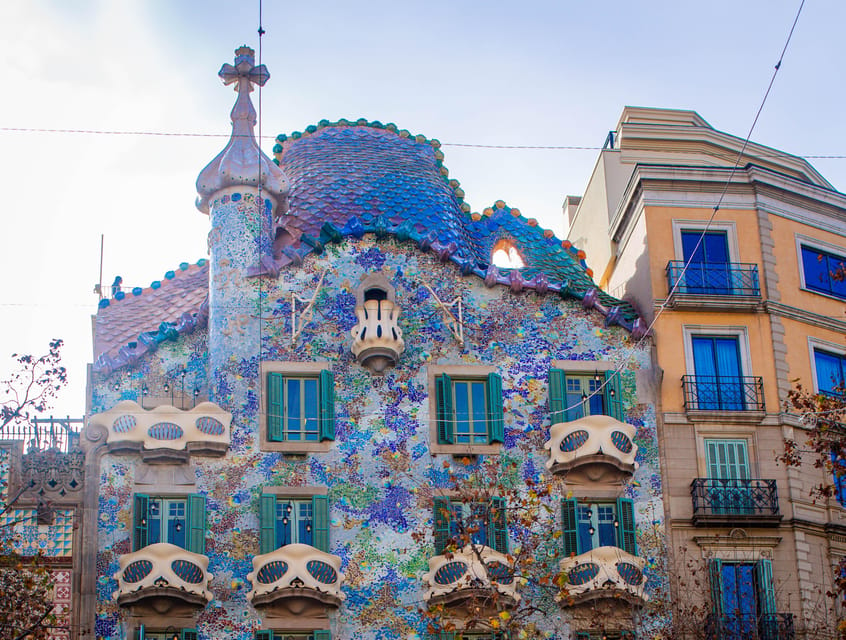
- Casa Batlló: a façade built for constant looking
- Sagrada Família from the street: the unfinished towers still hit
- How much is it, and is it worth $117 for 3 hours?
- Who this Segway tour suits best (and who should skip it)
- Should you book this Gaudí Segway tour?
- FAQ
- How long is the Barcelona Highlights: The Best of Gaudi On Segway tour?
- Where do I meet the guide?
- Do I need Segway experience before I go?
- What’s included in the price?
- What languages are available for the live guide?
- Who is this tour not suitable for?
Key highlights you’ll actually feel
- Segway confidence fast: a lesson plus a test drive before the main ride
- Gothic Quarter glide: narrow lanes and quick photo stops without the walking fatigue
- Modernisme on Passeig de Gràcia: Casas Milà and Batlló plus the big-picture story behind them
- Sagrada Família viewpoints: see the unfinished towers up close from street level
- City green break at Parc de la Ciutadella: a calmer, greener reset mid-tour
- Expo-to-Olympics route: Arc de Triomf (1888 World Expo) to the Vila Olímpica area
Entering Barcelona’s Gaudí world at Segway speed
Barcelona is a city of contrasts: crumbling stone lanes beside sweeping boulevards, and medieval walls next to showy Modernisme façades. This tour’s value is that it helps you see a lot of that change in only 3 hours, without turning the whole day into a leg workout.
I also like how it’s framed. You’re not just chasing icons. You start with the Roman-era Barcelona story (Barcino and its 4th-century wall) and then roll forward through the “golden ages” when Gaudí and his Modernisme peers shaped the city. It makes each stop click into place, from the Gothic Quarter shortcuts to the grand avenues of L’Eixample.
Finally, it’s private group. That matters in a city where crowding can wreck the experience. With your guide, you can ask questions, slow down for photos, and keep your energy for what you care about most.
You can also read our reviews of more tours and experiences in Barcelona.
The Segway lesson that makes or breaks the tour
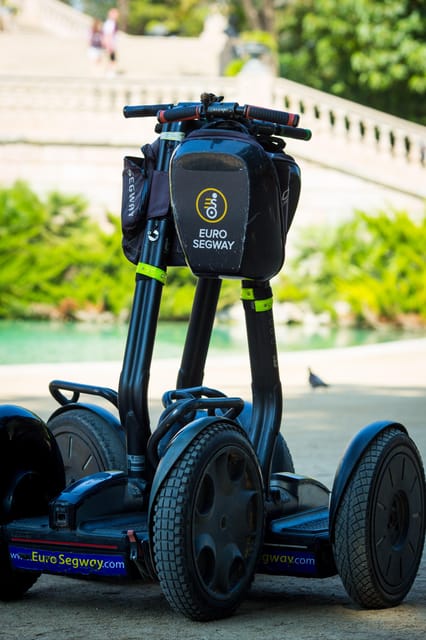
Before you go sightseeing, you get basic training and a test drive. The briefing happens at the start area near Plaça dels Traginers, and it’s long enough that most first-timers can understand the controls before you ride with confidence.
In the real world, this kind of intro is everything. Segways are intuitive once you learn the braking and balance basics, but you need that first on-vehicle practice while the guide can still reset you. On this tour, you also get helmets and raincoats, which is a small thing that adds up when you’re moving for hours.
I’d plan to arrive ready to focus. If you treat the training like a formality, you’ll feel it later on narrower streets. But if you listen, adjust your posture, and practice turning at low speed, the ride becomes smoother and way more fun.
Gothic Quarter: tight streets, Roman reminders, and smart photo stops
The tour begins with the vibe shift you expect in the Gothic Quarter: narrower streets, older stone, and that sense of real Barcelona rather than postcard Barcelona. The guide shows you key points along the way, with short guided moments and photo stops so you’re not stuck in long lectures while also not missing the meaning.
One early lesson is the Roman wall of Barcelona, built when the city was known as Barcino. Even if you don’t picture every stone exactly, you’ll understand why the Gothic Quarter feels “built on top of itself.” It’s the kind of context that makes your walk-and-look instincts work better once you’re out on your own later.
You also get quick stops at landmarks along the way—like El Cap de Barcelona and the Columbus Monument—where the guide points out what you should notice instead of letting you wander with zero direction.
Possible drawback here: tight streets plus traffic means you can’t be careless. Your guide keeps things safe by managing speed, and that’s exactly what you should expect.
Port Vell and the Muralla de Mar: where the city meets the sea
After the Gothic Quarter, the route opens up toward the waterfront area. Port Vell feels like a hinge point in Barcelona: you’re leaving medieval narrowness and moving toward the city’s maritime layers.
You’ll roll past the Baluard de Migdia and the Muralla de Mar area. The names alone hint that this is about defense and coastline. What matters for you is the perspective: Barcelona isn’t only architecture. It’s also walls, ports, and the constant relationship between land and sea.
Along the way, you get guided photo moments rather than long stops. That’s a plus if your goal is breadth in a short time. If you love lingering, you might wish some moments were longer—but the structure keeps the overall tour efficient.
Estació de França and Vila Olímpica: Barcelona’s modern rhythm
As you move on, the city changes shape again. Estació de França and the Vila Olímpica area are reminders that Barcelona doesn’t freeze in time. There’s a “then and now” feeling to this section, where infrastructure and city planning become part of the sightseeing.
This is also where you notice the Segway advantage. Riding lets you cover distance quickly, but you’re still at human-eye level instead of being trapped behind a bus window. You can glance at buildings, street patterns, and the way people actually move.
And because this part of the tour aims toward wider avenues and bike-lane friendly routes, you often get a smoother ride. That matters after the tighter Gothic Quarter streets, when your legs might already be mentally tired even if you didn’t walk much.


Parc de la Ciutadella: your built-in green reset
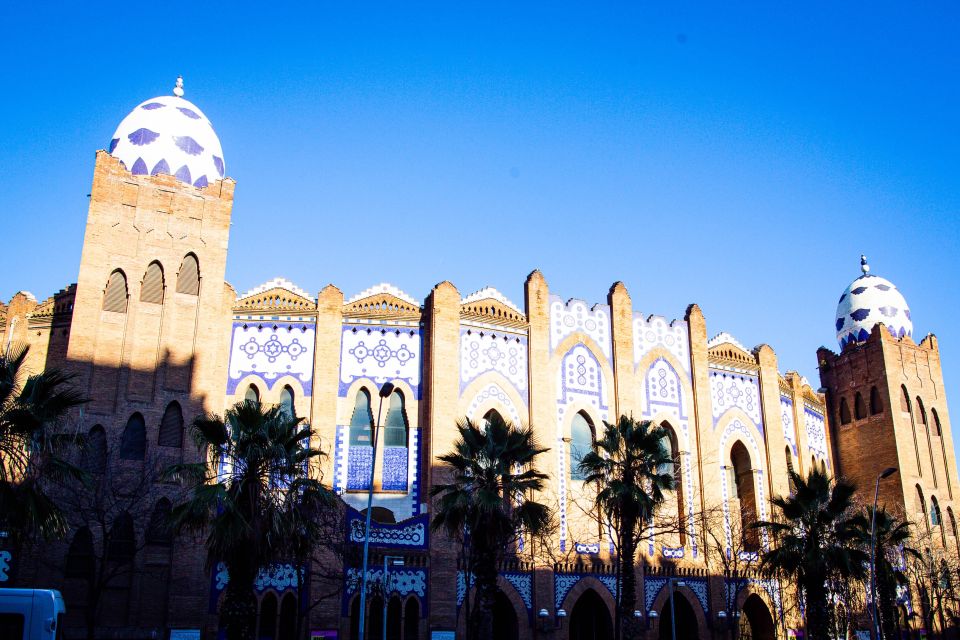
If Barcelona architecture is the main event, Parc de la Ciutadella is the reset button. You’ll get a stop here with guided context, which helps you look beyond just greenery.
This park area matters because it breaks the visual intensity. You go from sharp façades and busy city edges to a calmer space where you can breathe a bit and take photos without everyone crowding in around the same corner.
You’ll also see key park landmarks like the Parliament of Catalonia from the outside and the Neptú fountain area during photo moments. Again, these are guided stops, so you’re not just pointing your camera randomly. The guide’s job is to help you notice the right things quickly.
Arc de Triomf and the Expo to Olympic timeline
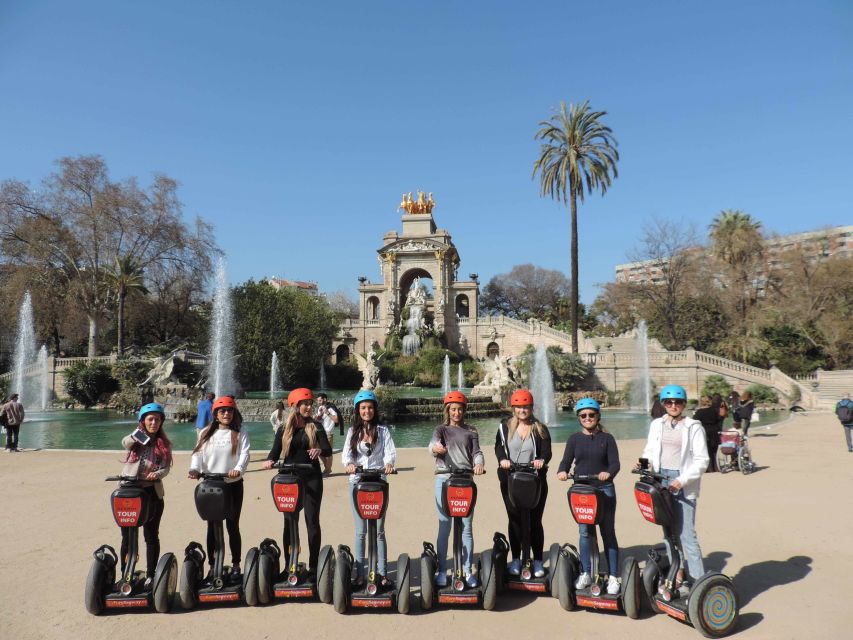
One of the smartest parts of this route is how it threads Barcelona’s “showcase moments” together. Arc de Triomf is built for the 1888 World Expo, and the guide’s explanations help you understand why it fits so naturally into the city’s broader story of modernization.
From there, the tour rolls through more of the city’s open-space feel, including Plaça de Tetuan and the broader boulevards that make L’Eixample such an iconic neighborhood.
The Segway ride is especially good in this section because the roads tend to be more predictable. You get that feeling of cruising through Barcelona’s plan rather than squeezing through it.
Passeig de Gràcia: where Modernisme looks like theater
Passeig de Gràcia is the segment most people imagine when they think of Gaudí-adjacent Barcelona. This is where architecture becomes a street-level performance: ornate façades, bold curves, and details you’d never notice quickly on a busy walk.
You’ll pass by and stop for photos along the way, with guided moments that connect what you’re seeing to the Modernisme movement. You also get direct access to the standout buildings: Casa Milà and Casa Batlló.
Casa Milà (La Pedrera): stone that behaves like motion
Casa Milà is famous for its sculptural stonework, and the guide’s focus helps you see how the building’s shapes relate to the broader Modernisme style—less about straight lines, more about organic forms and playful structure. The stop isn’t an interior visit, so your best strategy is to slow down visually and look upward, then back to the street level details.
If you like architecture that makes you tilt your head and search for patterns, you’ll enjoy this stop.
Casa Batlló: a façade built for constant looking
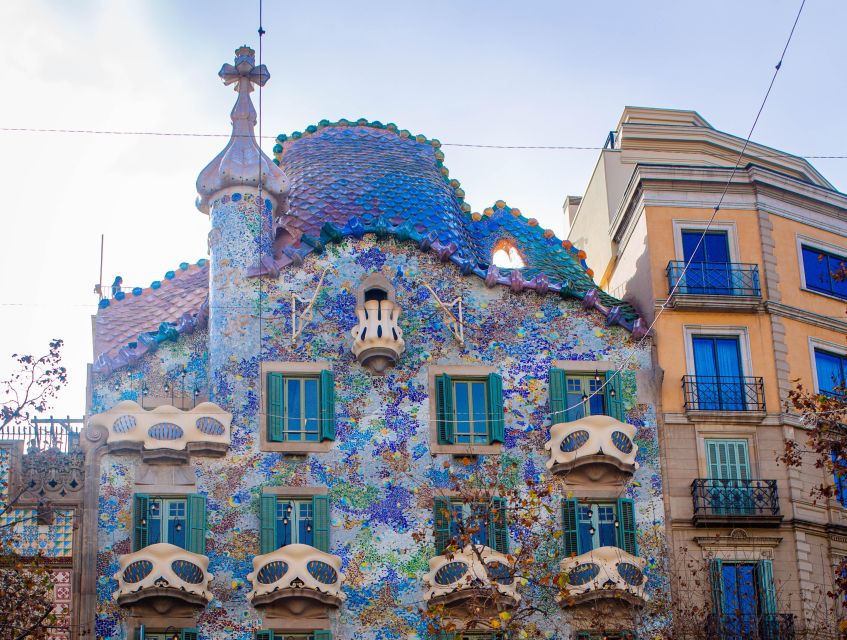
Casa Batlló is the kind of building where photos can’t really capture how much is going on. You’ll stop for guided photo time, and the guide helps you read the façade like a puzzle instead of just a pretty surface.
Because your time is limited, don’t try to photograph everything. Pick one area to study first, then use your phone/camera for a few “proof” shots while you continue looking with your eyes.
Sagrada Família from the street: the unfinished towers still hit
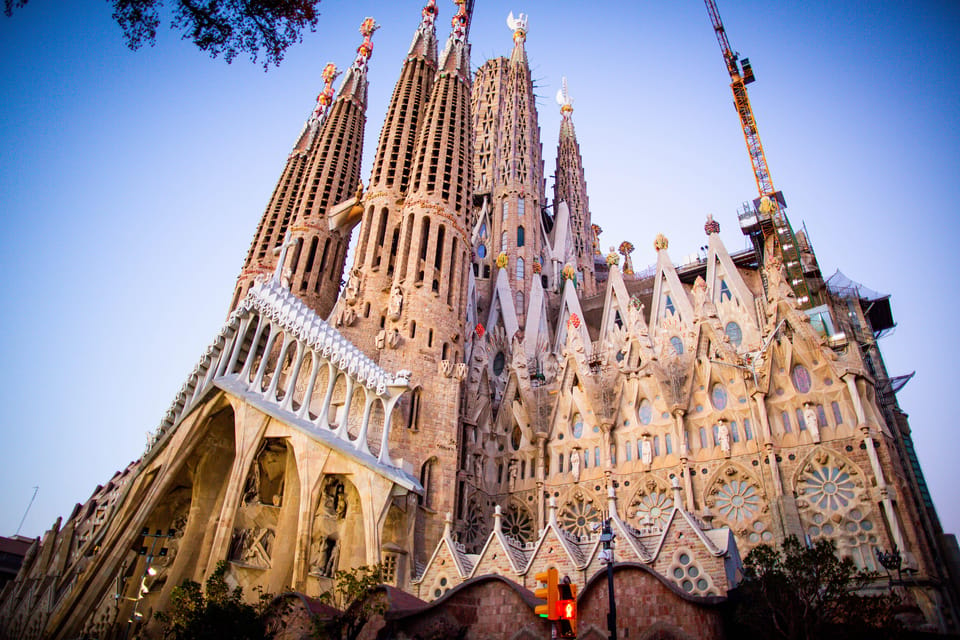
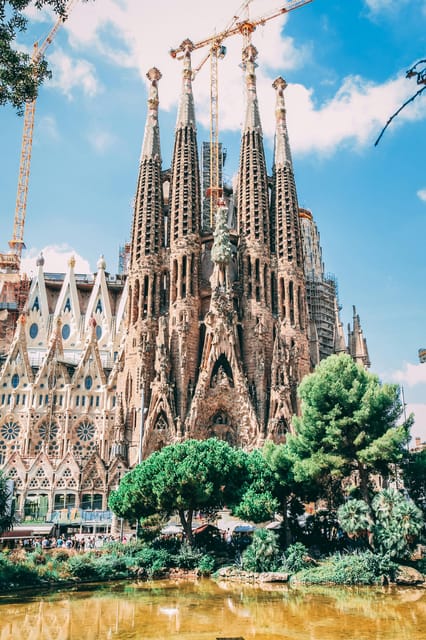
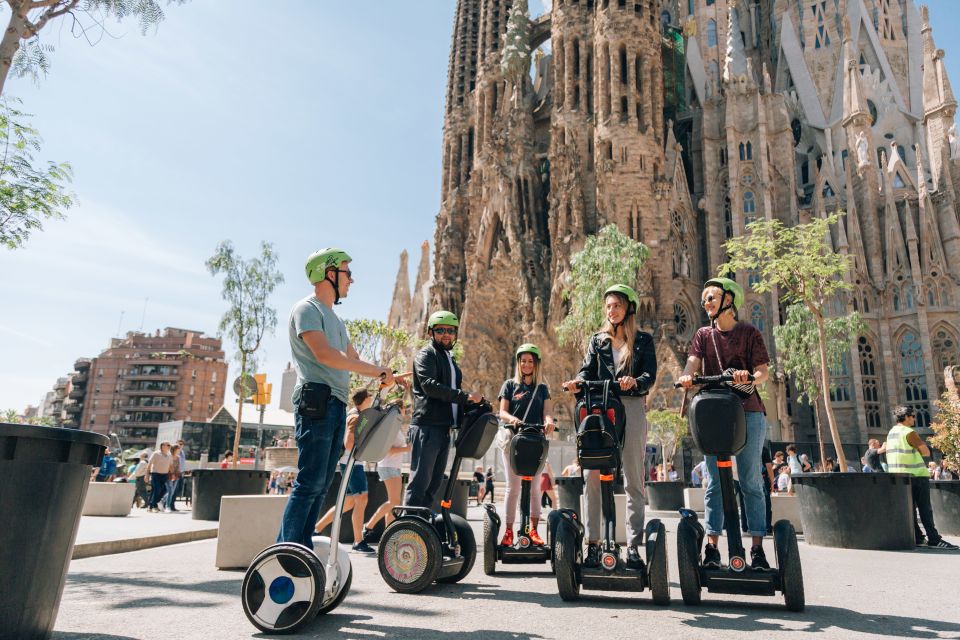
Sagrada Família is one of Spain’s most visited buildings, and it’s also one of the few where the exterior tells its own story. On this tour, you get a guided stop and photo time at street level, including a focused look at the soaring towers and the fact that it remains unfinished.
That unfinished detail matters. It changes how you experience the building. You’re not just seeing a finished monument—you’re watching the project as a living timeline. The guide’s context ties this into the larger Gaudí story, where imagination and long-term ambition show up in stone.
Time reality check: the stop is not a long sit-down. It’s designed to give you the best street-level look in a busy city schedule. If you want museums, interiors, or a full tower viewpoint, you’ll likely add that separately after your Segway tour.
How much is it, and is it worth $117 for 3 hours?
At $117 per person for a 3-hour private Segway tour, the biggest question is what you’re buying besides transportation. You’re paying for three things that are hard to replicate on your own:
- A guide who can connect the dots between Gothic, Modernisme, and Barcelona’s newer city layers
- Segway instruction (lesson, test drive, and ongoing safety management)
- A route that covers distance fast so you see multiple neighborhoods without losing half your time to walking
If your plan is only “see a few Gaudí highlights,” this might feel pricey. But if you want a structured way to see the city’s architectural progression—without worrying about logistics—then the value gets clearer.
Also, helmets and raincoats being included is small but practical. In Barcelona, weather changes can happen quickly, and you don’t want to spend your tour dealing with discomfort.
Who this Segway tour suits best (and who should skip it)
This tour is best for adults and teens who want a guided architecture hit with minimal walking. It’s a strong choice if you have limited time and you want to cover a lot of Barcelona highlights in a single outing.
It also fits people who like the idea of eco-friendly movement. The Segway is quiet and efficient, and it helps you glide between areas while staying at eye level for the sights.
It’s not a fit if any of the restrictions apply: no children under 16, no pregnancy, no heart problems, and strict weight limits (between 35 kg and 135 kg). If you’re unsure, it’s worth checking your own comfort with balancing and braking before you book.
Should you book this Gaudí Segway tour?
I’d book it if you want a guided, neighborhood-spanning Gaudí-and-Modernisme route without turning the day into walking marathons. The combo of Roman-to-Modernisme context, key stops like Sagrada Família and Passeig de Gràcia, and a real Segway lesson makes it feel purpose-built rather than random.
I’d skip it if you want long, slow museum-style time or if you’re not comfortable following safety instructions in traffic-heavy areas. In that case, a walking tour or an architecture-focused tour with longer stops might suit you better.
If you do book, tell your guide what you care about most—big façades, Gothic atmosphere, or the Sagrada tower view. Guides on this route are known for adjusting pace and even route details to match what you plan next, which is exactly how you get your best day out of 3 hours.
FAQ
How long is the Barcelona Highlights: The Best of Gaudi On Segway tour?
The tour lasts 3 hours, including the initial Segway driving lesson and test drive.
Where do I meet the guide?
Meet at Carrer del Correu Vell, 6, 08002 Barcelona.
Do I need Segway experience before I go?
No. You’ll get a Segway driving lesson and a test drive before you start the main route.
What’s included in the price?
The tour includes the Segway driving lesson and test drive, the guide, helmets, and raincoats.
What languages are available for the live guide?
The guide offers live tour service in Spanish, English, French, and Russian.
Who is this tour not suitable for?
It’s not suitable for children under 16, pregnant women, people with heart problems, and people outside the weight limits of 35 kg to 135 kg.