REVIEW · BARCELONA
Barcelona: Discover Gaudí, Sagrada Familia, and Park Güell
Book on GetYourGuide →Operated by Walks France-Spain · Bookable on GetYourGuide
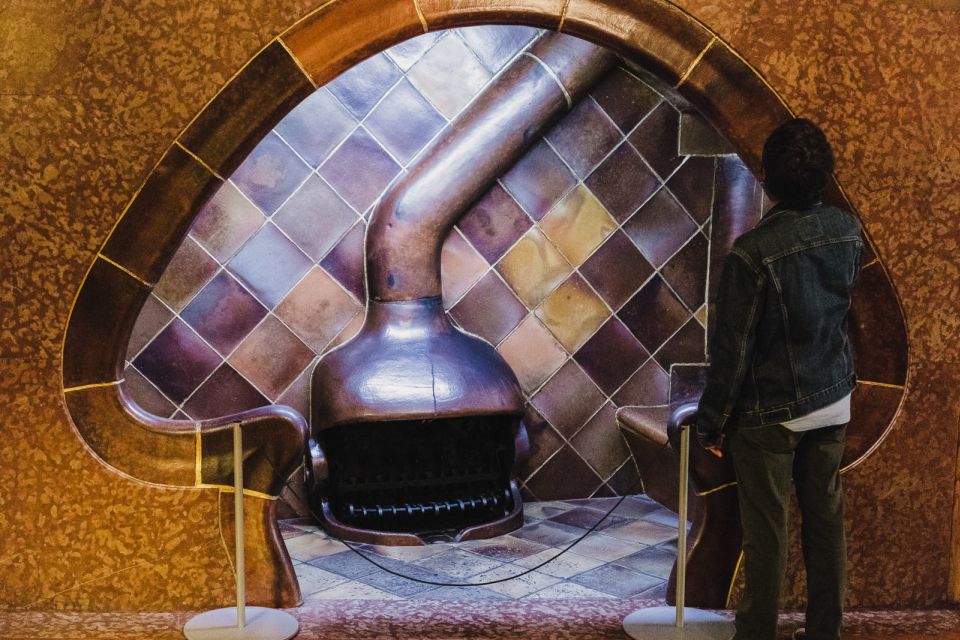
Gaudí in Barcelona, minus the chaos. I love the skip-the-line timing and the chance to go inside Casa Batlló (or the first Gaudí house, Casa Vicens) without spending your day stuck in lines. You’re walking and riding between masterpieces, but the route is planned so you actually get to see things up close.
I like that the guide trains your eye. You’ll learn why Casa Batlló feels alive (including details like the building’s breathing-gills idea) and how Gaudí’s light-and-tile logic shapes what you see in every room. Guides such as Valentina and Anna are singled out for strong English and for using visuals to make the architecture click.
One heads-up: this is a steady walking tour and it’s not suitable for wheelchairs, strollers, or mobility impairments.
In This Review
- Key points worth packing for
- A Gaudí day that’s built around your time (and your energy)
- Casa Batlló in the AM or Casa Vicens in the PM: pick your Gaudí story
- AM tour: quiet Casa Batlló first
- PM tour: Casa Vicens and Gaudí’s origin story
- The Eixample stretch: Casa Amatller and La Pedrera give context
- Park Güell with skip-the-line entry: color, structure, and best viewing habits
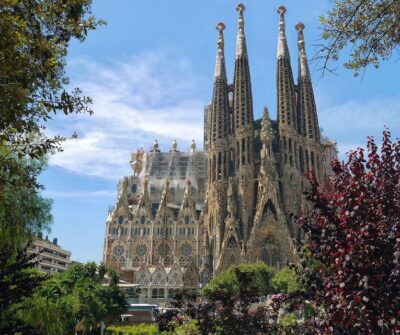
- Sagrada Família after the crowds: stained glass mood and the museum layer
- How the guide experience actually makes the day better
- Transfers and walking: what to expect physically
- Price and value: $158 for four big sites (and the context)
- Practical planning: what to bring and what to watch for
- Who this tour is best for (and who should skip it)
- Should you book this Gaudí tour?
- FAQ
- How long is the tour?
- What are the main stops on this Gaudí experience?
- Do I get skip-the-line access to Park Güell?
- Is Sagrada Família included with museum access?
- Which house do I see on the AM vs PM tour?
- Is the tour in English?
- What should I bring and wear?
- Is the tour suitable for wheelchair users or people with mobility impairments?
- Can I cancel if plans change?
Key points worth packing for
- Skip-the-line Park Güell means you spend time looking, not waiting.
- Two real interior choices: Casa Batlló in the AM, or Casa Vicens in the PM.
- Sagrada Família includes the museum area with Gaudí’s drawings, models, calculations, and a view connected to his tomb.
- Headsets help you hear the guide clearly on busy streets and inside crowded rooms.
- Guides like Valentina, Miguel, and Montse are praised for clear pacing, good organization, and helpful visual aids.
- Dress code at Sagrada Família requires shoulders and knees covered, so bring a scarf just in case.
A Gaudí day that’s built around your time (and your energy)
Barcelona can chew up your schedule fast. Big sites have long lines, and hopping between them on your own often turns into guesswork: what sells out, what’s closed, what times are best, and where you’ll lose your whole afternoon.
This tour is designed to solve that. You get guided entry to multiple Gaudí landmarks in about 5.5 hours, with reserved tickets and separate entrances where it matters. The result is a day that feels efficient without feeling rushed.
I also appreciate the balance of walking and transport. You’re not stuck in a bus the whole time, but you also don’t have to connect five distant monuments by foot. You’ll do enough strolling to soak up the area (especially around Eixample), then you’ll use transfers to get you to the next big stop.
The biggest value for you is simple: you’re paying for time-savings and for context. Lines are where vacation momentum goes to die. Here, the tour focuses you on the “why” behind Gaudí’s shapes instead of just ticking off photos.
You can also read our reviews of more tours and experiences in Barcelona.

Casa Batlló in the AM or Casa Vicens in the PM: pick your Gaudí story
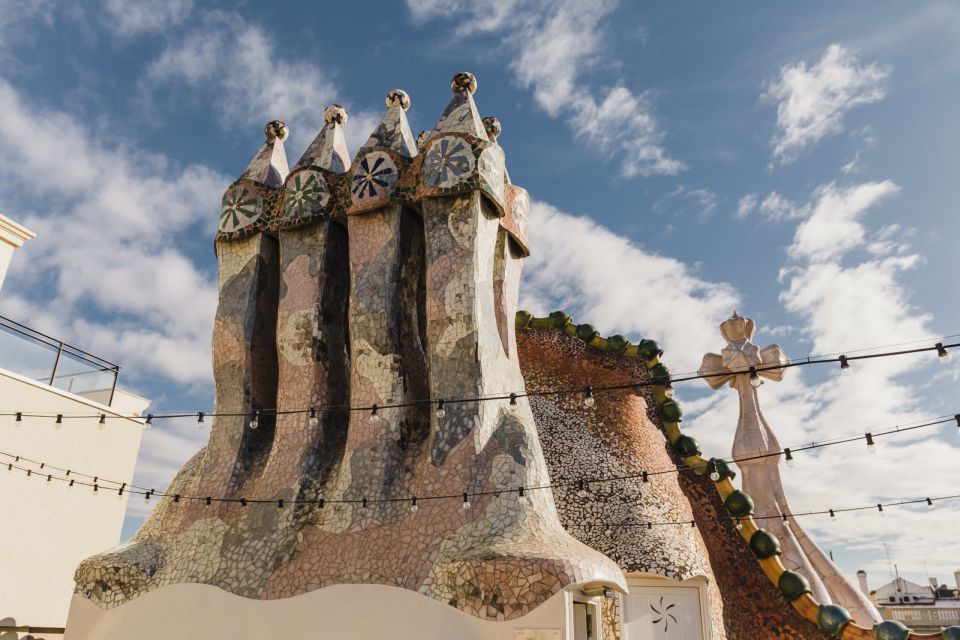
The most important decision is which version you book. Both options follow the same overall arc—Gaudí houses, Park Güell, and Sagrada Família—but the interior house changes.
AM tour: quiet Casa Batlló first
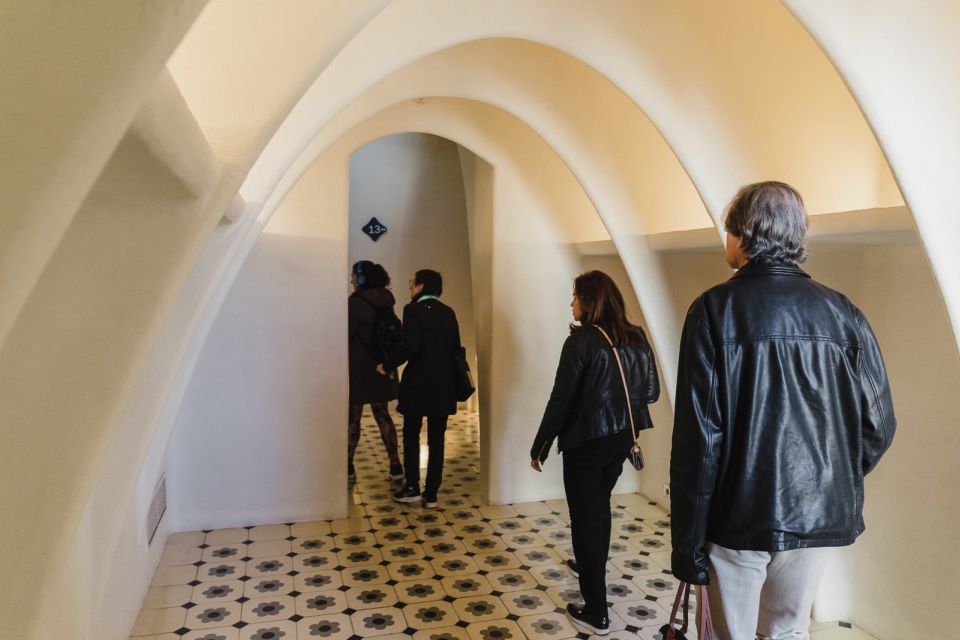
If you choose the morning option, you start at Casa Batlló with a pre-reserved ticket. The point is timing: you go in early enough to explore the rooms ahead of the main crowd surge.
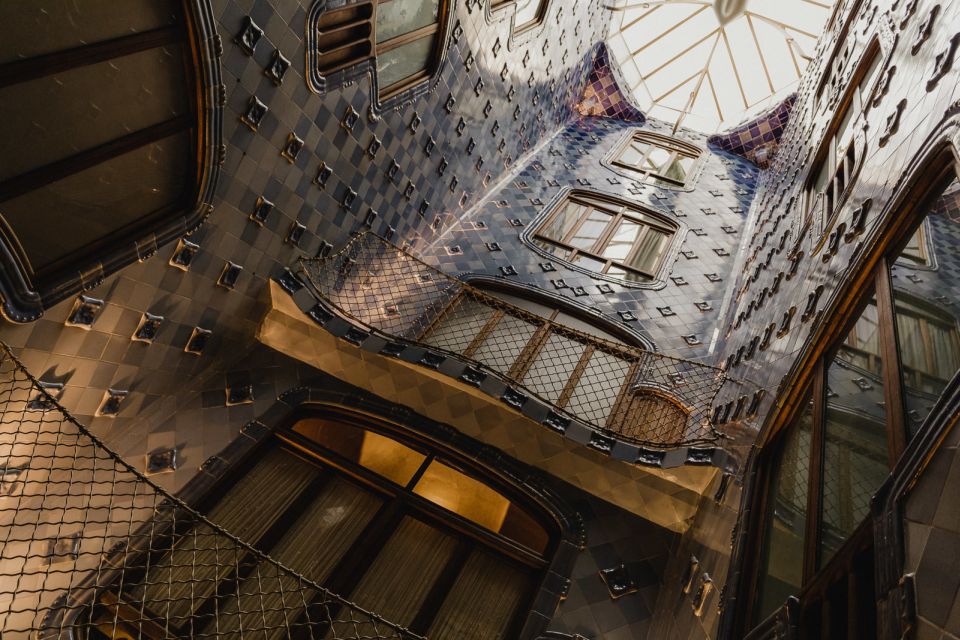
Casa Batlló is the showpiece for a reason. The guide helps you see how Gaudí used light, color, and unusual forms so the building never looks the same way twice. One detail that tends to stand out during the tour is the idea of the building’s “breathing” gills—an example of how Gaudí treated architecture like something living.
Then you continue toward Casa Milà (also called La Pedrera). The tour gives you the story behind the nickname, so when you see the exterior and later hear the design logic, it feels connected instead of random.
PM tour: Casa Vicens and Gaudí’s origin story
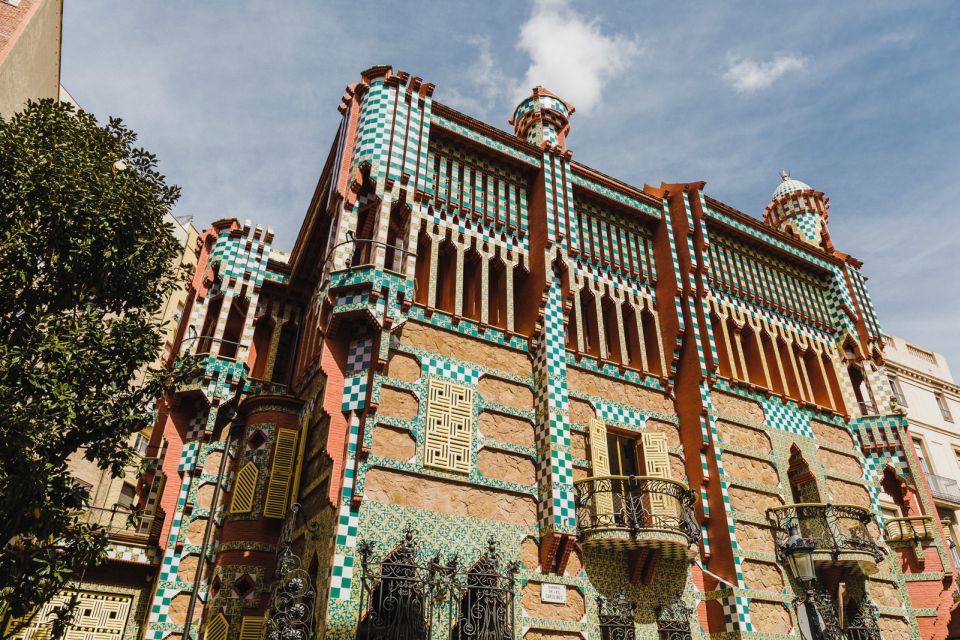
The afternoon option includes a big payoff for people who want the “before” chapter. You ride over to Casa Vicens—the first house Gaudí designed—which shows the groundwork for why he became Gaudí.
Casa Vicens is colorful and full of early experiments. It’s a smart choice if you’ve already seen Casa Batlló on someone else’s photos and you want to understand how his style began to form. You’ll walk through with a guide who explains what makes this earlier work matter, rather than treating it like a quick stop.
After that, the tour heads to Park Güell with skip-the-line entry, and then finishes at Sagrada Família later for the atmosphere.
The Eixample stretch: Casa Amatller and La Pedrera give context
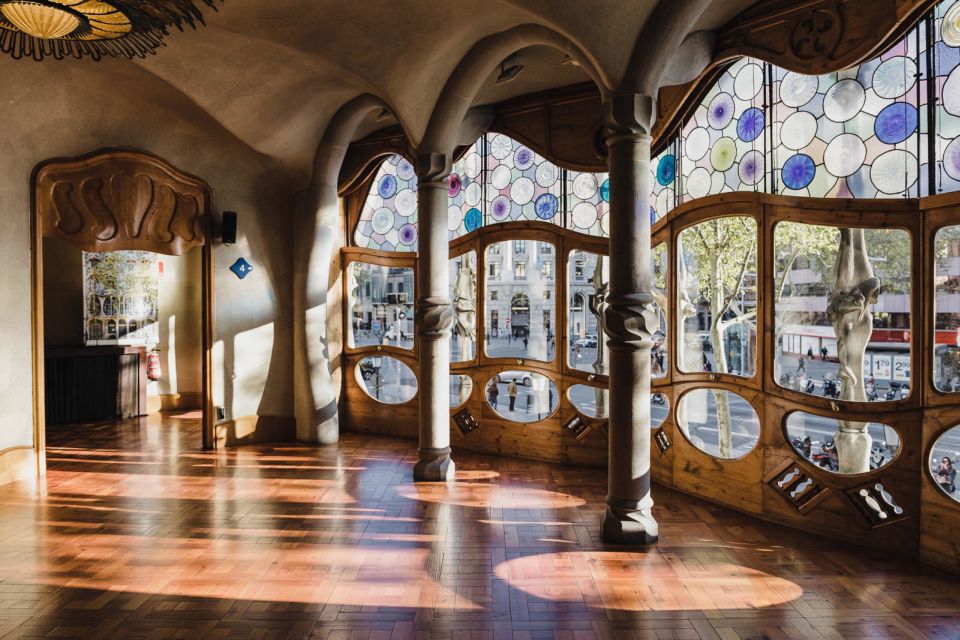
Between the iconic “must-see” buildings, you get a bit of neighborhood rhythm. In the Eixample area, the tour makes a point of seeing how Gaudí’s work sits inside a bigger Barcelona picture—modernista style, ambition, and the city’s love of elaborate facades.
You may pass Casa Amatller as part of the walk segment. It’s not the main event, but it helps your brain switch from Gaudí-only mode into “this is an entire movement” mode.
Then you hit La Pedrera (Casa Milà). Even when you’re not standing inside for a long time, the tour gives you the key ideas: why the exterior looks like carved stone, where the nickname comes from, and how the building’s form fits Gaudí’s fascination with nature and structure. That context matters, because later at Park Güell and Sagrada Família you’ll notice similar thinking patterns.
Also, the group moves at a steady, manageable pace. Many guides are praised for keeping it comfortable—slower when needed, speeding up when a line trick or transfer is coming.


Park Güell with skip-the-line entry: color, structure, and best viewing habits
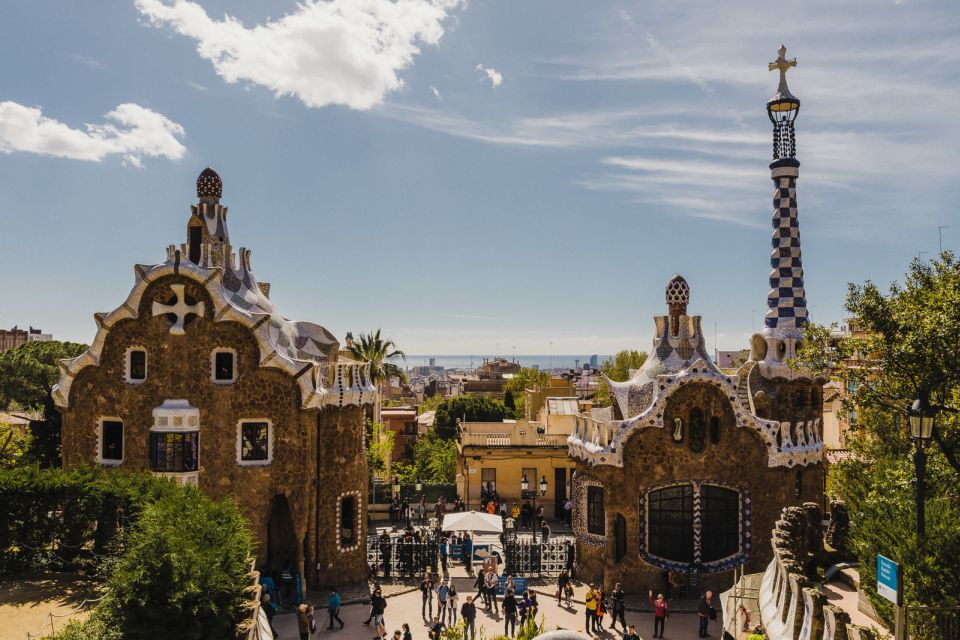
Park Güell is where Gaudí turns geography into theater. You’re looking at organic shapes with serious engineering behind them. And since it became ticketed in recent years, lines can get intense—so skip-the-line access is the difference between enjoying the park and being annoyed at it.
Once inside, you get a guided tour focused on what you’re seeing, not just where to stand for photos. The park is fun because the design plays tricks: it looks whimsical, but it’s also full of thoughtful choices about how forms behave, how surfaces interact with light, and how the landscape shapes architecture.
For you, the best strategy is to pause at the viewpoints and let the guide explain one concept before moving on. Park Güell rewards that. If you rush, you’ll end up with great photos but little understanding. If you slow down for the explanation, the whole place starts to make sense.
One practical note: the tour time in Park Güell is about an hour. That’s generally enough for the big highlights, but if you’re the type who could spend half a day wandering, you may wish you had more time to roam independently.
Sagrada Família after the crowds: stained glass mood and the museum layer
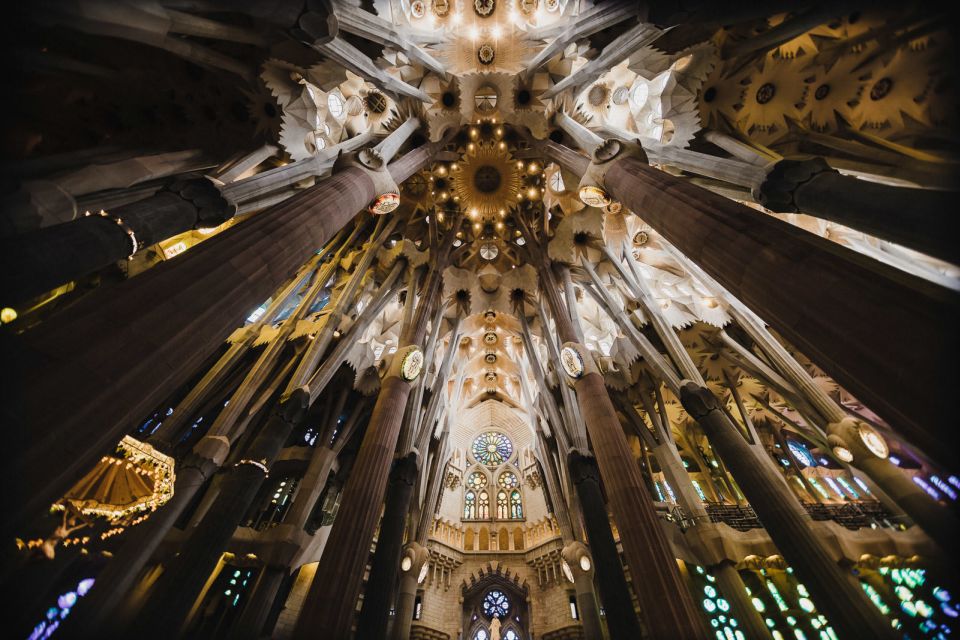
Sagrada Família is the closer. That matters, because the lighting shifts during the day and the mood changes as the crowds ebb.
With this tour, you’ll enter after daytime crowds have left, so you’re more likely to enjoy the stained glass in a calmer setting. That evening light effect is why the church can feel almost theatrical—suddenly color isn’t decoration anymore, it’s part of the architecture’s message.
You’ll spend about an hour exploring the church itself with an expert guide. Then, unlike many simple exterior tours, you go down into the museum area to see Gaudí’s drawings, models, and calculations. This is a big part of the value: you see the thinking behind the look.
You also get a clear view associated with Gaudí’s tomb. That detail lands emotionally because it brings the story full circle. You’re not just admiring shapes; you’re meeting the person through the work and the process.
And yes, it’s a church—so plan for the dress code. You’ll need shoulders and knees covered. A small scarf is an easy fix. Keep one handy so you’re not stuck trying to improvise at the entrance.
How the guide experience actually makes the day better
This is one of those tours where the guide can make or break the whole thing. The standout theme in guide feedback is practical teaching: clear explanations, good organization, and a pace that doesn’t flatten your attention.
You’ll likely notice a pattern across guides like Valentina and Miguel: they keep the group moving but not in a way that feels frantic. They also handle questions well. Several guides are praised for being enthusiastic and for using extra visual materials—photos, digital images, and structured explanations—to help you spot details you’d otherwise miss.
There’s also comfort handling. On rainy days, guides are noted for adjusting for safety and comfort. Others are praised for break timing and for pointing out options like seating or elevators where available during the buildings.
For you, that means the guide isn’t just narrating. They’re managing the flow so you don’t spend your time troubleshooting logistics. And since headsets are provided, it’s easier to hear explanations even when the surrounding rooms feel loud.
Group size can matter too. Many experiences rate it as manageable, which usually translates to fewer long bottlenecks at doors and better chances for the guide to respond when you ask something.
Transfers and walking: what to expect physically
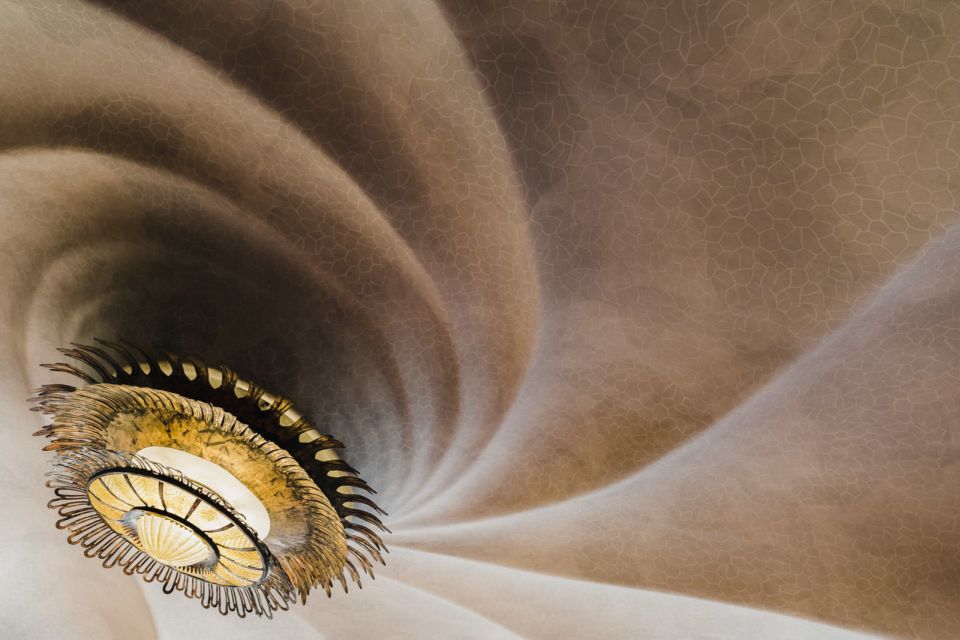
This is a walking tour, and the “walking” is not the gentle kind. You’ll be moving between stops in the city, and you’ll also spend time standing inside architectural spaces.
In the tour flow, you’ll use a short private minibus transfer for one key connection (and the afternoon option uses a different transport approach to reach Casa Vicens). Either way, transfers keep you from turning this into a long slog across multiple neighborhoods.
Still, consider the physical reality. It’s not designed for wheelchairs or strollers, and it isn’t suitable if you have mobility impairments or heart problems. If that applies to you, choose a different format.
For the rest of us: comfortable shoes are non-negotiable. Bring water and snacks too, because you’ll want energy during the park and church segments. The tour includes break time, but it’s smart to come prepared rather than hunt for food mid-walk.
Price and value: $158 for four big sites (and the context)
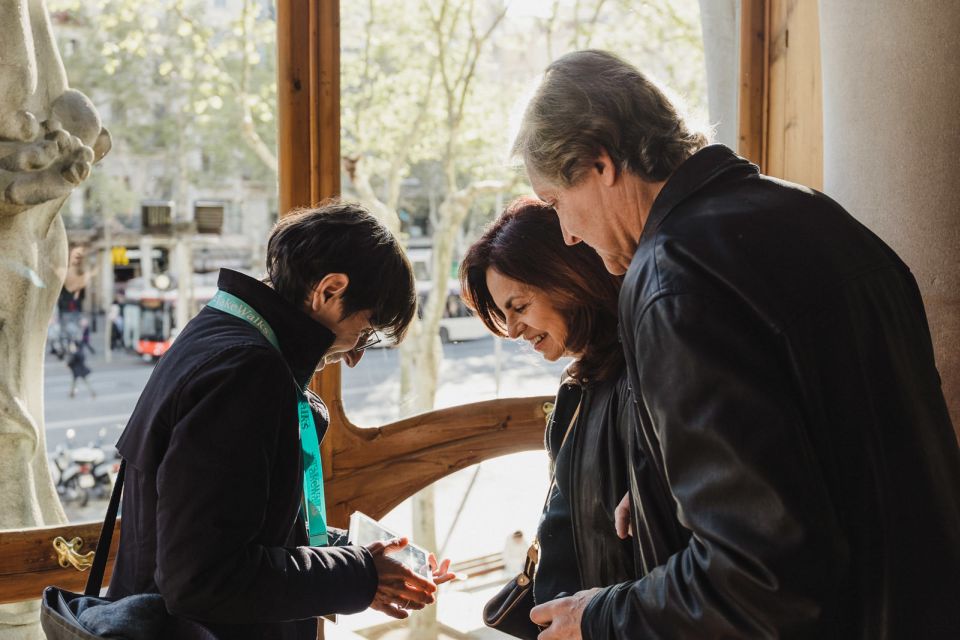
At $158 per person for about 5.5 hours, this tour isn’t cheap. But it’s also not just paying for entry. You’re paying for reserved access across multiple sites, guided interpretation, and transport support between major landmarks.
Here’s where the value shows up for you:
- You avoid the highest-friction moment: long lines. Skip-the-line at Park Güell and reserved entry for the house stops reduce time loss.
- You get real interior access at one of the two Gaudí houses (Casa Batlló in the AM, Casa Vicens in the PM). That’s the difference between seeing faces of buildings and understanding what Gaudí built inside.
- You get museum-level content at Sagrada Família: drawings, models, calculations, plus a tomb view connection. That adds depth you can’t get from a quick viewing.
- Headsets keep the experience focused on what the guide is pointing out, not on shouting over foot traffic.
If your Barcelona days are limited, this pricing can feel like a trade you’d make. You’re buying a guided route that compresses four “big” attractions into one day with reduced stress.
If your schedule is wide open and you love slow self-guided wandering, you might decide you don’t need this level of structure. But for most people—especially first-timers—the savings in time and confusion can be worth more than the cost.
Practical planning: what to bring and what to watch for
A few details will save you hassle:
- Wear comfortable shoes. You’ll be on foot for much of the day.
- Bring water and a snack. Breaks help, but hydration matters in Barcelona.
- Bring ID (passport or ID card). A copy is accepted.
- For Sagrada Família, cover shoulders and knees. If you’re not dressed for that, bring a scarf or extra covering to put on right before entry.
- The Casa Batlló rooftop terrace may close during heavy wind or rain. If that’s important to you, don’t count on it as guaranteed weather-proof time.
Also note: infants are not allowed, and baby strollers are not allowed. If you’re traveling with kids, children under 16 must be accompanied by an adult.
Who this tour is best for (and who should skip it)
This is a strong fit for you if:
- You want to see Gaudí’s key work in one day without line suffering.
- You like guided storytelling that points out design details, not just photo stops.
- You’re short on time and want a plan that reduces decision fatigue.
- You’d enjoy finishing at Sagrada Família when it feels calmer and more atmospheric.
It’s not a good fit if:
- You need wheelchair access or stroller access.
- You can’t do steady walking.
- You have heart problems and want to avoid strenuous activity.
- You travel with an infant (infants aren’t allowed).
Should you book this Gaudí tour?
I’d book it if you want a well-managed Gaudí hit: Casa Batlló or Casa Vicens, Park Güell with skip-the-line entry, and Sagrada Família with the museum layer. The guide-driven approach is where you’ll feel the difference—especially if you’ve ever walked through a famous building and wondered what you were supposed to notice.
Choose the AM option if you like starting early and want a quieter Casa Batlló interior experience. Choose the PM option if you want Gaudí’s earliest house story first.
Just go in with realistic expectations about walking and about the Sagrada Família dress code. If you match the tour to your body and clothing, it’s an efficient, high-impact day that actually teaches you how Gaudí thought—not just what his buildings look like.
FAQ
How long is the tour?
The tour lasts about 5.5 hours.
What are the main stops on this Gaudí experience?
You’ll visit Gaudí’s house interior (Casa Batlló on the AM tour or Casa Vicens on the PM tour), Park Güell, and La Sagrada Família.
Do I get skip-the-line access to Park Güell?
Yes. Park Güell is included with skip-the-line access.
Is Sagrada Família included with museum access?
Yes. You enter Sagrada Família and also go down into the museum area to see Gaudí’s drawings, models, and calculations, plus a clear view related to his tomb.
Which house do I see on the AM vs PM tour?
AM includes a guided tour and reserved entry to Casa Batlló. PM includes reserved entry and a guided tour of Casa Vicens, the first Gaudí house.
Is the tour in English?
Yes. The tour is in English.
What should I bring and wear?
Bring comfortable shoes, water, snacks, and a passport or ID card (a copy is accepted). For Sagrada Família, you must cover your shoulders and knees.
Is the tour suitable for wheelchair users or people with mobility impairments?
No. The tour is not suitable for wheelchair users or people with mobility impairments, and it does not accommodate strollers.
Can I cancel if plans change?
Yes. There is free cancellation up to 24 hours in advance for a full refund, and you can reserve now and pay later.