REVIEW · BARCELONA
All about old Barcelona (tasting included)
Book on Viator →Operated by ToursforFoodies · Bookable on Viator
This route through old Barcelona has a lot of stopping power. You’ll move from the Born area to the Gothic core on a tight 2.5-hour loop, with story stops tied to architecture, plazas, and what happened there. I like that it keeps the pace practical while still making you notice details you’d normally walk right past.
What I like most is the mix of free-entry and ticketed moments, so you can plan your spending without getting surprised. I also like the built-in “pay attention” theme at each stop, from architect-focused design hints to hidden details in major churches.
One thing to consider: you’re outdoors for long stretches, and there’s a note that it needs good weather. If that’s iffy during your dates, you’ll want a Plan B mindset.
In This Review
- Key points to know before you go
- Why this Old Barcelona route feels different than a basic walk
- Starting at El Born Center: where the story clicks into place
- Mercat del Born: architect clues in a real public building
- Basilica de Santa Maria del Mar: peculiar aesthetics and hidden details
- Placa del Rei: the story from a different angle
- MUHBA Temple d’August: built-in context without the headache
- Plaça de Sant Jaume: neo-Gothic style and sightline awareness
- Placa Sant Felip Neri: tragedy tied to a place
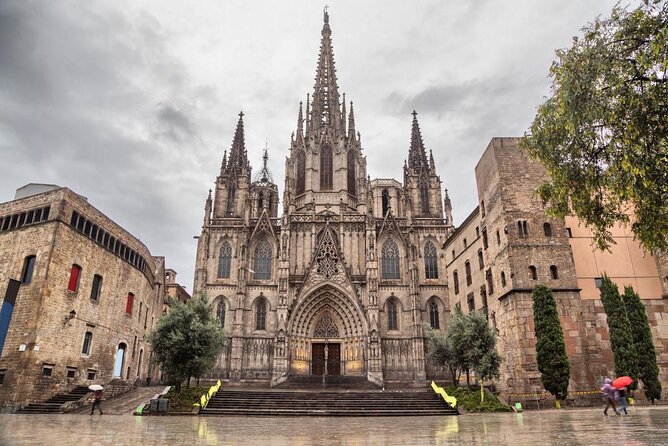
- Barcelona Cathedral: hidden qualities instead of the usual script
- Plaça Reial to Las Ramblas: the famous street plus a sweet finish
- Price and value: $28.90 for a structured, ticket-mixed loop
- Timing, group size, and how to avoid a bad start
- Weather matters more than you think
- Who this tour suits best
- Should you book this Old Barcelona tasting tour?
- FAQ
- What is the duration of the tour?
- How much does it cost per person?
- What language is the tour offered in?
- Do I get a mobile ticket?
- Are admission tickets included for every stop?
- Where do I meet the tour?
- Where is the tour ending point?
- Is this tour limited in group size?
- What happens if the weather is poor?
Key points to know before you go
- A short, focused loop (about 2.5 hours) that hits major old-Barcelona zones without turning into an all-day marathon
- Free-entry stops sprinkled throughout, including Mercat del Born, MUHBA Temple d’August, Plaça de Sant Jaume, and Plaça Reial
- A sweet tasting finish at Pastisseria Escribà after your La Rambla segment
- Mix of included and not-included sites, so you can budget for any admission you choose to add
- Small group limit (max 25), which helps you hear the guide and keep the flow
Why this Old Barcelona route feels different than a basic walk
I’ve done plenty of “see the sights” tours where the guide reads names and dates and you end up staring at a map. This one tries to get you looking at space, not just landmarks. You’ll get a story at each stop, tied to how buildings and plazas were meant to be used, and what you can still spot today.
You also get a clean structure. There are nine main stops, most of them only a few minutes each, so it stays lively and you don’t lose the thread. And because it ends at La Rambla with a sweet, the tour has a built-in payoff instead of stopping right when your feet start complaining.
If you like walking tours that help you see—not just collect stamps—this format is a good match.
You can also read our reviews of more food & drink experiences in Barcelona


Starting at El Born Center: where the story clicks into place
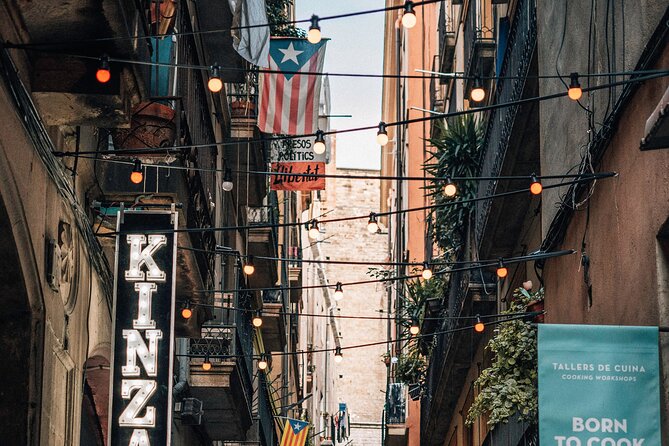
You meet at El Born Center for Culture and Memory (Plaça Comercial, 12) in Ciutat Vella. This is a smart start point because it sets you up in the Born area, where Barcelona’s old layers are close together and the streets feel compact enough to make the walking feel quick.
From there, the tour moves stop-to-stop with very short “arrival windows.” Translation: you should be on time. Even a small delay can throw off the pacing when you’re jumping from place to place.
Also, the tour is offered in English, and the ticket is mobile, which makes day-of logistics simpler. If you prefer not to fuss with paperwork while you’re in transit, that’s a real plus.
Mercat del Born: architect clues in a real public building
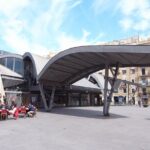
First stop is Mercat del Born. The tour framing here is all about the architect and the built space—not just the fact that it’s a market.
You’ll spend only about five minutes, but that short stop is intentional. Instead of trying to cover everything, you’ll get prompts that help you read what’s in front of you: how the space is shaped, what stands out, and what it suggests about how the building was meant to function.
Admission for this stop is listed as free, so you can focus on the experience rather than budgeting. This is one of the easiest wins on the route.
Practical tip: keep your phone away for the first minute or two. I’d rather you use your eyes first, then take photos once you know what you’re looking for.
Basilica de Santa Maria del Mar: peculiar aesthetics and hidden details
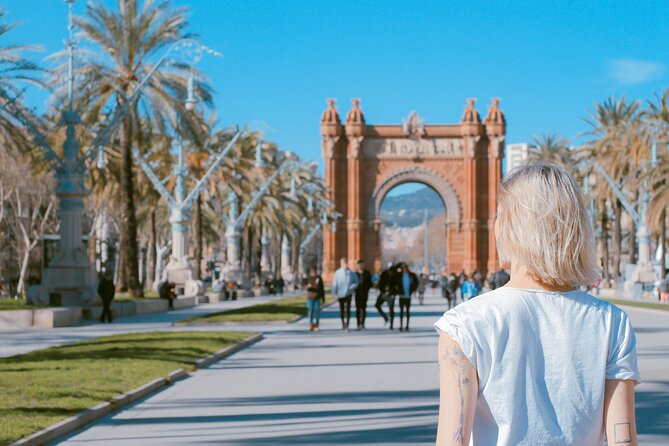
Next is Basilica de Santa Maria del Mar. The emphasis here is on peculiar aesthetics and hidden details.
The tour gives you permission to slow down just a touch. Even if you’ve seen the outside of the basilica in photos before, this kind of guided stop helps you notice smaller features that your brain tends to ignore when you’re just sightseeing.
Admission for this stop is not included, so if you want to go in, you should expect to pay separately or decide based on your time and budget. That choice is why this stop works well inside the overall route—there are other stops along the way that are free if you’d rather keep costs down.
Drawback to keep in mind: with a short stop window, you may not get a long, unhurried look inside. If you’re a slow museum-style visitor, you might want to return on another day when you can stay as long as you like.
Placa del Rei: the story from a different angle
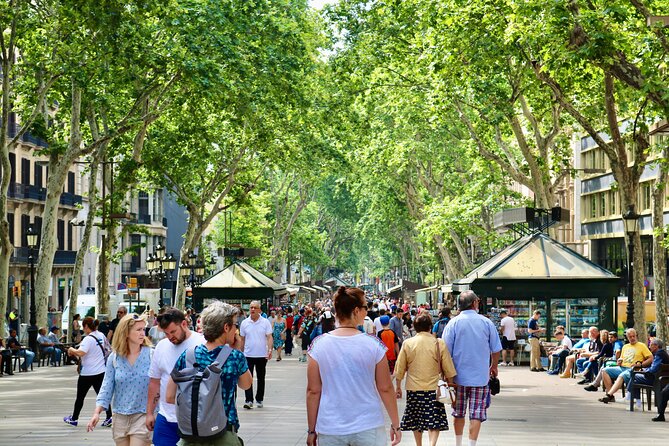
Placa del Rei is next, and the tour pitch is clear: learn your story from an alternative point of view. This is one of those places where the square matters as much as the buildings around it.
Even without leaning on heavy facts you can’t verify on-site, you’ll get a framing that helps you interpret what you’re seeing. The key here is the “why” behind the space—how plazas like this were used, and how perspective changes what you think a location is about.
Admission is listed as not included, and the time here is brief (about three minutes). Treat it as a “read the square” stop, not a place to linger.


MUHBA Temple d’August: built-in context without the headache
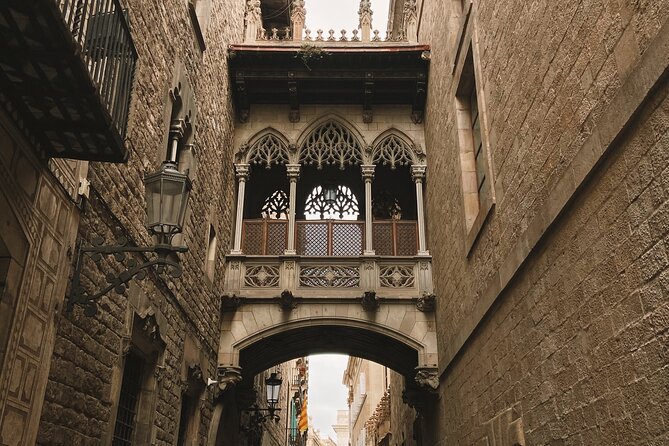
Stop four is MUHBA Temple d’August, and the tour says it helps you add knowledge of the environment. The important word there is environment. This site isn’t just a one-off attraction; it’s part of the area’s layers.
This stop is listed as free, which is a good deal given how often you’ll pay for entry to historical spots in Barcelona. You’ll likely get guidance on what to pay attention to, so you leave with more than a quick photo and a shrug.
Time here is about four minutes. That’s enough to get your bearings, especially if you’re pairing this tour with later self-exploration.
Plaça de Sant Jaume: neo-Gothic style and sightline awareness
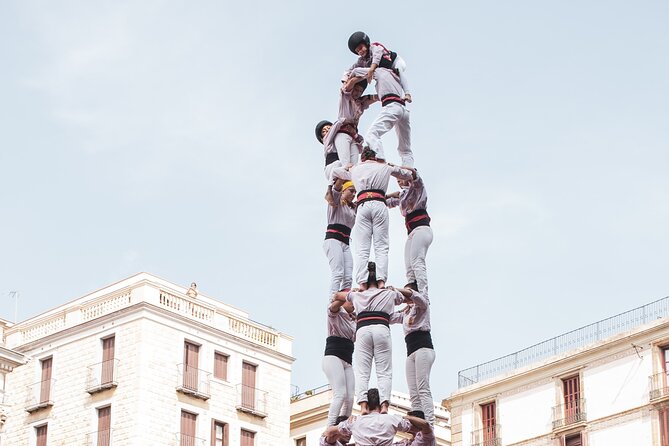
Stop five is Plaça de Sant Jaume, with a focus on neo-Gothic aesthetics. You’ll spend about three minutes here, so again, this isn’t an extended architecture lecture. It’s more like a quick way to train your eye.
When a tour gives you an aesthetic label like neo-Gothic, it’s usually meant to help you notice patterns: shapes, details, and how the design language differs from older Romanesque or Gothic styles you might have seen elsewhere in the city.
Admission is listed as free, so this is another cost-friendly moment in the route.
Tip I’d follow: stand where the tour guide can see the features being referenced, then adjust your position slightly if needed. Small shifts can change what you can actually read on a façade.
Placa Sant Felip Neri: tragedy tied to a place
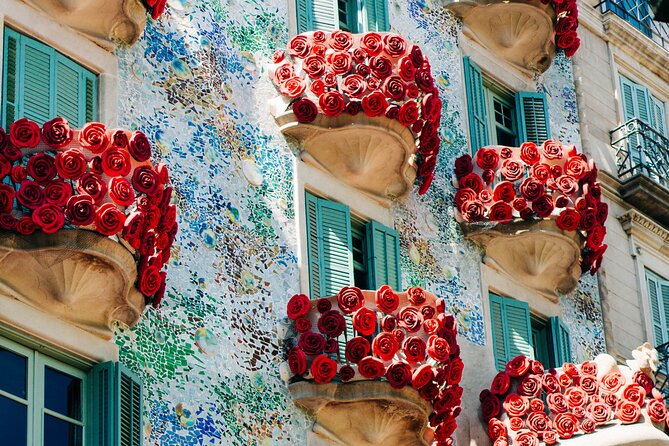
Stop six is Plaça Sant Felip Neri, and the tour says you’ll be moved by the tragedy of the last century. This is the emotional pivot of the walk.
I like when a walking tour includes at least one stop that turns the volume down and makes you consider what happened here. Plazas often feel like just open space, but they’re where real events leave an imprint, even years later.
Admission for this stop is listed as included. That means you shouldn’t have to decide on the fly whether to pay. It’s a good moment to let the story do its job without getting bogged down in ticket math.
Time is about five minutes. Keep expectations realistic: you’ll get the key framing, not a full timeline.
Barcelona Cathedral: hidden qualities instead of the usual script
Stop seven is Barcelona Cathedral. The tour promise is hidden qualities, and admission is listed as not included.
This is an interesting placement in the route. You’re not starting at the cathedral—you’re reaching it after several plazas and side spaces. That sequencing matters because you’re primed to look for subtleties by then. A guide-style lens helps you see details that might not jump out when you walk in fresh from the street.
Because entry isn’t included, decide based on what you care about most. If you love cathedral interiors, this is a logical place to add admission. If you’d rather keep it lean, you can still use the exterior and context to enjoy the stop.
Plaça Reial to Las Ramblas: the famous street plus a sweet finish
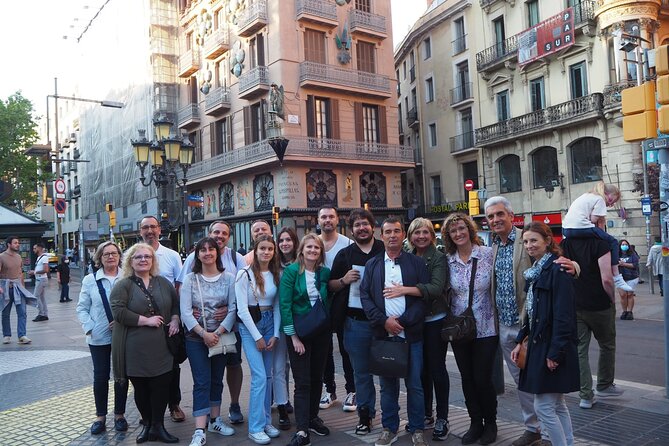
Stop eight is Plaça Reial, where the tour says you’ll learn the most famous street in Europe. Then you shift to Las Ramblas for explanation and the final tasting of a sweet.
This is where the tour becomes fun again—still guided, but less heavy. Plaça Reial is free in the information provided, so you can enjoy the square experience without ticket stress.
Then you end at Pastisseria Escribà on La Rambla (La Rambla, 83). The tour notes that you’ll have a final tasting of a sweet, so you’re not just ending with a location—you’re ending with a food moment.
If you want a practical rule: treat the sweet tasting as your finish line, not as a random dessert add-on. It’s part of why the tour feels complete.
Price and value: $28.90 for a structured, ticket-mixed loop
At $28.90 per person for about 2 hours 30 minutes, you’re paying for a guided route plus the design of the stops. What makes the price feel fair is the mix of free and included admission points.
Here’s what you can expect from the admissions mix:
- Some stops are free (like Mercat del Born, MUHBA Temple d’August, Plaça de Sant Jaume, Plaça Reial)
- Some stops require admission that’s not included (like Basilica de Santa Maria del Mar and Barcelona Cathedral)
- One spot—Plaça Sant Felip Neri—is listed as admission included
- Others fall into the not-included bucket as well
So the value isn’t just “you paid for a guide.” It’s that the tour builds a route where a portion of the main costs are handled by the pricing structure. That helps you avoid a situation where you pay for a tour and still get blindsided by multiple extra entries.
A small caution: because some sites are not included, your final cost depends on whether you choose to add entry for those places. If you hate surprise spending, you can plan ahead by deciding what you’re willing to pay for before you start.
Timing, group size, and how to avoid a bad start
The tour runs around 2 hours 30 minutes, and it’s often booked about 11 days in advance. That’s a normal sign of popularity. If you’re traveling in a busier season or you want a specific date, booking earlier tends to make your life easier.
Group size is capped at 25, which is helpful. Big groups make short stops feel rushed; smaller groups tend to keep the guide’s voice clear and the movement smoother.
One real-world note from a separate incident I’ve seen: there was a case where someone arrived at the meeting point and waited for about 10 minutes after the meeting time, and the tour was not able to proceed. They contacted the provider, and a refund was offered after an apologetic explanation about miscommunication. I can’t predict that happening to you, but it’s a reminder to do two things:
- be a few minutes early
- if your guide is late, contact the provider promptly rather than assuming it’ll work out
Weather matters more than you think
This experience notes a good weather requirement. Since several stops are outside and the schedule is tight, rain, strong wind, or extreme heat can make the route uncomfortable and harder to run on time.
The good part: if it’s canceled due to poor weather, you’ll be offered a different date or a full refund. That gives you flexibility without the “too bad” feeling.
If you’re traveling in shoulder season or you’re planning around storms, pick a date with a bit of cushion in your itinerary. That way, a reschedule won’t break your day.
Who this tour suits best
This is a strong fit if you:
- like walking tours with short, structured stops
- enjoy learning through architecture and place-based stories
- want a sweet finish without having to plan dessert separately
- prefer English-language guidance
It may not be ideal if you’re the type who wants long time inside big monuments. Several key stops are short, and some admission isn’t included, so you might still want to revisit spots later if you want a deeper, self-paced look.
Should you book this Old Barcelona tasting tour?
I’d book it if you want a focused, guide-led walk through old Barcelona that teaches you how to look at spaces—then rewards you with a sweet at the end. The value is helped by the mix of free and included admission stops, plus the small group size.
I’d think twice if you’re traveling on a day when weather is unreliable, or if you hate the idea that some major sites along the route (like Santa Maria del Mar and Barcelona Cathedral) may cost extra if you want to go in.
If you do book, show up early at El Born Center, decide ahead of time where you’re willing to pay for entry, and use the short stops to sharpen your attention. You’ll get a lot out of the time you spend.
FAQ
What is the duration of the tour?
The tour lasts about 2 hours 30 minutes.
How much does it cost per person?
It costs $28.90 per person.
What language is the tour offered in?
The tour is offered in English.
Do I get a mobile ticket?
Yes, the tour includes a mobile ticket.
Are admission tickets included for every stop?
No. Some stops are listed as free, some as included, and others as not included. The specific status varies by stop.
Where do I meet the tour?
You start at El Born Center for Culture and Memory, Plaça Comercial, 12, Ciutat Vella, Barcelona.
Where is the tour ending point?
The tour ends at Pastisseria Escribà, La Rambla, 83, Ciutat Vella, Barcelona.
Is this tour limited in group size?
Yes. The maximum group size is 25 travelers.
What happens if the weather is poor?
The experience requires good weather. If it’s canceled due to poor weather, you’ll be offered a different date or a full refund.