REVIEW · BARCELONA
Make Authentic Espadrilles in Barcelona
Book on Viator →Operated by Handmade The Brand® · Bookable on Viator
Shoes with a story start here. You get take-home espadrilles and color-and-size choice with guided lacing from patient teachers like Pilu and Jordi. One possible drawback: some people feel the class is more decorating a ready shoe base than making every component from scratch.
I like that this is an easy, all-levels workshop with a clear rhythm: quick history, then you sit down at the tables and create. You start at 10:00 am at Carrer d’Avinyó, 8 in Ciutat Vella, and the experience runs about two hours, ending right back where you began.
In This Review
- Key reasons to book this espadrille workshop
- Finding Carrer d’Avinyó: the easiest way to start your shoe project
- What you really get: tools, materials, and a pair of shoes you made
- The full flow: from espadrille origins to your final lacing
- Stop 1: a short welcome with drinks and the origins story
- Stop 2: pick your traditional materials, colors, sizes, and styles
- Stop 3: the hands-on workshop table time (about an hour)
- Stop 4: cava, dancing, photos, and your wearable memory
- How much “history” you’ll get (and what to ask for)
- Cava, snacks, and how the party feel actually works
- Price and value: why $120-ish can make sense for a shoe souvenir
- Who should (and shouldn’t) book this workshop
- Tips to get the best result from your espadrilles class
- Should you book this espadrille workshop in Barcelona?
- FAQ
- How long is the espadrille workshop?
- What’s included in the price?
- Is the workshop offered in English?
- Where do I meet, and when does it start?
- Can I participate if I’m a beginner?
- Can I cancel for free?
Key reasons to book this espadrille workshop
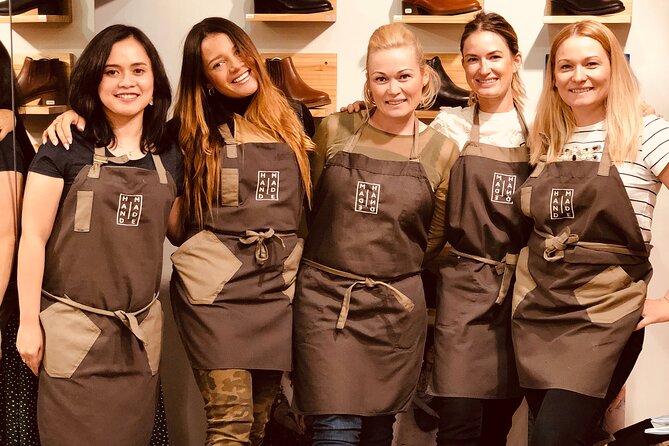
- You leave with a custom pair you designed yourself, not just a souvenir you bought.
- Pick your look early by choosing colors, sizes, and styles before you start building.
- Learn lacing hands-on so your shoes actually come out wearable, not just pretty.
- Cava and a fun finish with photos and dancing at the end of the session.
- Small-group feel with a maximum of 50 people, plus the workshop is open to all experience levels.
- Upgrades exist for a private tour and for premium shoe bases like wedges, heels, or platforms.
Finding Carrer d’Avinyó: the easiest way to start your shoe project
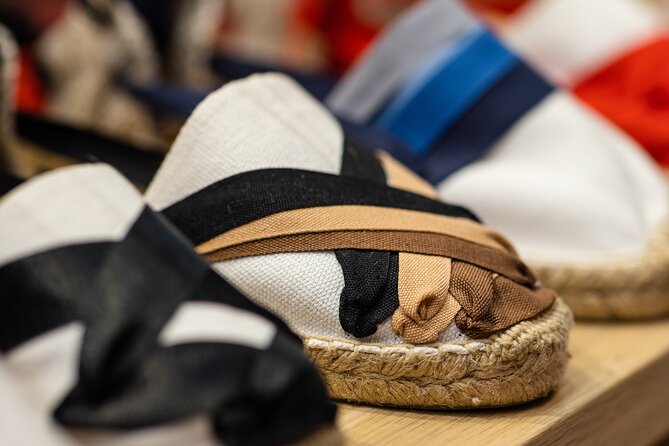
This class starts in Ciutat Vella, at Carrer d’Avinyó, 8 (near public transportation). The meeting point matters here because you’re not just passing by for a quick stop. You’ll want to be on time, step inside, get settled, and start with the first short history moment before you’re ready to choose materials and colors.
Start time is 10:00 am, and the workshop is about two hours. That timing is helpful if you want something practical early in your day, then you can still roam the Gothic Quarter afterward without feeling rushed.
One small practical note: the day runs in a set flow. So if you’re the type who likes to linger and browse, plan to do that before or after your 10:00 am start. Inside the workshop, the pace is set for everyone at once.
You can also read our reviews of more tours and experiences in Barcelona.



What you really get: tools, materials, and a pair of shoes you made
The workshop includes the biggest thing you’ll care about: you leave with your own pair of custom-made espadrilles. It also includes cava and snacks during the session, which turns it from a craft class into more of a Barcelona experience—something you can actually remember when your shoes start showing up in photos back home.
What makes the class feel beginner-friendly is that materials and tools are provided. You’re not trying to track down supplies, guess at sizes, or figure out equipment on your own. They guide you through the process, and you can participate even if you’ve never stitched anything before.
You’ll also get to make choices that affect the final result: color, size, and style come up early, before you sit at the workshop tables. That’s a big deal for value. You’re not just following a script and hoping it looks good. You’re shaping the look before your hands get going.
The full flow: from espadrille origins to your final lacing
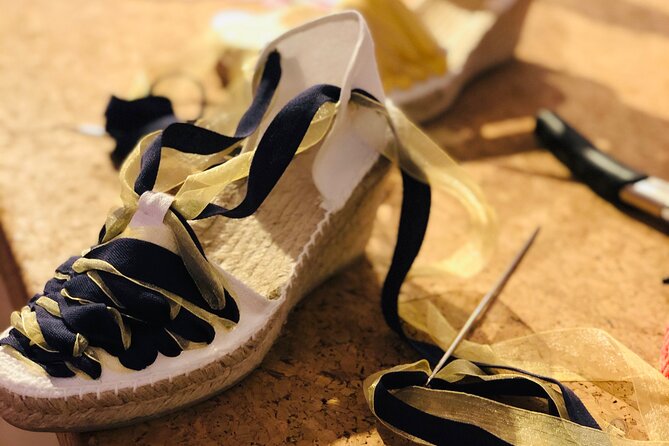
The schedule is tight and easy to follow, with clear stages. Here’s how the day typically unfolds and why each part is worth your attention.
Stop 1: a short welcome with drinks and the origins story
You meet at the entrance hall, where the group starts with drinks. This is where you’ll learn about the humble origins of espadrilles and how a once-simple item became a fashion luxury in the modern world.
Why I like this format: it gives you context before you touch the materials. Instead of making something totally disconnected from culture, you’re building with a story in mind. It takes about 15 minutes, so it doesn’t eat your whole morning.
Stop 2: pick your traditional materials, colors, sizes, and styles
Next comes the selection stage. You’ll learn about different traditional materials, and then you choose your colors, sizes, and styles.
This step is where you get control. And in a craft workshop, control is comfort. When you know you’re building the version you actually want to wear, you stay engaged during the hands-on time.
A consideration: if you’re expecting to invent every detail from scratch, you might find the customization options more structured than you imagined. One review described the experience as more decorating a base than full make-from-zero construction, and that can matter depending on what you’re hoping to do.


Stop 3: the hands-on workshop table time (about an hour)
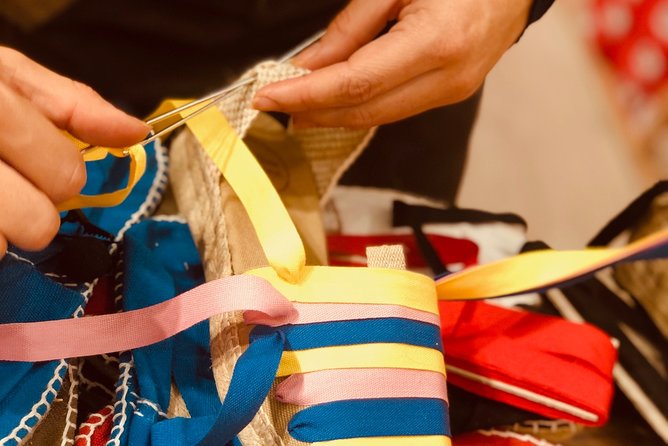
Once you’re set on your choices, you sit at the workshop tables and make your espadrilles. This is the main work block, about one hour, and you’ll also learn different ways to lace them up.
This is the stage that turns a souvenir into something personal. You’ll be doing actual construction and finishing steps, not just arranging decorations on top. And the lacing instruction helps a lot, because the final look depends on how the shoe is tied and tightened.
If you bring patience, you’ll do great here. The whole vibe is supportive, and multiple people highlighted how teachers were patient and encouraging.
Stop 4: cava, dancing, photos, and your wearable memory
To finish, the workshop includes cava and snacks again in a more celebratory way. You’ll take pictures with your new shoes, there’s dancing, and you’ll leave with a cool story to tell—one that’s harder to pick up from a quick shop visit.
This final stretch is also why the class works as a “Barcelona memory” activity. You’re not just buying something; you’re closing the loop by enjoying the moment when you can finally wear what you made.
How much “history” you’ll get (and what to ask for)
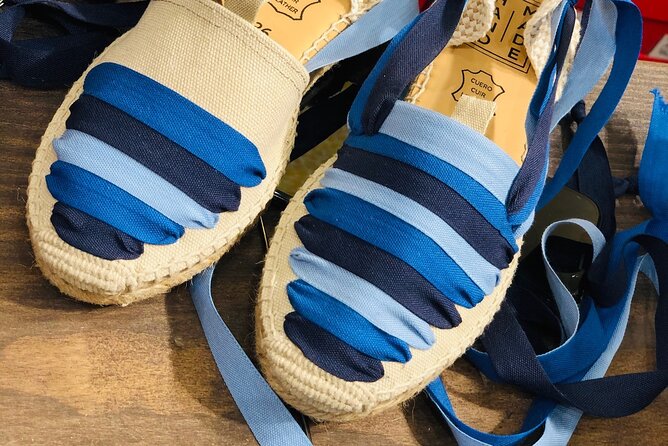
You’ll get a history and culture explanation at the start, with the origins of espadrilles and their move from humble roots into fashion. That’s the core.
Some guests also requested more detail about regional differences in decoration and traditions. So if you’re the type who likes specifics—names of styles, why certain decorative choices map to certain places—come ready to ask questions during the selection and workshop steps. The staff seems used to guiding people through both craft and story, including younger participants.
Either way, the class is clearly set up to connect culture to making, not to sit you through a lecture.
Cava, snacks, and how the party feel actually works
Cava and snacks are included. During the session, you’ll have food and drinks as part of the experience, and the finish includes cava plus the fun photo-and-dance moment.
If you’re thinking about the drink side, note there are upgrades listed. The information you’re given includes:
- A private tour upgrade that includes unlimited cava and snacks
- An extra option listed at 30€/pax that includes free-flow cava and extra food
- Premium base upgrades for wedge, heel, or platform styles (cost extra)
So the experience has a “standard” version and an “extra indulgent” version. If you’re on a tight schedule, stick to the included option. If you’re celebrating or traveling as a group, the upgrades can make the time feel more like a special evening, even though it’s still only about two hours.
One balanced thought: the class is both craft-focused and social. You’ll still build your shoes; you won’t just watch and drink.
Price and value: why $120-ish can make sense for a shoe souvenir
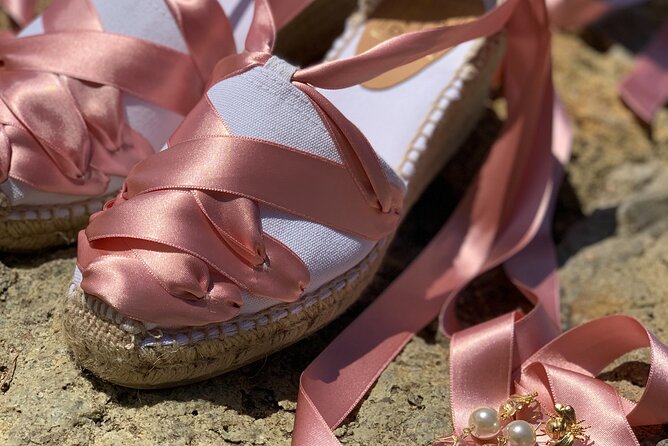
At about $120.97 per person, you’re paying for more than a craft ticket. Your money covers:
- Instruction and hands-on guidance
- Materials and tools
- A pair of custom-made espadrilles to take home
- Cava and snacks during the session
That last part is why this can feel like better value than buying an average tourist item. The shoe isn’t just mass-produced; it’s personalized through your color, size, and style choices. And you get a story tied to the process—plus photos, so you’re not only transporting the shoes, you’re transporting the memory.
It’s also not a huge time commitment. Two hours is short enough that it doesn’t break a day of sightseeing.
If you’re trying to budget carefully, keep an eye on the premium base upsells (wedge/heel/platform). You might love the look, but those upgrades can change the total cost quickly. Decide what matters most: the standard flat style with included options, or the upgraded sole/height.
Who should (and shouldn’t) book this workshop
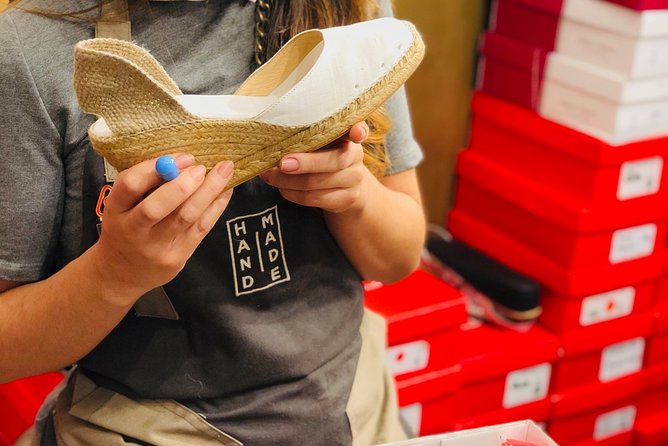
This is a strong fit if you want:
- A hands-on souvenir you can use, not just display
- An activity that works for different ages and experience levels
- A class in English
- A fun Gothic Quarter stop that ends with photos and celebration
Many people also described the teachers as entertaining and very patient, which matters if you’re traveling with kids or you’re worried you’ll be slow.
Who might hesitate: if your dream is full, detailed shoe construction from scratch, you may feel some disappointment. One review explicitly said it felt more like decorating a prepared base, with limited decoration options. That doesn’t make it bad—it just means it’s closer to guided customization than total shoemaking.
Tips to get the best result from your espadrilles class
A few practical moves will help you enjoy the process more.
- Dress for crafting. You’ll be seated and working with materials, and comfortable clothes beat trying to stay neat.
- Pay attention when choosing colors and styles. That early decision shapes how satisfied you’ll feel later when the shoes are finished.
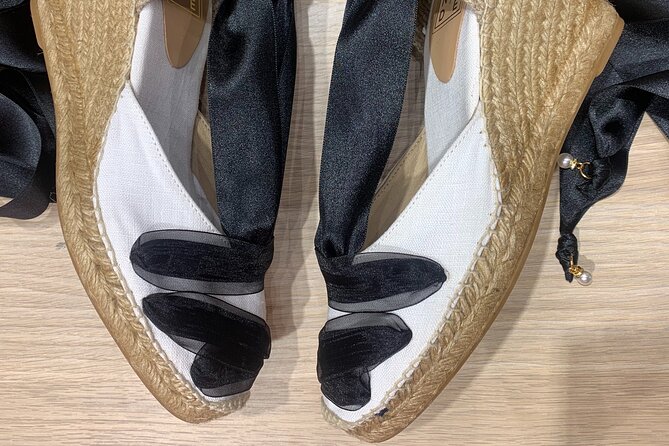
- Think about lacing. You’ll get instruction, but if you take a moment to lace carefully, your final result looks better and feels more comfortable.
- Plan your outfit around wearing them soon. Many people end up proud enough to wear their espadrilles right after.
- If you want height or a different sole, ask early about the premium base options like wedge, heel, or platform so you can plan your budget.
Should you book this espadrille workshop in Barcelona?
I’d book it if you want a hands-on, culturally rooted craft that ends with a wearable result and an enjoyable social finish. The included pair of custom espadrilles is the main win, and the included cava/snacks plus the photo-and-dance ending make the time feel like a real Barcelona moment rather than a quick classroom chore.
I’d reconsider only if you’re specifically looking for full traditional shoemaking from the ground up. This workshop seems structured, guided, and focused on personalization and lacing as much as it is on building every element from scratch.
If you want something different from the usual museum-and-tapas rhythm, this hits a sweet spot.
FAQ
How long is the espadrille workshop?
The workshop runs about 2 hours.
What’s included in the price?
You get a pair of custom-made espadrilles, plus cava and snacks served during the session.
Is the workshop offered in English?
Yes, it’s offered in English.
Where do I meet, and when does it start?
You meet at Carrer d’Avinyó, 8, Ciutat Vella, 08002 Barcelona, Spain. The start time is 10:00 am, and the activity ends back at the meeting point.
Can I participate if I’m a beginner?
Yes. The workshop is accessible to participants of all experience levels, and most travelers can participate.
Can I cancel for free?
Yes. Free cancellation is available up to 24 hours in advance for a full refund.