REVIEW · BARCELONA
KBr Fundación MAPFRE – Photography Exhibitions
Book on GetYourGuide →Operated by Fundación Mapfre | Touristcheck · Bookable on GetYourGuide
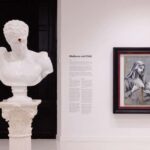
Barcelona’s photo exhibits sit by the sea. At KBr Fundación MAPFRE’s Photo Center in Port Olímpic, I like how the space keeps things calm and gallery-like while spotlighting major names in photography. You’ll step into two exhibition spaces and spend a day focused on images instead of crowds.
Two things I really like: first, the Walker Evans: Now and Then show (on view until May 24, 2026) gives you a clear sweep through his career, with curator David Campany helping you connect the dots. Second, the Pérez Siquier exhibition draws from the Foundation’s own collection and tracks his shift from black-and-white to color in a way that feels personal, not academic.
One thing to watch: if you book a specific time slot, double-check the opening status before you go. One reported issue was an exhibit showing as closed after arriving, and it took time to sort out a refund.
In This Review
- Key highlights to plan around
- KBr Fundación MAPFRE in Port Olímpic: a photo center you can actually enjoy
- Walker Evans: Now and Then (until May 24, 2026)
- Pérez Siquier from MAPFRE collections: seeing Spain shift in color
- Two exhibition spaces: how to pace a 1-day visit
- Audio guide and headphones: small rules that affect your experience
- What the ticket really buys you at $5
- What I’d use as decision filters (based on real viewing moods)
- Who should book this photo exhibition day in Barcelona
- Should you book KBr Fundación MAPFRE photography exhibitions?
- FAQ
- How much does the KBr Fundación MAPFRE photography exhibitions ticket cost?
- How long is the experience?
- Where is the photo center located?
- What are the current exhibitions?
- What are the opening hours?
- Is an audio guide included, and what languages are available?
- Do I need internet for the audio guide?
- Are headphones required?
Key highlights to plan around
- Port Olímpic location: a very easy Barcelona neighborhood to reach, with a seaside feel before and after the show
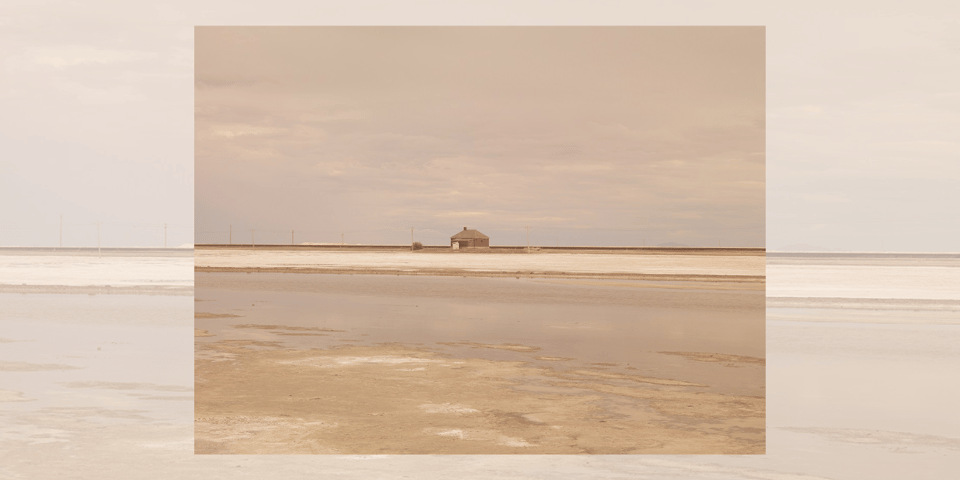
- Walker Evans show until May 24, 2026: career-spanning views, from his early work to later Polaroid experiments
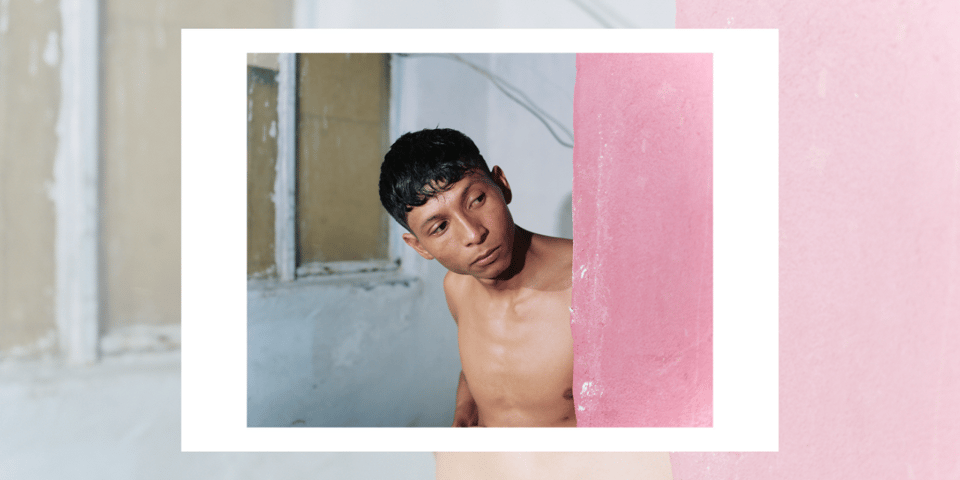
- Pérez Siquier from MAPFRE collections: modern Spanish photography with series like La Chanca and The Beach
- Two exhibition spaces, one ticket: good value if you like moving at your own pace
- Free audio guide in English, Catalan, and Spanish: QR access inside the rooms (headphones required)
KBr Fundación MAPFRE in Port Olímpic: a photo center you can actually enjoy
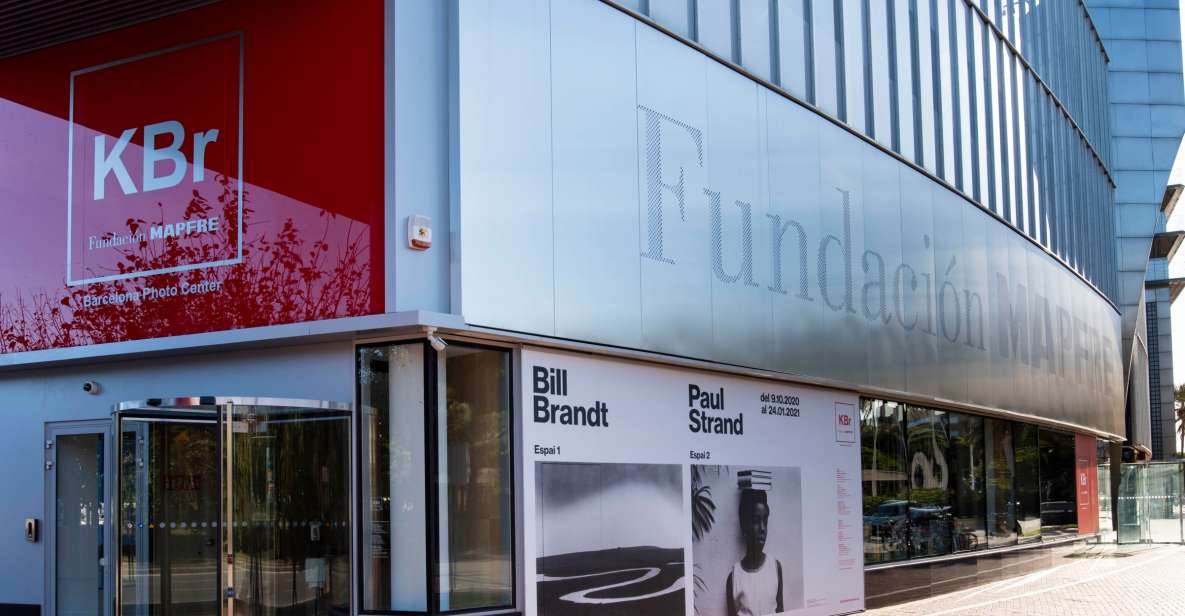
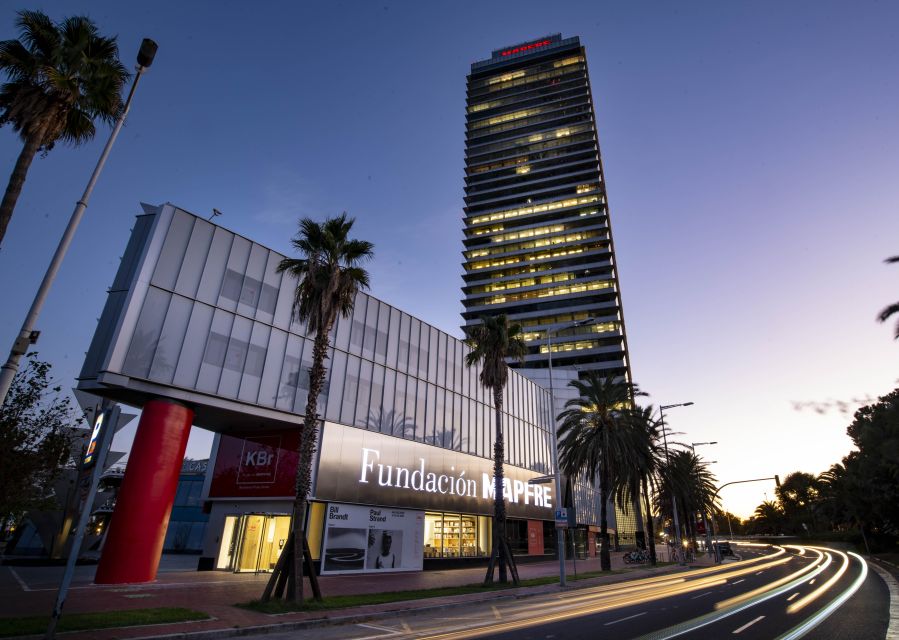
KBr Fundación MAPFRE’s Barcelona Photo Center is in Port Olímpic, which matters because the area is practical. You’re close to transit, and you can build the day around the exhibitions without feeling trapped in a maze of transfers.
The space itself feels made for looking. Lighting is gallery-appropriate, and the rooms are set up so you can stop, zoom in with your eyes, and read captions without the whole experience turning into a race. At a place like this, that quiet pacing makes the difference between “I saw some photos” and “I really understood what I saw.”
I also like that the ticket is inexpensive for what you get. At about $5 per person, you’re not paying boutique-gallery prices for a museum-style visit, especially because the names on the wall are seriously heavyweight.
Finally, there’s a detail that sounds small but helps: the center includes an audio guide. If you like to read while you look, great. If you prefer listening and then returning to a specific image, that works too.
You can also read our reviews of more museum experiences in Barcelona

Walker Evans: Now and Then (until May 24, 2026)
This is the main temporary exhibition, and it’s the one that gives you a guided feeling even when you’re walking on your own. Walker Evans: Now and Then covers Evans as a key figure in modern photography, and it does it by tracing how his way of seeing evolved across decades.
What you’ll likely appreciate most is the range of subject matter. Evans is known for a direct, almost austere approach, but the exhibition emphasizes the expressive part too: everyday life, urban scenes, and the faces of ordinary people. That mix keeps the show from turning into a history lesson that you survive rather than enjoy.
One smart thing the show does is connect his early work to later experimentation. The exhibition spans from his 1920s photographs to his Polaroid work in the 1970s. If you’ve ever wondered how photographers change when the tools change, this is the kind of exhibit that answers that question without lecturing.
Curator David Campany is credited for the overview, and that shows in how the career is presented as a set of repeated obsessions rather than separate eras. Evans’ curiosity for popular culture isn’t treated as a side note. It’s part of the story of how he built an eye that stayed sharp even as society changed around him.
You’ll also see material credited to major archives. For example, photo credits reference the Walker Evans Archive at The Metropolitan Museum of Art. That doesn’t automatically make the show better, but it usually means the selections are serious and the image history is handled with care.
There’s another layer too: the description notes a third edition of an annual appointment connected to emerging creation around the Walker Evans theme. Even if you don’t focus on that section first, it’s a nice reminder that documentary-style looking still has a pulse today.
Pérez Siquier from MAPFRE collections: seeing Spain shift in color
If Walker Evans gives you an American lens on modern life, Pérez Siquier gives you a Spanish lens—especially on how visual style can mirror social change.
Carlos Pérez Siquier (1930–2021) is presented as a major renewer of 20th-century photographic language. The show makes a clear point: from Almería, he developed a modern and poetic body of work with sensitivity and irony—so you’re not only looking at images, you’re feeling the attitude behind them.
What I like about this exhibition is how it builds a viewing journey around the medium itself. It traces his move from black-and-white to color, using emblematic series such as La Chanca, Informalisms, and The Beach.
That transition is more than technical. Color photography changes what the eye prioritizes: light, skin tones, atmosphere, and the emotional temperature of a scene. When a show explicitly maps that shift, you end up understanding why certain photographs land harder than others. The exhibition also uses the Foundation’s collection history, noting that these works have been incorporated into the photography collection since 2022.
The credits include VEGAP in Barcelona for Pérez Siquier’s images. For you, that simply signals the show isn’t just using random reproductions. It’s presenting work with real institutional backing and proper rights context, which often goes along with careful printing and display.
One practical bonus: if you’re traveling and only have time for one photo stop, this one tends to feel rewarding even if you don’t know Pérez Siquier. The subject matter and the stylistic evolution give you enough to latch onto fast.
Two exhibition spaces: how to pace a 1-day visit
The center includes two exhibition spaces, and that’s a gift if you like options. You can start with the temporary show and then let the collection exhibition slow you down—or reverse it if you want a calmer entry first.
A good way to pace this, without rushing, is to think in two passes:
- First pass: watch for big ideas. Which series feels most connected to your interests—urban life, anonymous faces, everyday scenes, beach settings, or the move into color?
- Second pass: pick two or three images you can’t stop looking at, then spend more time reading details around them.
Because it’s only a 1-day activity, you don’t need to over-plan. Still, timing matters. The center is open through the week, but hours shift depending on the season:
- October 1 to March 31: Tuesday–Sunday (and holidays) 11:00 am–7:00 pm
- April 1: Tuesday–Sunday (and holidays) 11:00 am–8:00 pm
If you arrive close to the evening closing time, you’ll feel the pressure. For photos, that pressure is the enemy. I’d aim for an hour earlier than the last third of the day so you can linger.
Also note: there are rules like no swimwear and no food. Not a big deal, but it’s the kind of thing that can make you uncomfortable if you planned to snack. Bring a light drink if you need it, but keep it mindful of house rules.
Audio guide and headphones: small rules that affect your experience
The experience includes an audio guide, available in English, Catalan, and Spanish, and you access it through a QR code inside the rooms. That’s included in the standard ticket.
Here’s the practical part: you need a mobile device with active mobile internet for the audio guide. The good news is that if you don’t have data, you can connect to the free Wi-Fi network available in the space.
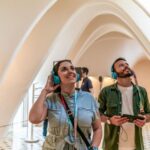
Headphones are required. That keeps sound from bouncing around and breaking the quiet vibe that makes photo exhibitions work. It’s recommended you bring your own headphones. If you forget, you can buy headphones at the ticket counter for €1 (jack type), though you might wait depending on availability.
If you’re the type who hates fumbling with tech in the middle of looking, do this before you enter the first room. Get your audio setting ready, test the volume, and only then start scanning QR codes. It turns the audio guide from a chore into a smooth companion.
You can also read our reviews of more photography tours in Barcelona



What the ticket really buys you at $5
The price is listed at $5 per person, and for that, you’re buying more than entry. You’re getting access to major contemporary storytelling through photography, plus audio support.
The two exhibitions are strong on different fronts:
- Walker Evans: career sweep, documentary roots, later experimentation (including Polaroid work in the 1970s)
- Pérez Siquier: a Spain-centered voice, plus a clear visual evolution from black-and-white to color
Add in the design choice of two exhibition spaces, and the ticket starts to feel like a deal. Even if you spend just an hour in each section, you end up with enough time to understand major themes instead of skimming walls.
One note on value: the experience depends on you being comfortable with quiet viewing and reading captions. If you want constant motion or guided group entertainment, a photo center like this won’t fit that mood. But if you like to slow down, it’s a very fair price.
What I’d use as decision filters (based on real viewing moods)
Not every photo show hits the same way for every person. Here’s how I’d match this one to your taste.
You’ll probably love it if:
- You enjoy documentary-style looking and social observation
- You like seeing photographers evolve over time instead of only seeing a highlights reel
- You’re happy to spend a bit of time with captions and context
- You want a calm cultural break in Barcelona that doesn’t require a reservation-heavy plan
You might find it less satisfying if:
- You need a very structured, guided explanation with a person leading you through the whole experience (this is audio-led, not tour-led)
- You’re worried about tech friction for the QR audio guide and don’t want to rely on Wi‑Fi or mobile data
- You’re sensitive to headset rules and forgetfulness (headphones are required)
One more reality check: a few visitors rated the experience lower, with one specific complaint about arriving when an exhibition was closed after booking a time slot and struggling to get a refund. That’s not a reason to panic, but it is a reason to confirm the day-of status before you make the trip.
On the positive side, reviews highlight how calm the exhibits can be and how well the shows work for sustained looking. One review also mentions archival work related to Tina Modotti, which is the kind of name you’ll appreciate if you like strong documentary and early modern photography.
Who should book this photo exhibition day in Barcelona
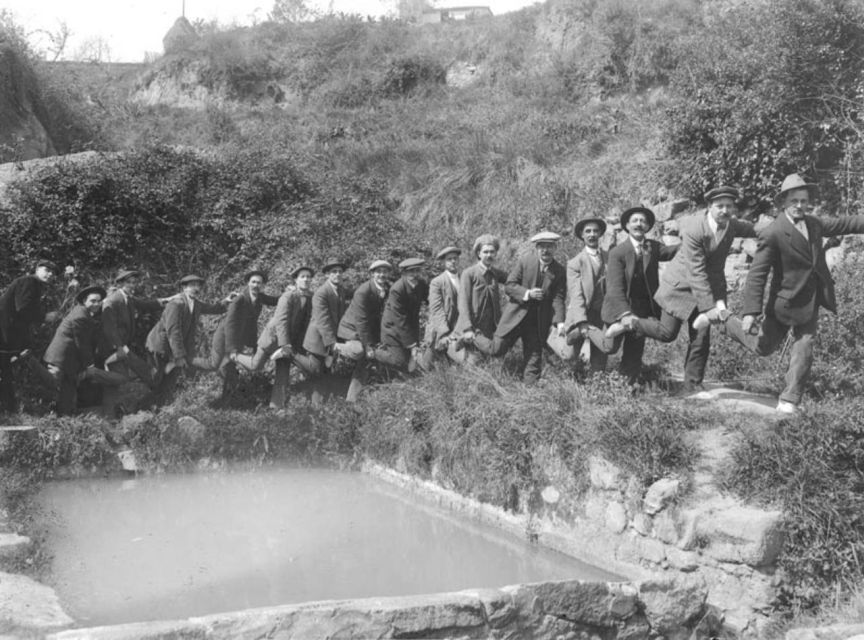
This is best for travelers who want culture that feels grounded. Not big themed rides, not shopping-driven stops—just photography displayed in a way that encourages attention.
If you’re a solo traveler, it’s especially easy. You can move between the two spaces when your mind needs a reset. If you’re traveling with someone who isn’t sure about photography, this can still work because the exhibitions focus on recognizable storylines: modern life, changing styles, and the human presence in the frame.
It also fits well with an itinerary that already includes beachy Port Olímpic walks. Before or after, you can get your bearings in the neighborhood without spending your energy on navigation.
Should you book KBr Fundación MAPFRE photography exhibitions?
I’d book this if you want a low-cost, high-concentration photography stop with Walker Evans and a strong Spanish collection show by Pérez Siquier. At around $5, the value is hard to beat, especially with a free audio guide and two exhibition spaces.
Skip it only if you’re uncomfortable with quiet gallery rules, you hate headphone requirements, or you really need a live guide telling you exactly what to look at. And if you’re booking a specific time, do a quick check before you leave—because one bad experience does show that time slots matter.
If you fall into the first group, this is a very easy way to spend a day in Barcelona that leaves you with more than photos in your camera roll. You’ll leave with actual ideas about how photographers see the world.
FAQ
How much does the KBr Fundación MAPFRE photography exhibitions ticket cost?
The price is listed at $5 per person.
How long is the experience?
It’s a 1-day visit.
Where is the photo center located?
It’s at the KBr Fundación MAPFRE Barcelona Photo Center in the Port Olímpic area of Barcelona.
What are the current exhibitions?
The temporary exhibition space includes Walker Evans: Now and Then (on view until May 24, 2026). There is also an exhibition featuring Pérez Siquier from the Fundación MAPFRE Collections.
What are the opening hours?
October 1 to March 31: Tuesday to Sunday (and holidays) from 11:00 am to 7:00 pm.
April 1: Tuesday to Sunday (and holidays) from 11:00 am to 8:00 pm.
Is an audio guide included, and what languages are available?
Yes. The audio guide is included and available in English, Catalan, and Spanish. It’s accessed via a QR code in the room.
Do I need internet for the audio guide?
You’ll need a mobile device with active mobile internet connection. If you don’t have data, you can connect to the free Wi-Fi in the space.
Are headphones required?
Yes. Headphones are required to avoid disturbing other visitors. You’re recommended to bring your own, and you can also purchase jack-type headphones for €1 at the ticket counter if needed.