REVIEW · CATALONIA
Guided tour Museum of Contemporary Art and Sculpture Park
Book on Viator →Operated by Arte-contemporary & Sculpture Park · Bookable on Viator
This is a guided walk where contemporary sculpture lives inside an olive-and-carob setting near the Mediterranean, with views toward the Ebro Delta. You also get a people-first welcome from the staff, especially Jordi, whose tour style helps you slow down and actually look at what you’re seeing.
The main drawback is simple: this experience needs good weather. If the sky’s not cooperating, the visit may shift to a different date or you’ll get a refund.
In This Review
- Why this guided tour feels worth your time
- Key highlights worth planning for
- Where Arte-contemporary Sculpture Park fits on a Catalonia trip
- Price and what you’re really paying for
- Meeting point in La Ràpita: get oriented fast
- The outdoor sculpture park: why you should walk slowly here
- Indoor gallery time: art with a calmer pace
- Tapas and the food-truck bonus (how to plan for it)
- Who this tour is best for (and who should adjust expectations)
- The guide and owners: why the welcome matters here
- Mobile ticket, group size, and timing: small logistics that matter
- Should you book this guided tour of the sculpture park?
- FAQ
- How long is the guided tour?
- How much does the tour cost?
- Where do I meet for the tour?
- Is the admission ticket included?
- What if the weather is bad?
- Can I cancel if my plans change?
- Are service animals allowed?
- Is this tour suitable for most people?
Why this guided tour feels worth your time
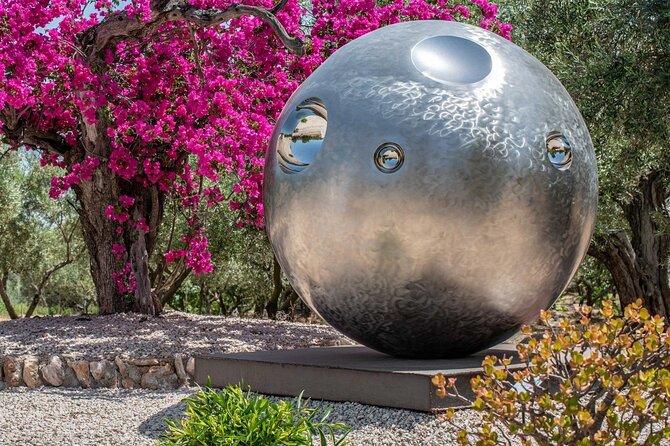
Jordi’s guided approach turns a garden-style art visit into something you can follow from piece to piece. And the park layout gives you that rare mix: outdoor sculptures you spot while wandering, plus an indoor gallery for more focused viewing when the sun gets strong.
Key highlights worth planning for
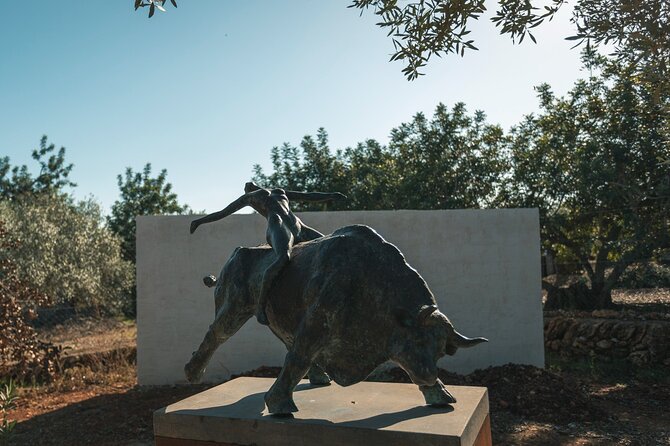
- A sculpture park in an agricultural setting: you move through olive and carob trees while art hides, appears, and changes with your angle.
- Ebro Delta viewpoints: the outdoor route is tied to the wider scenery, not just the objects.
- Indoor gallery when you need a pause: you shift from open-air walking to calmer, enclosed viewing.
- Small-or-medium group experience: the tour is capped at 150 travelers, so it’s not a huge crowd crush.
- Friendly hosts with real pride in the place: you’ll hear from Jordi, and you’ll also see the warmth associated with the owners, Rinus and Aniet.
- Food options on site: visitors often mention tapas via the on-site food setup, making it easy to extend the outing.
You can also read our reviews of more guided tours in Catalonia


Where Arte-contemporary Sculpture Park fits on a Catalonia trip
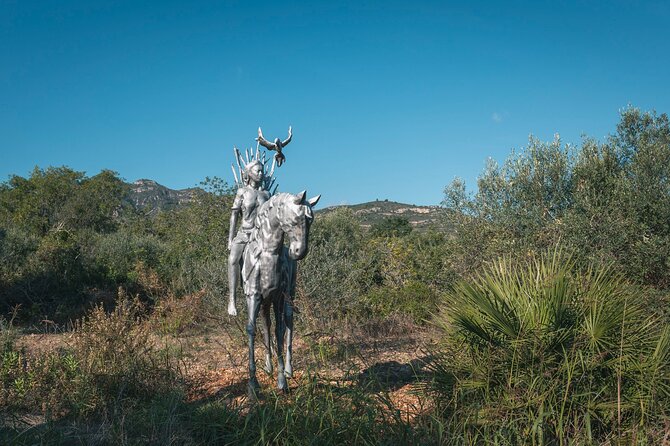
La Ràpita (in Catalonia’s Tarragona province) is one of those places where you can plan a day that doesn’t feel like a “rush to see everything.” This guided tour is aimed at exactly that kind of reset. The setting is rural—olive and carob trees, outdoor paths, and wide views—yet the art is contemporary and intentional, so you’re not just wandering a pretty farm.
The key idea is that the art doesn’t sit in a sterile museum box. It’s placed where you have to move slowly enough to notice how sculptures relate to branches, shadows, and sightlines. That’s why this kind of tour works best when you leave some slack in your schedule. If you’re the type who wants checkmarks and quick photos, you might find yourself waiting for a pace you don’t naturally take. If you like walking and looking, you’ll settle right in.
Also, the tour includes admission to the main experience, and you’ll receive a mobile ticket. That matters in a practical way: no scrambling for paper, and you can focus on getting there on time.
Price and what you’re really paying for
At $53, the price isn’t just about entering a room of art. You’re paying for a guided experience that combines:
- a structured route through the outdoor sculpture park (about 1 hour)
- time in the indoor gallery
- and the on-site admission tied to the activity
On a value level, this makes sense if you consider what you’d do otherwise: you’d either pay for a self-guided entry and still need time to piece together what you’re looking at, or you’d add a tour somewhere else to make sense of the art. Here, the guidance is part of the package.
One more value point: the staff energy shows up in the way the place is described—people talk about the guide’s enthusiasm and the owners’ warmth (names that come up often are Jordi, Rinus, and Aniet). In other words, it’s not the kind of visit where you feel like you’ve been “processed.” You’re meant to feel welcomed.
Meeting point in La Ràpita: get oriented fast
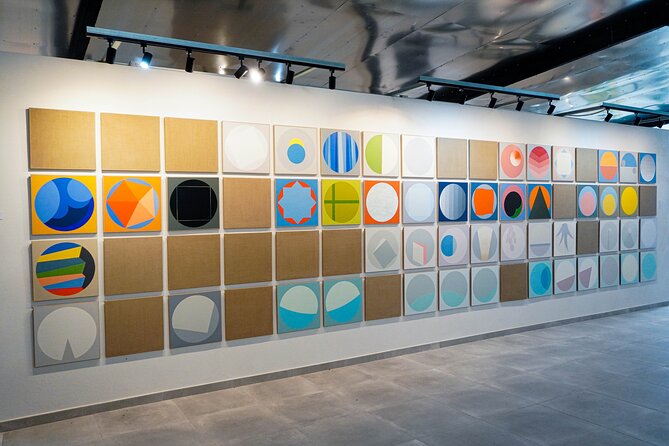
The meeting point is the Museu Arte-Contemporary, Camí de Brusca, s/n, 43540 La Ràpita, Tarragona, Spain. The tour starts at 10:30 am and ends back at the same spot.
Two practical tips for smooth arrival:
- Plan to be there a bit early. In rural settings, you don’t want to be the person trying to “figure it out” five minutes before departure.
- Wear shoes you trust. The park is outdoors among trees and sculptures, and you’ll be doing a walking route rather than a quick museum loop.
If you’re traveling with a service animal, this activity allows service animals. And the experience notes say most travelers can participate, so it’s not framed as a highly technical physical challenge—still, you’ll be moving outdoors.
The outdoor sculpture park: why you should walk slowly here
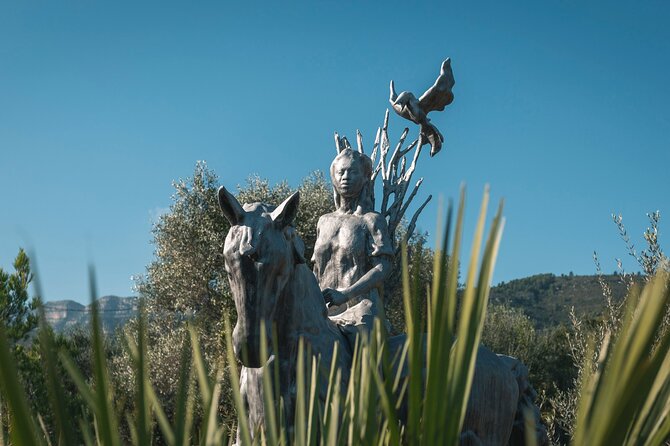
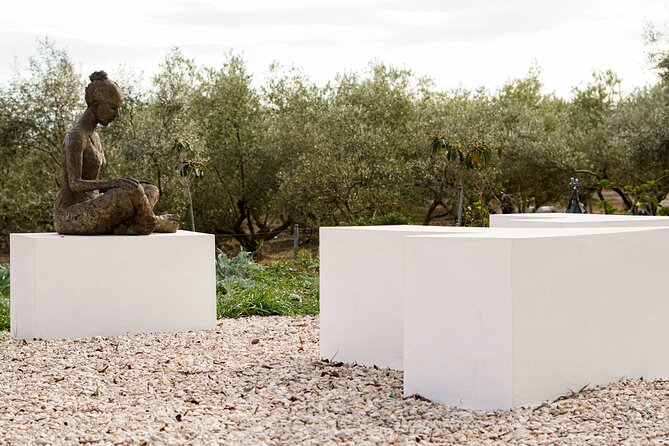
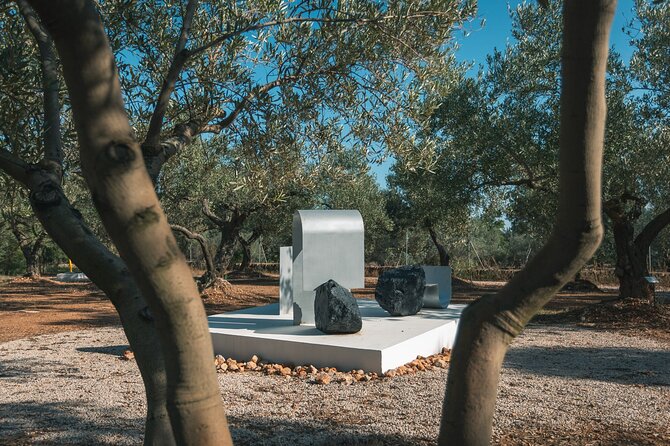
The main stop is the Arte-contemporary & Sculpture Park—an oasis of contemporary art among olive and carob trees with views toward the Ebro Delta. The route is intentionally shaped by the landscape. That means the sculptures don’t all “sit politely” at eye level. Some you’ll spot from a distance. Others you’ll only notice once you’re closer and can see their forms against the branches.
Here’s what I’d focus on as you walk:
- Look for sculptures above the olive trees. Several visitors mention that viewpoint matters, and that art can appear in places you wouldn’t expect if you’re only scanning at ground level.
- Slow down for small pieces. One review specifically warns that smaller works in and under the olive trees can be easy to miss if you rush.
- Notice the changing angles. Outdoor art looks different depending on where the light is coming from and how the trees frame the view.
And yes, the scenery is part of the experience. You’re not just looking at objects; you’re watching how the park sits in the wider Mediterranean world. That’s why good weather really matters—not only for comfort, but because sky and light make the sculptures feel more “alive.”
Time-wise, this part is about 1 hour with admission included.




Indoor gallery time: art with a calmer pace
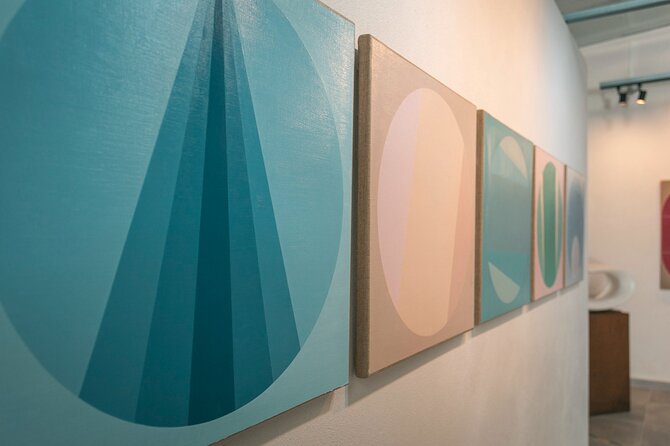
After the outdoor walking, you shift to an indoor gallery. This is where the tour balances the whole visit. Outdoors, you’re moving through space and catching sightlines. Indoors, you can take your time with details without sun glare or wind distractions.
From what’s described, the indoor collection has enough variety to keep you curious rather than stuck in one style. It’s also a useful reset if you’ve been in bright heat earlier in the day.
Practical tip: don’t treat the indoor stop as the “quick room” you rush through. If you want the full experience, give yourself a few minutes to slow down your looking. The contrast—outdoor sculptures in agricultural space, then the indoor pieces—helps your brain reset and read the art differently.
Tapas and the food-truck bonus (how to plan for it)
Food isn’t the centerpiece of the art, but it can extend your day in a smart way. Visitors often describe enjoying tapas on site, including mention of an on-site food setup (described like a food truck). That means you can turn the visit into a longer, more relaxed outing without hunting for a restaurant right after.
A practical way to plan:
- If you’re the kind of person who gets hungry during tours, consider timing your tapas so it doesn’t cut into your indoor gallery time.
- If you have dietary needs, ask. One visitor shared they have a severe garlic intolerance and said tapas worked out well for them—so it’s at least a place where staff attention can matter. Still, don’t assume your needs will match someone else’s experience. Ask on arrival.
This is one of those experiences where food feels like part of the hospitality, not an afterthought.
Who this tour is best for (and who should adjust expectations)
This guided tour is a strong match for you if:
- you like modern art but find it easier when someone helps you connect the pieces to place
- you enjoy walking in the open air and noticing small details
- you want a day that’s calm and human-sized rather than a sprint through sights
It’s also ideal if you’re traveling with people who don’t all agree on what “culture” means. The combination of art and a natural, rural setting seems to satisfy both sides.
You might want to adjust expectations if:
- you dislike outdoors walking, even light walking
- you only want indoor museum-style viewing
- you’re going during uncertain weather
Because the tour is weather-dependent, it’s smart to have flexibility in your schedule anyway.
The guide and owners: why the welcome matters here
Even without a lot of formal backstory, the tone of the people running the venue comes through clearly. Jordi is repeatedly mentioned as an enthusiastic, communicative guide. The owners’ names—Rinus and Aniet—show up in responses, and the repeated theme is a personal welcome rather than a detached operation.
That matters because the art in the park is partly about discovery. If you wander without any context, you might enjoy it but miss the “why” behind the placements. A good guide helps you read the sculptures as part of the landscape conversation rather than isolated objects.
This is also a big reason the reviews stay consistent: people talk about the art, but they also talk about the warmth of the hosts.
Mobile ticket, group size, and timing: small logistics that matter
A few practical details make the day easier:
- You’ll use a mobile ticket.
- The tour starts at 10:30 am.
- The activity lasts about 1 to 2 hours overall (with the main outdoor exploration taking around 1 hour).
- Group size is capped at 150 travelers.
For your planning, aim to arrive ready for a short but real walking experience outdoors. Bring water if it’s warm. And if you can, go with a camera, because the mix of sculpture shapes and olive-tree shadows can create some very memorable frames.
If you want to maximize comfort, plan layers. Rural outdoor settings can feel cooler in the morning and warmer later, depending on the day.
Should you book this guided tour of the sculpture park?
I’d book it if you want an art outing that feels grounded in place. The combination of contemporary sculptures, the olive-and-carob grove setting, and an indoor gallery for contrast is a strong package at $53, especially since admission is included and the hosts seem genuinely invested in your experience.
I’d think twice if weather is uncertain and you can’t shift your schedule, because the experience requires good conditions. Also, if you’re not a fan of outdoor walking, you may find the park approach less satisfying than a fully indoor museum.
If you’re flexible, curious, and okay slowing down to notice details, this is exactly the kind of Catalonia day trip that leaves you more refreshed than rushed.
FAQ
How long is the guided tour?
The activity runs about 1 to 2 hours. The main outdoor park exploration is listed as about 1 hour.
How much does the tour cost?
The price is $53.
Where do I meet for the tour?
You meet at Museu Arte-Contemporary, Camí de Brusca, s/n, 43540 La Ràpita, Tarragona, Spain.
Is the admission ticket included?
Yes. Admission to the experience is included in the tour.
What if the weather is bad?
The experience requires good weather. If it’s canceled due to poor weather, you’ll be offered a different date or a full refund.
Can I cancel if my plans change?
You can cancel for free up to 24 hours in advance for a full refund. If you cancel less than 24 hours before the start time, the amount paid is not refunded.
Are service animals allowed?
Yes, service animals are allowed.
Is this tour suitable for most people?
The information provided says most travelers can participate.