REVIEW · BARCELONA
Barcelona: Montserrat Hiking Experience and Monastery Visit
Book on GetYourGuide →Operated by WorldAdventour · Bookable on GetYourGuide
Montserrat is one of those day trips that feels like a full chapter. The reason is simple: you hike in the Montserrat Natural Park with a mountain leader, then you slow down for the monastery and the famous Black Saint Virgin, La Moreneta. I like that the group is capped at 8, so the pacing stays human, and you actually get time to ask questions (and spot small details you’d miss alone). One possible drawback: the hike involves uneven ground and steps both up and down, so it’s not the best fit if you hate heights or you’re low on stamina.
I also appreciate the “real-life” touches—things like herb talk while you walk, plus the chance to taste local cheeses and honey at a small farmer’s market afterward. If your guide is Stepan (a name that comes up often), you’ll likely get extra clarity on the plants, geology, and how locals see the mountain. If you prefer a mostly flat stroll, this is not that kind of day.
In This Review
- Key highlights you’ll feel all day long
- From Barcelona to Montserrat: the ride that sets the tone
- Meeting at Banc d’Espanya: what to bring so you don’t regret it
- The hike through Montserrat: herbs, boxwood, and real outdoor time
- Uneven trails and possible wildlife: how to handle the “watch your step” moments
- Breaks and viewpoints: getting your bearings without rushing
- Montserrat Monastery and La Moreneta basilica: the part you actually remember
- The Montserrat Museum window: optional culture time that doesn’t eat your day
- Farmer’s market stop: local cheese and honey, not just a souvenir trap
- How challenging is this hike? A realistic fitness check
- Group size and your guide: why Stepan and others matter
- Price and value: is $76 actually fair for this day?
- Who this Montserrat hike fits best
- Should you book the Montserrat hike with WorldAdventour?
Key highlights you’ll feel all day long
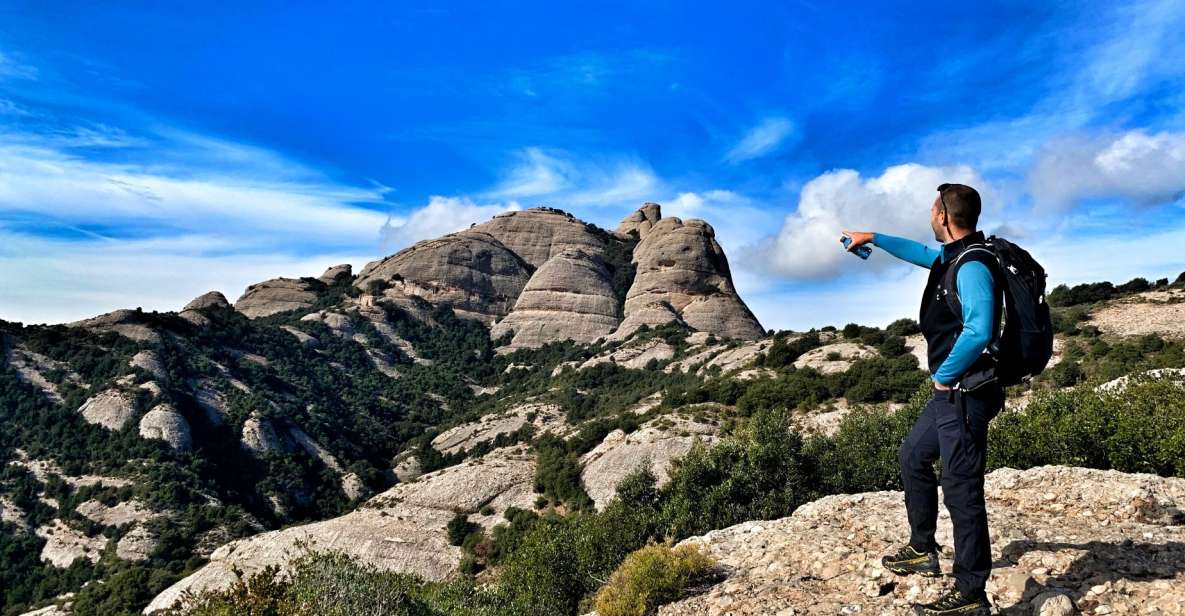
- Small group (up to 8) for an easier pace and more conversation on trail
- Qualified mountain leader guiding safe route choices and explaining what you’re seeing
- Montserrat monastery time with an entry ticket to the basilica and sights around La Moreneta
- Nature focus with talk about Mediterranean herbs, plus chances to spot ibex and birds of prey
- Farmer’s market tastings with local cheeses and honey at the end of the hike
- Included transport from Barcelona with bottled water and optional hiking poles
From Barcelona to Montserrat: the ride that sets the tone
You start in Barcelona at the big grey corner building marked with Banco de España. It’s a straightforward meetup spot, and once you’re in the van, the day starts moving fast in a good way—no awkward “figure it out” energy.
The ride runs about 55 minutes. That matters more than you might think. Montserrat isn’t far, but it can feel like a different world once you’re higher up and the air changes. You’ll have enough time to settle, get water, and get ready for walking before you’re on the trails.
You can also read our reviews of more hiking tours in Barcelona
Meeting at Banc d’Espanya: what to bring so you don’t regret it
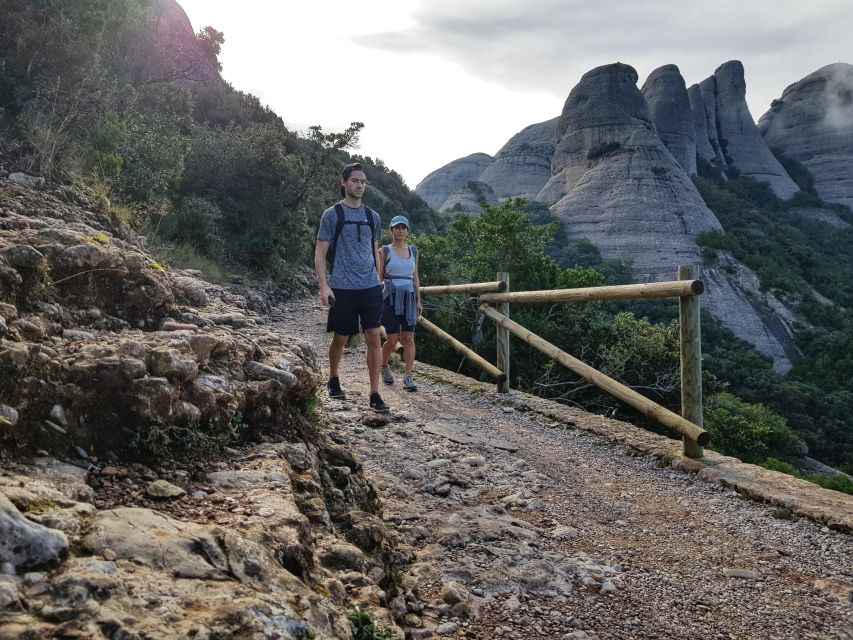
This outing expects you to hike, not just look. Wear comfortable shoes with real traction—no sandals, no flip flops, and don’t plan on “sporty sneakers if the ground looks fine.” You also want a sun hat and sunglasses. Even when the light is good for photos, the sun on exposed sections can surprise you.
Bring a daypack and add snacks and a jacket for cool or windy moments. The terrain can be uneven, and the day includes both uphill and downhill steps. If you run warm, pack accordingly, but still plan for layers.
One tiny planning win: bring a camera you can access easily. Montserrat gives you views in stages, not one big reveal, so you’ll want to stop when the scenery is worth it.
The hike through Montserrat: herbs, boxwood, and real outdoor time
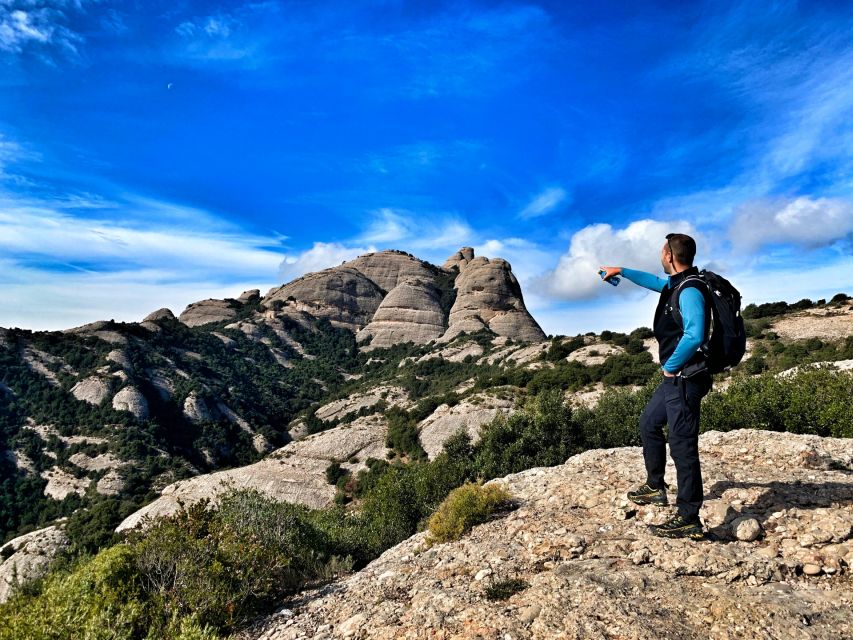
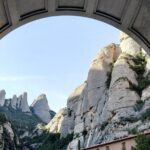
The heart of the day is your guided hike around the iconic mountain. Total time in the hiking area is about 3.5 hours, paced by a professional mountain leader.
You’ll walk through dense boxwood areas and along trails where the leader points out Mediterranean herbs. That’s more than trivia. It turns a walk into a sensory experience: you start noticing the way the plants smell, how the mountain manages dry summers, and why locals pay attention to this land.
Expect storytelling and cultural context as you go. The best part of a good guide isn’t just facts—it’s how they connect what you see to how Catalonia thinks about identity. In practice, that means you might learn why Montserrat matters beyond being “a scenic stop,” and you’ll likely pick up local recommendations you can use in Barcelona later.
Uneven trails and possible wildlife: how to handle the “watch your step” moments
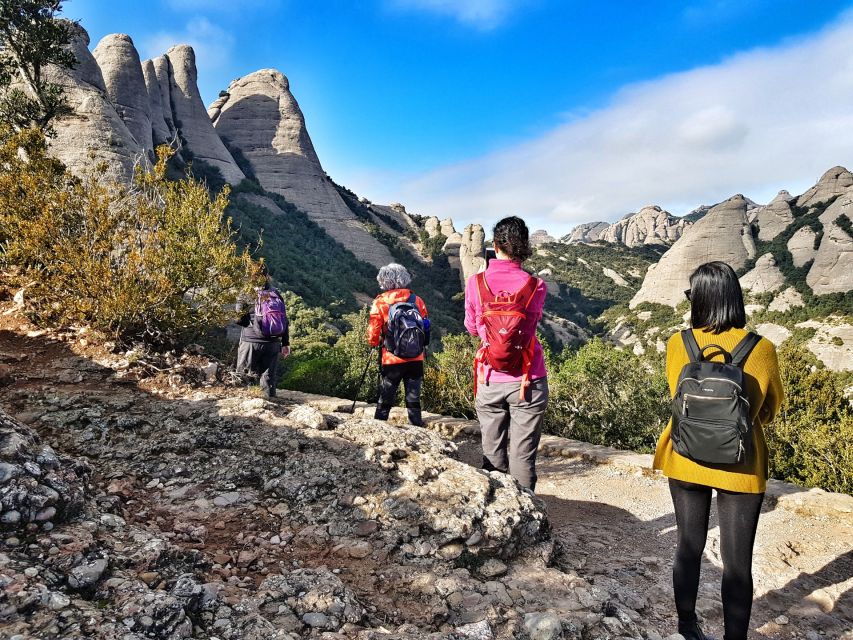
Montserrat is famous for dramatic rock formations. What’s less obvious is that the trail can be uneven and step-heavy. The hike includes steps both ways uphill and downhill, and you’ll feel it in your legs. Some trails also include switchbacks, which can be easier than they sound if you pace yourself.
There’s also a chance to spot Alpine ibex, the wild mountain goat. You’re not guaranteed wildlife sightings, but the leader’s trained eyes and your group’s smaller size improve your odds. Even if you don’t see ibex, you’ll likely get guided bird spotting—especially birds of prey, which can be seen if you scan in the right places.
One thing I’d take seriously: don’t rush the first steep bit. Several people noted the early part can be intense with stairs, then it becomes more manageable with easier segments. Think steady and safe. The mountain rewards patience.
Breaks and viewpoints: getting your bearings without rushing
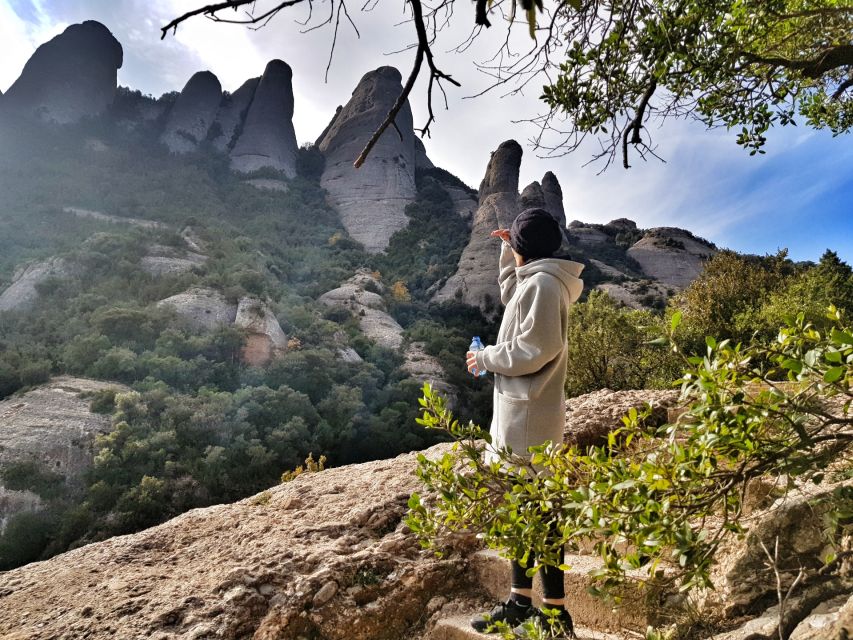
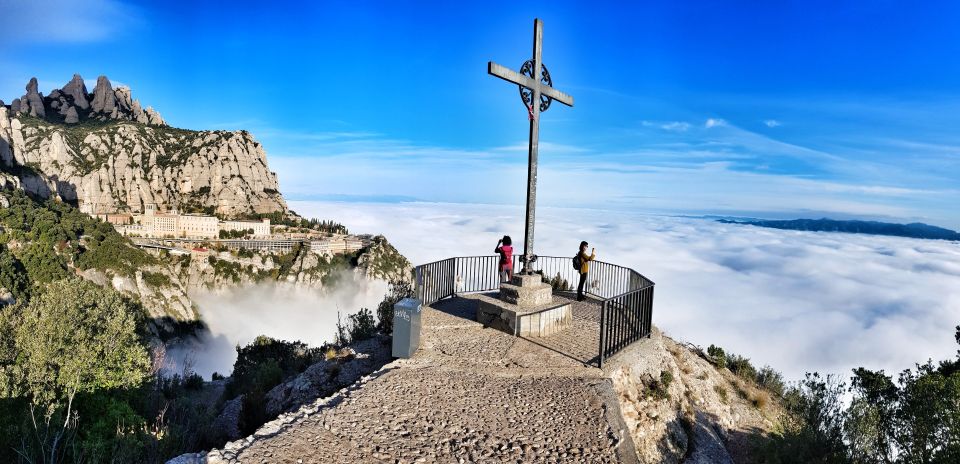
Along the way, you’ll get time to pause. You may stop briefly at an observatory-style point (or similar viewpoint area), which is a smart moment to refuel and reset your legs.
A good leader keeps the breaks useful. You’ll likely hear about flora and fauna, plus some geography that helps you understand what you’re looking at. That turns random stairs into a route with meaning.
If you’re the type who likes photos, you’ll get chances—especially when the view opens. Don’t overpack your camera routine, though. The best photos often come from a quick stop at a safe place, not from sprinting ahead of the group.


Montserrat Monastery and La Moreneta basilica: the part you actually remember
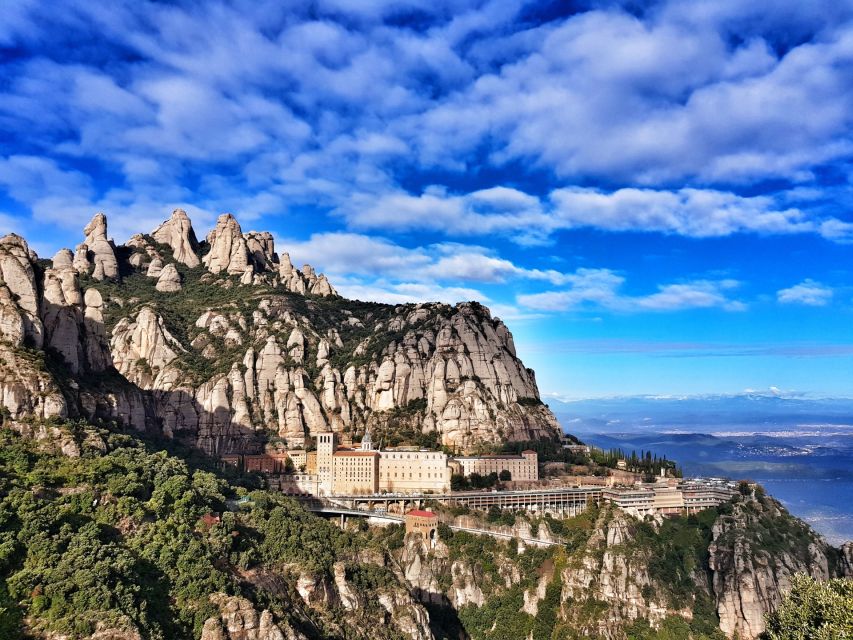
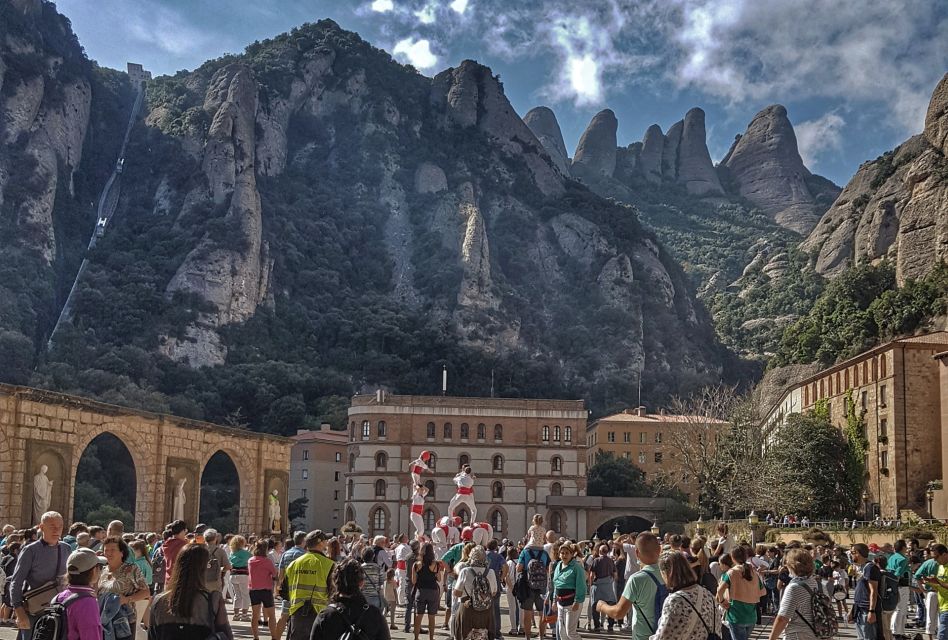
After the hike, the day shifts into a slower rhythm. You’ll arrive at the Benedictine monastery complex, which dates back to the 11th century. This is where Montserrat becomes more than nature.
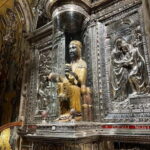
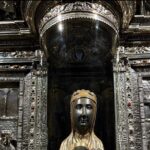
You’ll visit the basilica with an entry ticket included. The main draw is La Moreneta, the Black Saint Virgin. Even if you’re not a religious-history person, you’ll feel the gravity of the place—people come here for reasons that go beyond tourism.
Plan to take your time. You’ll have about 1.5 hours total at the monastery, including free time for sightseeing. That timing is good: long enough to go inside the basilica area and still have space to wander the courtyards and soak in the setting.
The Montserrat Museum window: optional culture time that doesn’t eat your day
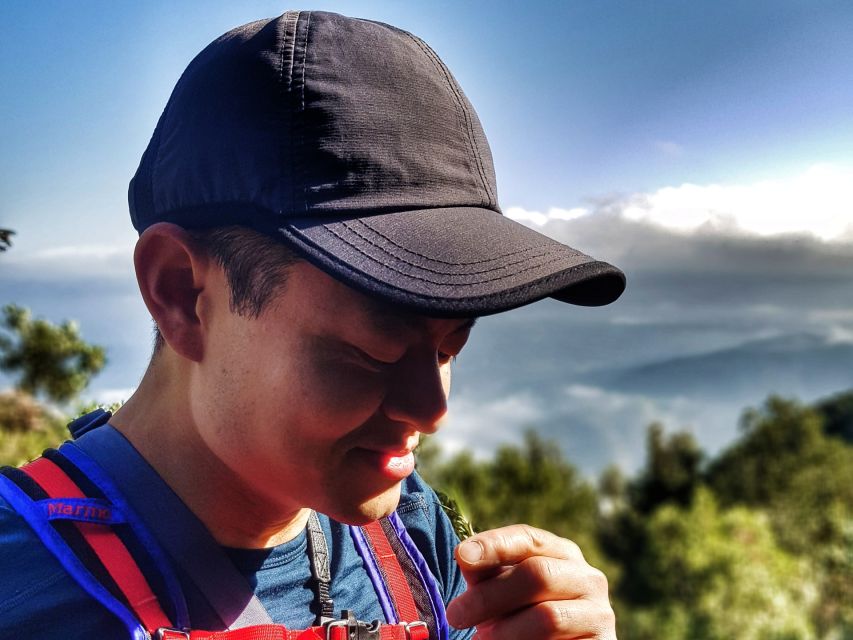
Your entry also includes the Montserrat Museum. During the monastery portion, you’ll have room to decide how you want to spend your free time.
A few people chose museum time and others simply walked, looked for souvenirs, and enjoyed the atmosphere. If you like interpretive exhibits, the museum can add context fast. If you prefer quiet and photos, you can use that hour to stay outside and keep it simple.
This flexibility is one reason the day works well for mixed groups: one person can focus on exhibits, another can focus on the monastery views, and the leader can still keep the group together.
Farmer’s market stop: local cheese and honey, not just a souvenir trap
On the way out, you stop at a small farmer’s market. This is one of the better “extras” on the day because tastings are built into the experience and you can taste what you came for—Catalonia’s local flavors.
Expect small tastings that can include cheeses, honey, and other locally produced goodies. People often mention how good the cheese tasting is, and it’s a good way to end the walk while your appetite is naturally up.
If you’re buying food to bring back, keep it realistic. Treat it like a snack plan for later, not an entire pantry restock. But even one or two items make a nice memory that isn’t locked in a photo file.
How challenging is this hike? A realistic fitness check
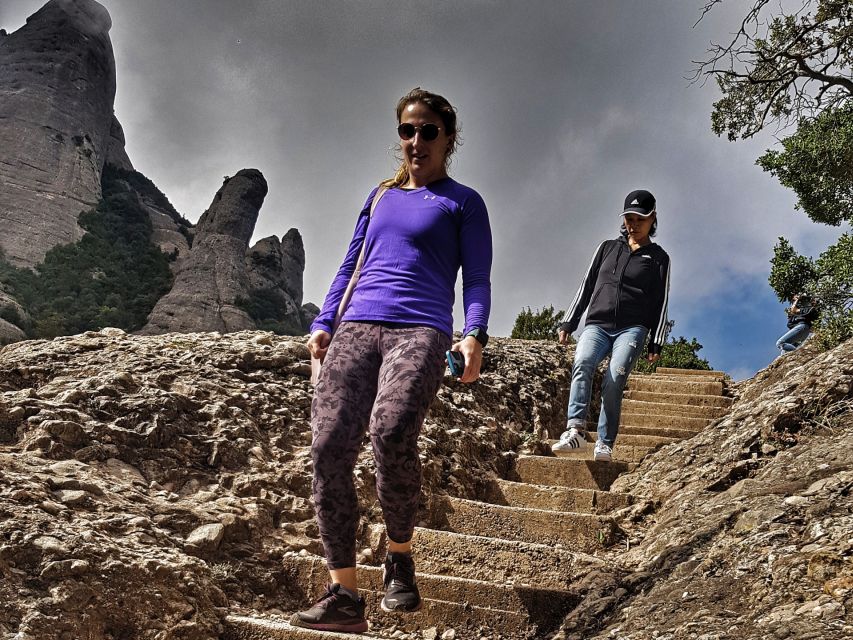
This is not a gentle walk. The day includes uneven terrain and steps both uphill and downhill. You should be comfortable walking for hours and managing footing on mountain ground.
A key detail: some people found the first part more intense with stairs for about 20 to 30 minutes, then the rest becomes easier with flatter sections or switchbacks. That means the difficulty isn’t constant—you do get breathing moments—but you should still plan for a workout.
It’s also not ideal if you have vertigo, fear of heights, or mobility limitations. And it’s not a good match if you’re visually impaired, based on the terrain nature and the hike design.
If you’re reasonably fit and you can handle steps, this is one of those hikes that feels satisfying by the end. If you’re not sure, err on the side of caution and choose a lighter option.
Group size and your guide: why Stepan and others matter
The group is limited to 8 participants. In practice, that makes the day feel more personal and less rushed. It’s easier for the leader to check in, adjust pace, and handle questions without repeating everything 10 times.
Guide names show up often in the feedback—Stepan is mentioned repeatedly, and Faivos appears as well. The pattern is consistent: guides share history and geology, point out plants, explain what to watch for, and keep safety front and center.
You’ll also notice the leadership style. Many people highlight how accommodating the route and breaks are for different participants. That’s a big deal on a day with uneven terrain—one person’s “manageable” can become another person’s “nope,” and a good leader reads that quickly.
Also: bottled water and the option for hiking poles (on request) help you stay comfortable. Small support details like that make the difference between finishing happy and finishing grumpy.
Price and value: is $76 actually fair for this day?
At $76 per person, this isn’t a cheap add-on, but it’s also not just you paying for a bus ticket. You’re paying for several built-in costs and the safety factor of having a trained guide on mountain terrain.
Included items add real value:
- air-conditioned round transport from Barcelona city center
- entry tickets to the basilica and the Montserrat Museum
- bottled water
- small tastings at the farmer’s market
- hiking poles on request
- accident and liability insurance for the activity
Lunch is not included, so you’ll want snacks and maybe plan to grab food after you return to Barcelona.
If you tried to do this on your own, you could save money—but you’d likely lose the guided trail explanations (herbs, cultural context, wildlife spotting tips) and you’d still need to solve how to get there and move around safely on a steep day. For many people, that tradeoff is worth it.
Who this Montserrat hike fits best
This tour makes the most sense if you:
- want a guided hike rather than a self-guided wander
- enjoy nature facts mixed with Catalan culture
- want the basilica visit to La Moreneta without guessing what to prioritize
- like small-group pacing and conversation
It’s less suitable if you:
- need a flat, low-impact walk
- struggle with steps, uneven ground, or heights
- have mobility limits, vertigo, or significant vision concerns
If you’re in Barcelona for only a few days and want one “wow” day that combines outdoors plus monastery atmosphere, this is a strong candidate.
Should you book the Montserrat hike with WorldAdventour?
Yes, I’d book it if your goal is a day with both movement and meaning. The combination of guided hiking, basilica time, and market tastings is a good structure: you get effort, then you get payoff, then you get something tasty.
Skip it if you’re looking for a relaxed stroll or you’re not comfortable with uneven, step-heavy terrain. Also think twice if heights make you uneasy.
If you’re reasonably fit, pack good shoes, bring layers, and plan to slow down for the monastery. Montserrat works best when you let it.