REVIEW · BARCELONA
A Day in Sants Feasting Off the Grid
Book on Viator →Operated by Culinary Backstreets Walks · Bookable on Viator
Sants can feel like a secret. This small-group Sants food tour takes you through lesser-known streets for local food, photo-friendly corners, and neighborhood history you usually miss. It is not a Gaudi detour. It is Barcelona as the locals eat it.
I especially like the way the route focuses on real neighborhood institutions: markets, old vermuterias, pastry shops, and down-home restaurants. You also get a small group size (max 7), which means you can ask your guide questions instead of guessing.
One thing to consider: this experience is weather-dependent. If conditions are rough, the plan may shift or the tour may be canceled.
In This Review
- Key points to know before you plan
- Why Sants is the perfect place to eat like a local
- Price and value: what $160 actually buys you
- Your morning game plan: start time, meeting point, and pace
- Stop 1 in Sants: markets, old vermuterias, pastry shops, and new projects
- Stop 2 in La Bordeta: breakfast at Mercat de Sants and a neighborhood food walk
- Stop 3 at Mercat de Sant Antoni: food meets community in a 19th-century textile factory
- Alcohol, lunch, and tasting style: how the meal actually works
- Photo spots and the “lesser-known district” advantage
- Shopping for souvenirs you will actually keep
- Small-group energy: why max 7 travelers matters
- Culinary Backstreets passport: a fun extra to keep track
- Tips to make the most of it (and avoid common hassles)
- Should you book this Sants food tour?
Key points to know before you plan
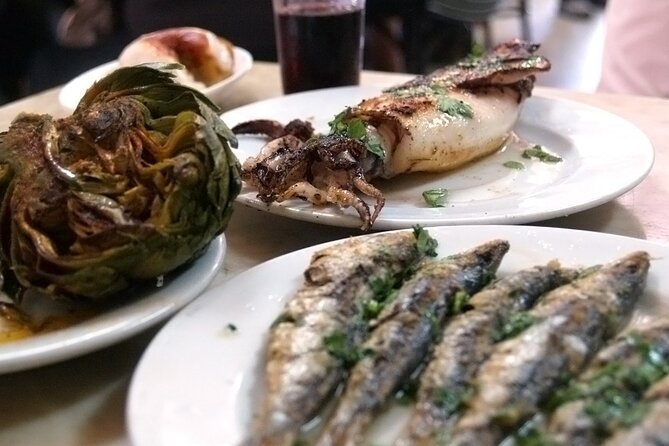
- A Sants route, not a greatest-hits tapas circuit, so you get the everyday side of Barcelona.
- Vermut and markets on the menu, including time for stops at old bars and newer culinary projects.
- A 19th-century textile factory turned community cultural center, adding context beyond food.
- Lunch plus snacks and alcoholic beverages are included, so you are not constantly paying extra at each stop.
- Small group format (up to 7) makes the experience feel relaxed and question-friendly.
- Souvenir time in local boutiques is built in, not treated like an afterthought.
Why Sants is the perfect place to eat like a local
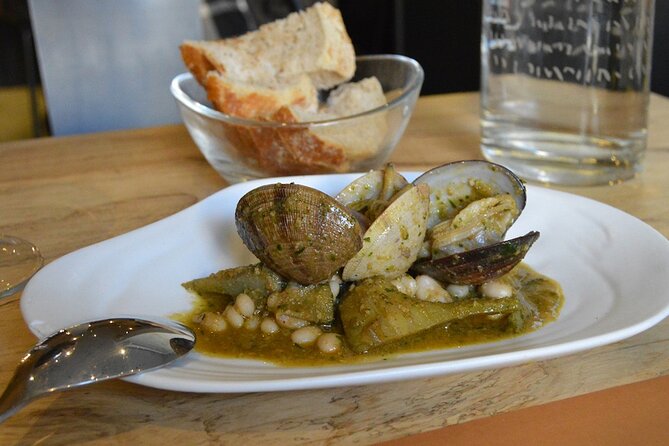
Sants sits just off the usual tourist lanes, which is exactly why it works for a food tour. You get the feeling of a real working neighborhood. You see how people shop, snack, and gather. And because the area is less “Instagram-optimized,” your photos come out more interesting.
This tour is built around that idea: you’re not coming for famous monuments. You’re coming for how Barcelona actually tastes. The pace is also friendly. At around five hours, it is long enough to cover multiple stops, but not so long that you feel like you need a recovery day afterward.
You can also read our reviews of more tours and experiences in Barcelona.

Price and value: what $160 actually buys you
At $160 per person for about five hours, the smart question is not whether it is cheap. It is whether you feel like you “got” a full day experience out of it.
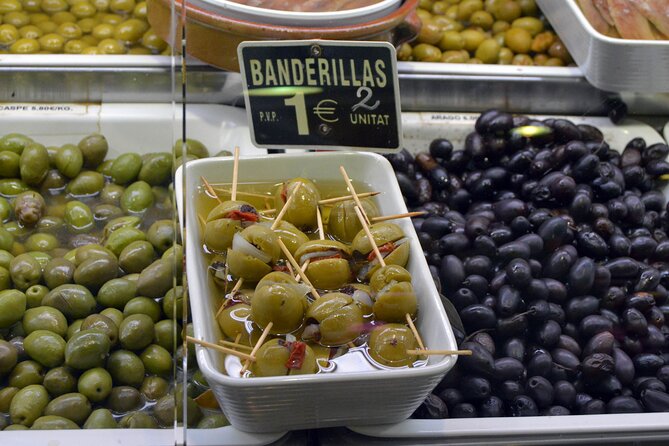
You do, because several key costs are already included: snacks, lunch, and alcoholic beverages. That matters in Barcelona, where a couple of drinks and a sit-down meal can add up fast. You are also getting a guided walk that connects food to place—markets to old bars to seasonal menus—so your time is doing more than just feeding you.
You also avoid the “private transportation” cost since it is not included. Practically, that means you should plan to arrive via public transit and meet the group on foot. If you already use transit in the city, that is a plus.
Small-group size is part of the value too. With a maximum of 7 travelers, the guide can keep the group moving without turning it into a conveyor belt.
Your morning game plan: start time, meeting point, and pace
You start at 9:00 am at Carrer de Sants, 109, in the Sants-Montjuïc area. The tour ends back at the same meeting point, which keeps things simple when your schedule is tight.
It is also described as near public transportation. That is helpful because you can keep your day flexible before or after the tour—no need to plan complex logistics or a long taxi run.
The overall structure is three food-focused stops, with time built in for questions. Expect lots of walking between tastings, plus breaks that still feel like part of the meal. If you like to ask why a dish is seasonal or what vermut culture is about, this route gives you that space.
Stop 1 in Sants: markets, old vermuterias, pastry shops, and new projects
The tour begins in Sants, with about two hours dedicated to the neighborhood’s food life. This is where you learn the difference between a tourist-style tapas stop and the local rhythm of eating across a whole day.
Here’s what the route aims to include:
- markets and everyday food counters
- old-style vermuterias (bars where vermut is part of the culture)
- pastry shops and bakery-style sweet stops
- down-home restaurants serving traditional Spanish dishes
- a look at contemporary culinary projects that show how Sants is changing
One of my favorite parts of this setup is the contrast. You are not only tasting the past. You’re also seeing how people are experimenting now, while still grounded in what the neighborhood already knows. That makes the food feel more meaningful, not random.
A drawback to keep in mind: if you are expecting big “top 10 tapas” energy, the tour is not chasing that. It is leaning toward local tradition and smaller places. That is a plus for authentic flavor, but it can feel different if you want a flashy highlight reel.
Stop 2 in La Bordeta: breakfast at Mercat de Sants and a neighborhood food walk
Next comes La Bordeta, also around two hours. This portion is designed to show you how life in Barcelona looked before the city became a global hotspot.
You start with a hearty breakfast at the restored Mercat de Sants, which has been operating since 1913. That alone is a great setup because you get to eat in a space built for local daily shopping, not a temporary market event.
From there, you keep moving through the neighborhood’s food scene:
- seasonal menus at shops and restaurants
- old-school bodegas and bars
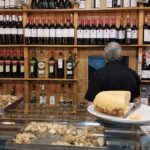
- vermut with tapas among wine casks
- small bakeries and chocolate shops for handmade sweets
This is one of those tour segments where the small details matter. A market breakfast changes the entire tone of the day. It makes later tastings feel connected instead of like a series of random samples.
Also, because it is about taste and habit, not just sightseeing, you get a better sense of what locals do between meals. You might not realize how much of Barcelona’s food culture is built around snacks, drinks, and short stops.



Stop 3 at Mercat de Sant Antoni: food meets community in a 19th-century textile factory
The third stop wraps things up with about one hour that shifts from food to community space. The tour includes a visit to a large 19th-century textile factory that locals transformed after decades of disuse into a cultural center. It even has its own bar and microbrewery.
Even though the day is anchored in eating, this final stop adds something important: context. Food stories land better when you understand the neighborhood’s people and organizing energy.
If you like travel that makes you feel you understand a place, this is the “why” section of the tour. You learn about community organizing in Sants and what makes the neighborhood special. And yes, it still stays grounded in the tour’s theme—more bites and more drinks as you learn.
One consideration: because this part focuses on community space and history, it is not a typical “market and more food” finale. If you only want pure eating the whole time, you may find this segment a bit more talk-heavy than expected. For most people, though, it is a payoff.
Alcohol, lunch, and tasting style: how the meal actually works
Because snacks, lunch, and alcoholic beverages are included, you will likely taste more than you would on your own if you were paying per stop. The goal is not to stuff you. It is to give you a sequence of experiences that feel like a real local day.
You can also expect vermut culture to show up in a natural way, not as a gimmick. One of the descriptions specifically points to vermut with tapas among wine casks, which is the kind of setting that makes the drink feel part of the food world.
As for lunch: it is built into the flow of old restaurants and down-home Spanish dishes during the route. You should come hungry, but not so hungry that you feel stressed by the walking.
Photo spots and the “lesser-known district” advantage
Sants is not trying to impress you with big postcard views. It helps you spot the textures of daily life instead. That is why this tour is described as a great time for photos in a district people tend to overlook.
You’ll get chances to photograph:
- market scenes and storefront rhythms
- older streets with a lived-in feel
- the contrasts between older institutions and newer food projects
- small bars and bakery windows where details matter
One practical note: you are walking through working neighborhood spaces. Move calmly, keep your phone away when you’re inside a shop, and be ready to snap quickly when your guide points out a good moment.
Shopping for souvenirs you will actually keep
This is one of those “nice bonus” features that many food tours skip. Here, you are given time to explore local boutiques and pick up souvenirs you won’t find everywhere.
That matters because in Barcelona, many shop stops feel like repeats of the same magnets and mass-produced trinkets. Here the emphasis is on local shops and neighborhood flavor. Even if you buy nothing, it is worth window-shopping because it helps you understand what the area is like beyond food.
If you love practical travel souvenirs—things you can use or wear—this part will likely fit your style.
Small-group energy: why max 7 travelers matters
A group of up to 7 changes the whole feel. You can hear your guide. You can ask questions without feeling like you’re holding everyone back. And because the route includes both classic institutions and newer projects, having time to clarify what you are seeing makes a big difference.
The best sign of this approach is in how people describe the guides: warm, enthusiastic, and genuinely invested in connecting food and history without attitude or pretension. That kind of guiding turns tastings into learning moments.
It is also why the “alternative Barcelona” angle works. If the guide rushes you through generic bites, you lose the point. With this group size, the tour stays conversational.
Culinary Backstreets passport: a fun extra to keep track
There’s a small bonus you may want to look for before you go: the Culinary Backstreets Passport. The provider encourages guests to collect stamps on their website after the tour.
It’s not essential to the experience, but if you are doing more than one food or walking tour, it gives you a simple way to track your favorites.
Tips to make the most of it (and avoid common hassles)
- Go with an appetite. Snacks plus lunch plus drinks means you will eat more than a typical walking tour.
- Wear comfortable shoes. This is a neighborhood walk across multiple stops.
- Be ready for vermut culture. If you do not drink alcohol, you might still enjoy the food and the atmosphere, but you should plan based on your own preferences.
- Ask questions early. In a max-7 group, your curiosity will actually get answered.
- Check the weather plan the day of. The experience requires good weather, and outdoor walking is the point.
If you want to lock in a slot, book ahead. It is often reserved about 50 days in advance, and with a small group cap, earlier planning makes life easier.
Should you book this Sants food tour?
I recommend booking this tour if you want Barcelona that feels local and lived-in. If your idea of a great trip is food plus neighborhood context—markets, old bars, seasonal dishes, and a community stop—you’ll likely enjoy the flow.
I’d skip it if your top priority is seeing famous landmarks or doing a high-volume checklist of the most famous tourist tapas. This tour is for people who want something more grounded in daily life, even if it means fewer “postcard” moments.
If you want a morning that starts with breakfast at a market and ends with community context in a repurposed historic building, this is a strong choice for Sants.