REVIEW · BARCELONA
Bean to Bar Chocolate Workshop in Barcelona
Book on GetYourGuide →Operated by Kina Chocolates · Bookable on GetYourGuide
Chocolate starts as a bean, not candy. This 2-hour bean-to-bar workshop in Barcelona turns you from chocolate fan into chocolate maker, with real cocoa pods and step-by-step production work.
What I like most is the hands-on pace: you roast, peel, grind, and make cocoa paste yourself, then shape it into a chocolate bar you take home. I also like the teaching style, which mixes cocoa history and how bean-to-bar actually works, not just sweetness and tasting.
One consideration: you’ll be working with cocoa in a small workshop room, so expect it to be a little messy even with the apron and hat included.
In This Review
- Key things you’ll do and notice
- Kina Chocolates in Barcelona: A cozy base for cocoa nerds
- The 2-hour flow: From cocoa pod to your take-home bar
- Roast, peel, grind: the hands-on part that makes it real
- Tasting and cocoa drinks: learning to taste by origin and by product
- Bean-to-bar, explained in human terms (not just marketing)
- Who this workshop is best for (adults, teens, and chocolate skeptics)
- Price and value: what $47 buys you in Barcelona
- What to know before you go (so the experience stays smooth)
- Should you book this bean-to-bar chocolate workshop in Barcelona?
- FAQ
- FAQ
- How long is the bean-to-bar chocolate workshop?
- Where is the meeting point?
- How much does it cost?
- Is the workshop suitable for teenagers?
- How many people are in each group?
- What languages is the instructor available in?
- Can they adapt the workshop if I have allergies or intolerances?
Key things you’ll do and notice
- See a cocoa pod up close and learn how beans go from farm work to a chocolate base
- Roast, peel, grind, and press to cocoa paste with your own hands
- Make one chocolate bar to take home, not just samples
- Taste multiple cocoa-based items, including drinks made from cocoa beans
- Hear the bean-to-bar story, including how cocoa-producing communities live
- Small group size (up to 8) so questions don’t get lost in the crowd
Kina Chocolates in Barcelona: A cozy base for cocoa nerds
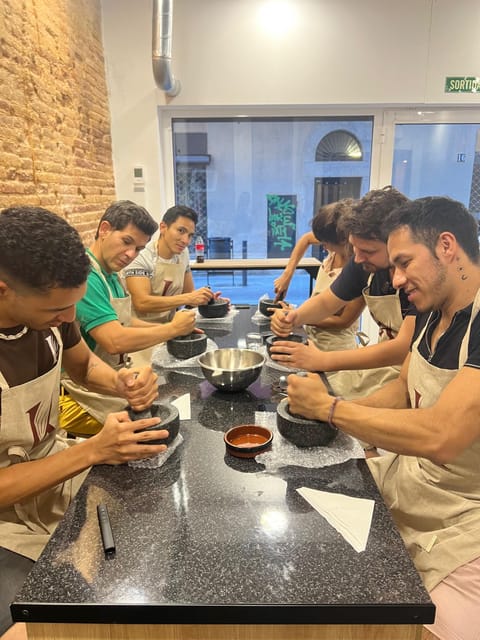
This workshop runs out of Local Kina Chocolates, in Catalonia, and that matters more than you might think. Instead of a big classroom vibe, you get a small artisan setup where the focus stays on process. The room feels built for tinkering—tools out, ingredients ready, and enough space for everyone to work without feeling rushed.
You’ll also notice the shop’s mindset: you’re not there only to taste. You’re there to learn how tasting makes sense. That’s the key shift in bean-to-bar experiences. Once you handle the raw stages—roasting, grinding, paste-making—chocolate tasting stops being vague and starts being specific.
In past sessions, the workshop leadership has included people like Oscar and Renée, and in some groups Franklin has led parts of the experience. Whoever’s guiding you, the common thread is clear: the session is built around teaching the full chain, not just one step.
You can also read our reviews of more drinking tours in Barcelona



The 2-hour flow: From cocoa pod to your take-home bar
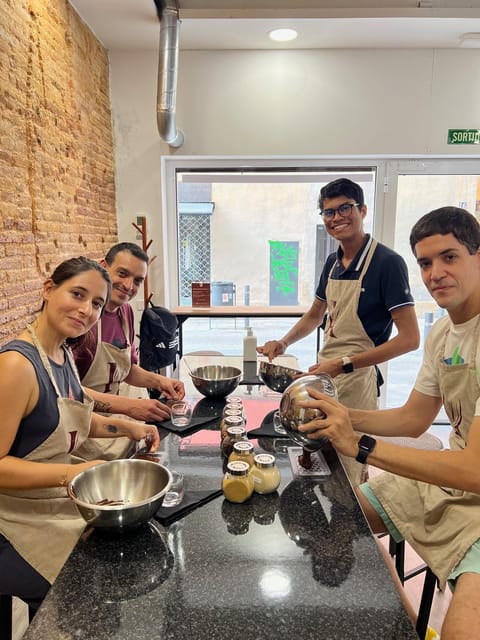
This is a straightforward, satisfying timeline. In about 2 hours, you move through the full arc from raw cocoa to a finished chocolate bar.
Here’s what you can expect, in plain order:
First, you’ll start with the raw material side of things. You get to observe a cocoa pod and learn what happens in the fields to obtain the cocoa beans. This isn’t just “cocoa is grown in warm places.” It’s the practical idea of how harvesting and processing affect the beans you’ll later roast and grind.
Then you get moving. You’ll handle the main chocolate-making stages yourself:
- Roast cocoa
- Peel cocoa beans
- Grind the beans
- Turn everything into your own cocoa paste
After that, the workshop shifts from purely “making” to tasting and applying. You’ll learn about chocolate’s history while also preparing various cocoa-based drinks. The goal is to show you that cocoa is a versatile ingredient—not only a bar on a supermarket shelf.
Finally, you arrive at the best payoff. You’ll make a chocolate bar to take home (one bar per participant). It’s a tangible result of the work you did, not a souvenir unrelated to what you made.
Roast, peel, grind: the hands-on part that makes it real
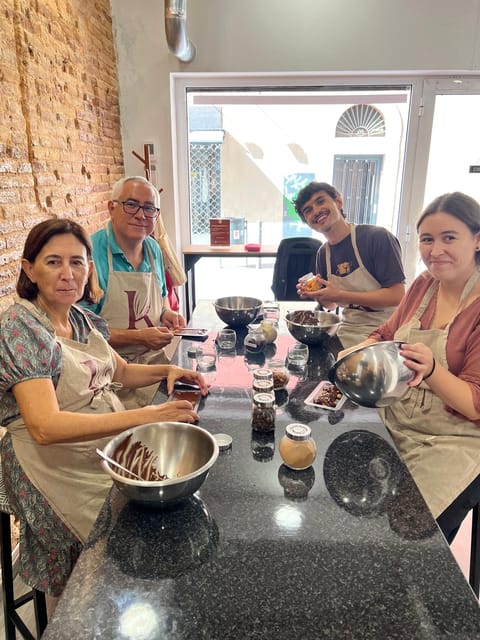
The step-by-step process is the heart of this workshop, and it’s exactly why it’s so popular. The most praised aspect is that it’s genuinely hands-on, with you doing the work rather than watching someone else do it.
Let’s break down why each stage is meaningful for you:
Roasting cocoa is where flavor starts to wake up. Even if you’re not a “science person,” you’ll see and taste the change that heat brings to the beans.
Peeling is slower and more fiddly than you’d expect. That’s part of the point. You’re learning why so many industrial shortcuts exist—and why bean-to-bar makers put effort into the quality chain.
Grinding turns “beans” into a paste you can work with. This stage helps you understand the difference between “chocolate” as a product and “cocoa processing” as a craft.
And once you have your cocoa paste, you’re no longer outside the process. You’re inside it. You can taste what you made and connect it to what you learned about farming, processing, and flavor.
One small reality check: cocoa work can feel a bit oily/greasy. Even with the apron and hat included, you may want to wear something you don’t mind if you get a tiny bit of cocoa dust or paste on your clothes.
Tasting and cocoa drinks: learning to taste by origin and by product
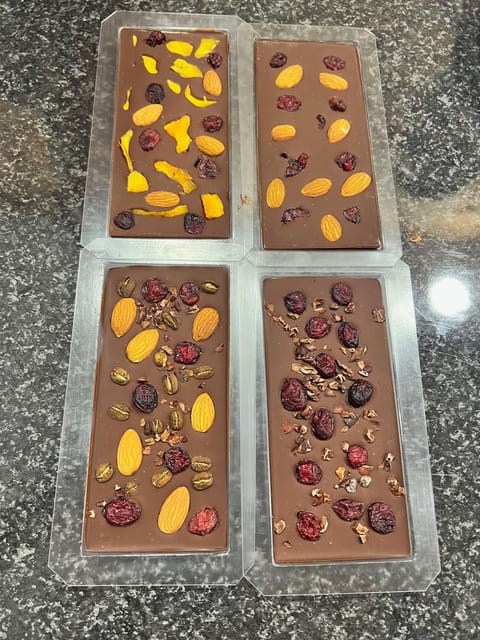
Chocolate workshops often stop at one bar and call it a day. This one adds tasting so you can compare, not just consume.
You’ll get to try different chocolate samples from beans linked to different climates. That’s a big education moment because it teaches you that “chocolate flavor” isn’t one thing—it’s the result of multiple variables upstream.
You’ll also prepare and sample cocoa-based drinks during the workshop. Some participants specifically mention trying more than one drink. For you, the value is that it broadens your idea of cocoa. Once you taste cocoa in drink form (not only in candy), you start noticing flavors and textures you might miss when you only eat bars.
If you like practical learning, this is a good workshop for you because the tasting is paired with what you’re doing. You’re not just sipping while someone talks. You’re making, then tasting, then making the next step make sense.
Bean-to-bar, explained in human terms (not just marketing)
After the hands-on stages and tasting, the session takes on the bigger picture: what “bean-to-bar” means and why it matters.
You’ll talk about bean-to-bar as a movement and learn how local cocoa-producing communities live, so you can appreciate the human labor behind what ends up in your hands. The focus here isn’t guilt. It’s context. Once you understand that cocoa is farmed and processed by people with real constraints, you’re less likely to treat chocolate as a generic snack.
You’ll also hear about traceability themes—where beans come from and why craft producers care about that chain. Several participants highlight that the workshop made them rethink how quality affects sweetness, additives, and overall chocolate style.
For you, this is the part that can change what you buy afterward. If you’ve only ever seen chocolate as “brands and bars,” the bean-to-bar perspective helps you start reading labels with more confidence: you learn what matters because you’ve seen the process.
You can also read our reviews of more tours and experiences in Barcelona


Who this workshop is best for (adults, teens, and chocolate skeptics)
This is designed for adults and teenagers, and it’s built as a small group experience with a limit of 8 participants. That small size is more than comfort—it improves learning. You can ask questions about roasting, grinding, and flavor, and you don’t feel like you’re competing for attention.
It also works well for families with older kids. Multiple people mention bringing younger teens and teens, and that the mix of hands-on work and tasting held attention.
If you’re traveling with a friend who thinks they’re “not a chocolate person,” this is still a strong choice. The workshop is interactive and process-heavy, so it’s not only about liking sweetness. It’s about doing the steps, tasting the results, and learning why the steps matter.
Practical tip: if you’re the type who gets bored with long talks, you’ll likely enjoy this one because the workshop alternates making, learning, and sampling.
Price and value: what $47 buys you in Barcelona
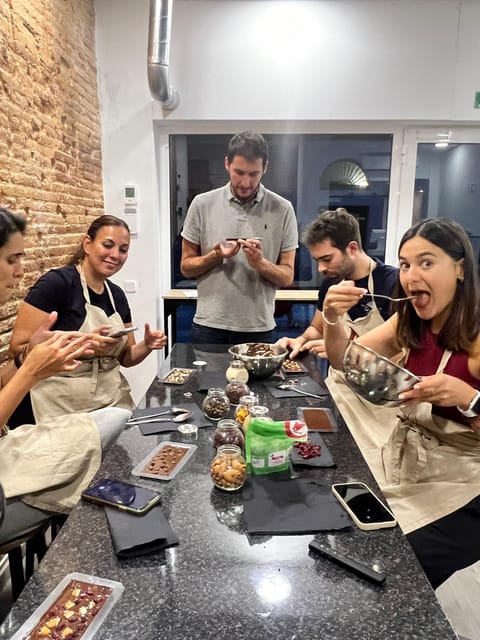
At $47 per person for 2 hours, this workshop isn’t a cheap “just eat chocolate” stop. But it’s also not overpriced for what you actually get.
Here’s what you’re paying for, in a concrete way:
- A true hands-on chocolate production session (not a demo)
- Materials and utensils, plus apron and hat
- Guided work through multiple stages: roast, peel, grind, cocoa paste, and bar shaping
- Tastings (including cocoa-based drinks and multiple samples)
- A certificate you can take home
- One chocolate bar made by you
If you’ve ever done classes where you watch someone else cook and you leave with little more than a souvenir, you’ll feel the difference here. Your time is structured around participation, so the price feels closer to a craft workshop than a themed snack.
What to know before you go (so the experience stays smooth)
This workshop is set up to be flexible, but you should plan a bit for comfort and safety.
- Allergies/intolerances: If you have allergies, tell the organizers so they can adapt the workshop. Don’t wait until the day of.
- Group size: With up to 8 people, you’ll likely get attention, but you still need to follow the lead guide’s pace during the making steps.
- Mess factor: Even with an apron, cocoa processing can be a bit greasy or dusty. Wear clothes you’re comfortable getting slightly stained.
- Language: The workshop runs with Spanish and English instruction, so check which session you’re booked into if language matters.
Should you book this bean-to-bar chocolate workshop in Barcelona?
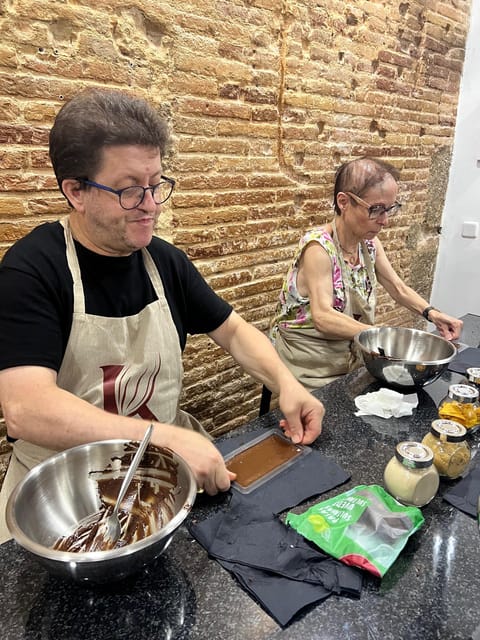
Book it if you want more than tasting. If you like learning with your hands—roasting, grinding, paste-making—and you want your chocolate experience to come with real context about cocoa and the bean-to-bar process, this is an easy yes.
Skip it if you’re looking for a quick, low-effort chocolate stop where you mostly sample without getting your hands involved. This workshop is built around doing. That’s the point, and it’s also the only real trade-off.
If you’re short on time in Barcelona, the 2-hour length is a sweet spot. You get a full arc from cocoa pod to your own bar without consuming a whole day.
FAQ
FAQ
How long is the bean-to-bar chocolate workshop?
It lasts 2 hours.
Where is the meeting point?
The meeting point is Local Kina Chocolates.
How much does it cost?
The price is $47 per person.
Is the workshop suitable for teenagers?
Yes. It’s described as a workshop for adults and teenagers.
How many people are in each group?
It’s a small group limited to 8 participants.
What languages is the instructor available in?
The instructor works in Spanish and English.
Can they adapt the workshop if I have allergies or intolerances?
Yes. You should let them know about allergies or intolerances so they can adapt the workshop.